Moroccan culture is emphatically child-friendly in a way that northern European travellers sometimes find startling. Children are welcome in restaurants at any hour, strangers will talk to them and to you, and a fractious toddler in a café produces sympathy rather than glares. Waiters will frequently take a baby off you and walk it around, which is either wonderful or alarming depending on your upbringing.
None of that is the hard part. The hard part is logistics.
The real constraint is driving distance
Morocco is large and the good things are far apart. Marrakech to Merzouga is around nine to ten hours by road. Fez to Chefchaouen is four. The classic southern loop involves several long days in a vehicle, and long days in a vehicle are where family trips go wrong.
The fix is to cut the itinerary in half and stay put longer. A week that covers Marrakech and the Ourika or Imlil valleys will be better than one that covers Marrakech, Ait Ben Haddou, the Dadès, Todra and the dunes. The second itinerary looks better on paper and is mostly the back of a headrest.
If you want the desert with children, fly to Errachidia or Ouarzazate rather than driving from Marrakech. It costs more and saves a day each way.
Ages
Under two. Easy in the sense that they do not care where they are, hard in that medina streets are unsuitable for a pushchair — uneven, stepped, crowded, and frequently blocked by a delivery mule. Bring a carrier, not a buggy. This is the single most useful piece of equipment advice on this page.
Three to seven. The sweet spot for the sensory side — souks, animals, tagines brought to the table with the lid on, and the constant novelty. Attention span limits sightseeing to a couple of hours before something has to be a reward.
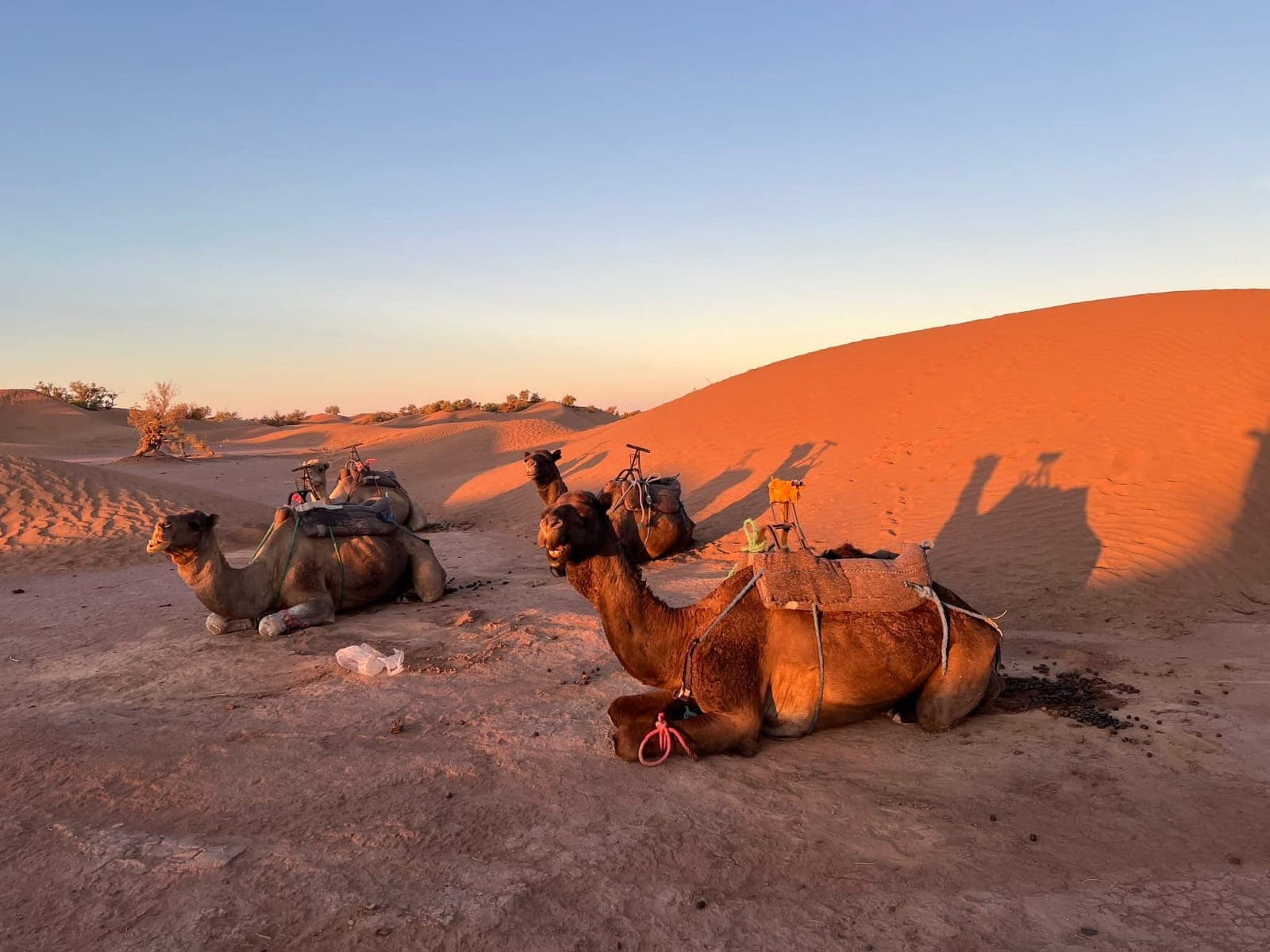
Eight and up. Old enough for a two-day Toubkal-area trek on the lower trails, a camel evening, cooking classes, and to actually remember it afterwards.
Heat
July and August in Marrakech and anywhere south is genuinely dangerous for small children — 45°C is not unusual. Do not plan a summer trip inland. The coast (Essaouira, Oualidia) stays much cooler and is the correct summer answer.
April to May and late September to October are the right windows.
Where to stay
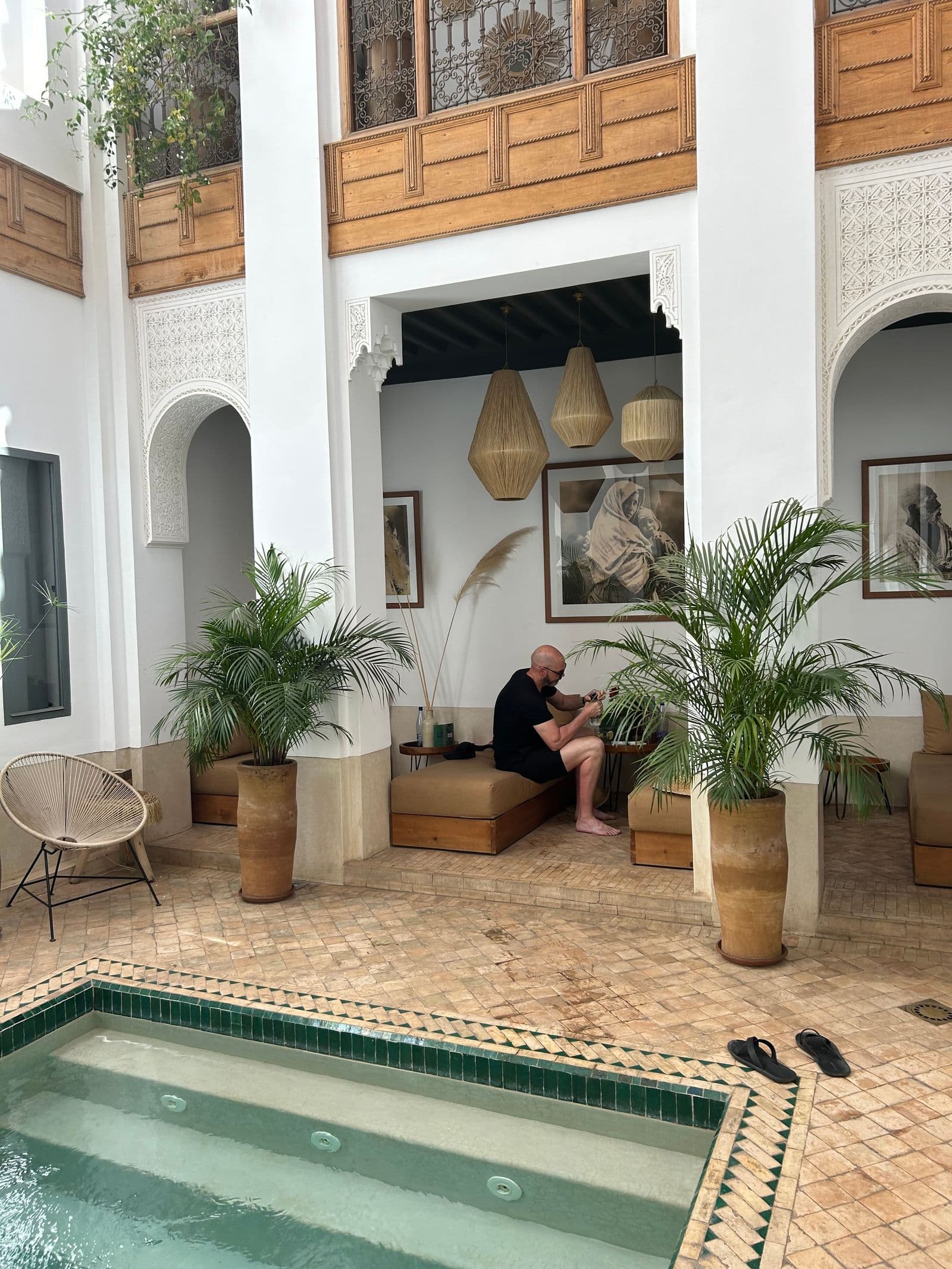
Riads are better than hotels for families, with one caveat: the courtyard is usually open and the stairs are often steep, tiled and without gates. Ask specifically. Many riads have family suites, and the enclosed courtyard is otherwise ideal — you can sit while children potter safely in view.
Pools matter more than you think. A riad with even a small plunge pool buys you the entire middle of the day.
Food
Tagines are mild, slow-cooked and go down well. Bread is everywhere and universally liked. Fresh orange juice is on every corner. Couscous on Friday is a genuine event.
For fussier eaters: omelettes, chicken skewers, and pasta exist. Nobody will be offended.
Tap water — stick to bottled for children.
Two specific recommendations
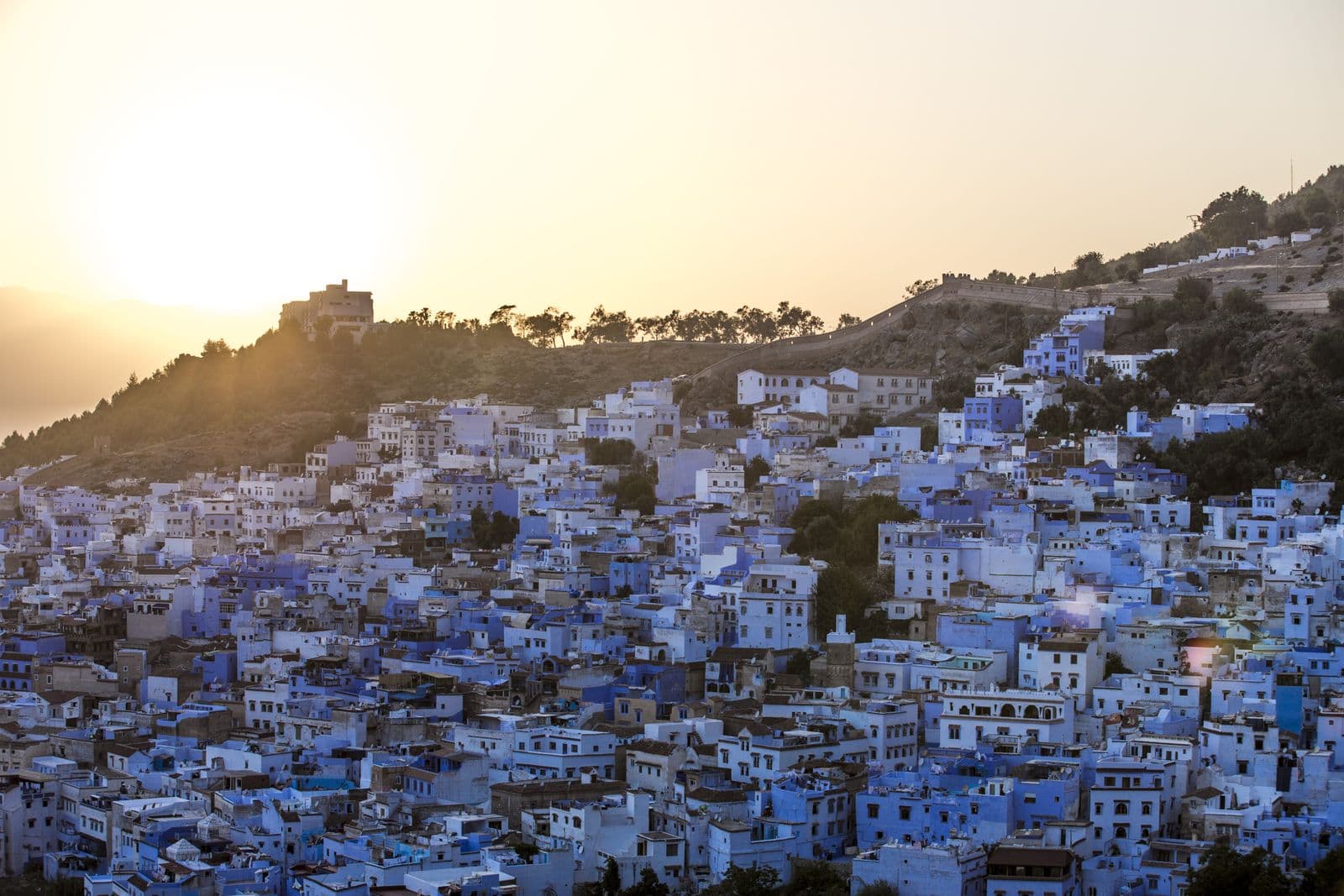
Chefchaouen works unusually well with kids. Small, walkable, visually astonishing, cats everywhere, and the whole town is essentially one long staircase with a view. Two nights.
Essaouira likewise — beach, wind, ramparts, fishing port, and a medina that is laid out on a grid and therefore navigable by an exhausted parent.
What to skip
Long medina shopping expeditions in Marrakech. Camel treks longer than an hour. Any day with more than four hours of driving. The tanneries in Fez, which smell exactly as bad as you have read and which no child has ever enjoyed.