Tourisme solidaire is the French term, and it has no clean English equivalent. "Responsible tourism" is close and softer. "Community tourism" is close and vaguer. The French phrase is more specific and more demanding: travel organised so that a measurable share of what you spend stays with the people whose place you came to see.
That is a low bar in principle and a surprisingly high one in practice. A seven-day trip through the High Atlas can route almost all of its money through Marrakech — the agency, the vehicle, the driver, the hotel group — and leave the valleys it photographed with the price of a few teas.
What it actually means
Solidarity tourism is not a category of holiday. It is a set of decisions about where money goes, made mostly before you arrive.
The guide is local and licensed. Not a driver from the city who knows the road, but someone from the region, certified at the national guide school at Tabant, who is paid a day rate rather than a cut.
The beds are village beds. A gîte d'étape in Aroumd or Aït Bougmez is owned by the family running it. The money stops there. A hotel of the same standard in Marrakech routes its margin to a company.
The food is bought where it is eaten. A trek that carries its vegetables from a Marrakech wholesaler is cheaper to run and worth less to the valley than one buying at the Asni Saturday souk.
The mules and their handlers come from the valley you started in. This sounds minor. It is often the largest single transfer of money to a village on the whole trip.
Why the mountains and the deep south specifically
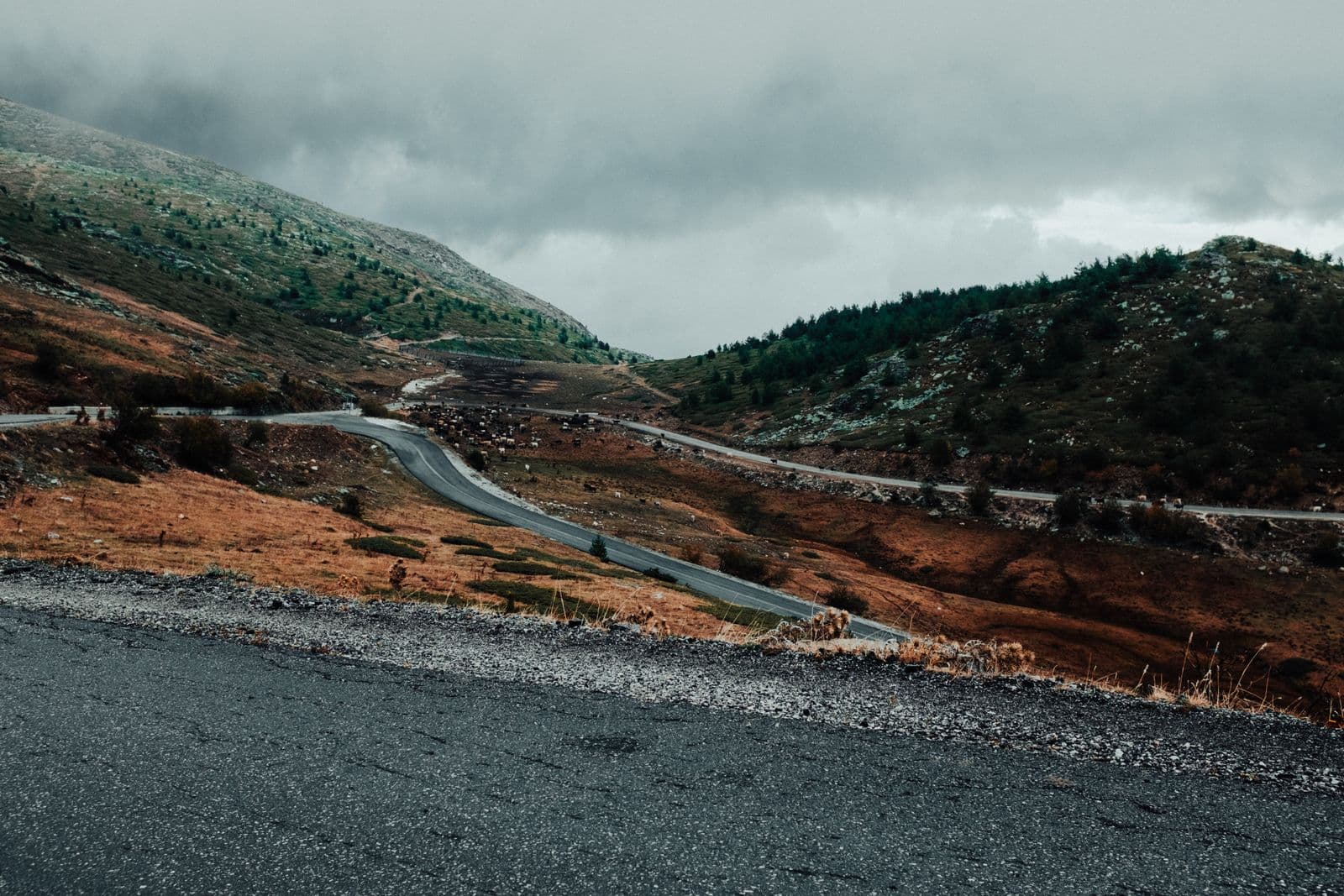
Morocco's tourism is geographically lopsided. Marrakech, Fès, Agadir and Essaouira take the overwhelming share. The High Atlas valleys, the Anti-Atlas and the pre-Saharan south see a fraction of it, and they are also where the alternatives to tourism income are thinnest — subsistence agriculture on terraced plots, seasonal migration, remittances.
This is why the same hundred euros does different work in different places. In Marrakech it is a rounding error in a large economy. In a village of forty households above Aït Bougmez it is a meaningful part of a season.
It is also why the isolated villages are where the ethical questions get harder, not easier. A place with no other income is a place with less power to say no.
What good practice looks like on the ground
Two nights minimum in a village. One night is a transaction. Two is a stay, and the difference shows in how you are treated and in what the household earns.
Eat what the house eats. Requesting a European menu in a valley kitchen turns a family dinner into catering and pushes the cost up while pushing the quality down.
Pay for the guide's day, not the guide's silence. A licensed mountain guide costs 600–800 dirham a day for the group. That figure is not negotiable downward without someone absorbing the difference, and it will not be the agency.
Buy at the cooperative, not the roadside. Argan cooperatives in the Souss that genuinely pay their members exist alongside shops that use the word. The test is whether you can see the work happening and whether prices are fixed and posted.
Ask before photographing, and accept a no. This costs nothing and is the single most common failure we see.
How to tell the real thing from the marketing
The phrase sells, so it is used loosely. Four questions separate operators quickly:
"How are your guides and muleteers paid — per day or per trip?" Day rates protect the worker when a trip runs long. Trip rates transfer that risk to them.
"Who owns the gîtes we sleep in?" A specific answer — a family name, a village — is a good sign. "Our partner properties" is not an answer.
"What proportion of the trip price stays in the region?" Nobody will give you an audited figure, and a serious operator will still have a number and a reasoning. Silence here is informative.
"What happens to this village if we stop coming?" The honest answer is uncomfortable and worth hearing. An operator who has thought about dependency has thought about the actual problem.
The limits, stated plainly
It would be dishonest to write this without the caveats.
Tourism is a fragile income. It collapses with a pandemic, an earthquake, a security incident anywhere in the region. A valley that has reorganised around visitors is exposed in a way a valley farming barley is not. Solidarity tourism does not solve this; it can deepen it.
Visitors change places. More money in a village is not neutral. It shifts what young people want, who has status, what gets built, what languages get learned. Some of that is welcome and some of it is loss, and it is not the visitor's call which is which.
The 2023 earthquake made this concrete. The Al Haouz quake struck exactly this geography — the villages above Marrakech that trekking depends on. Reconstruction is uneven and ongoing, and some of the valleys on the standard routes are still rebuilding. Coming back is materially useful there. Coming back and expecting it to look the way it did is not.
You are not the intervention. A well-run trip is a fair transaction, not a donation, and it is worth being clear-eyed that the good it does is bounded.
What we would actually book
A week that spends four of its nights above 1,500 metres, in village gîtes, with a guide from the valley and mules from the same village. Two days in Marrakech at either end because the logistics require it, not because the itinerary needs filling.
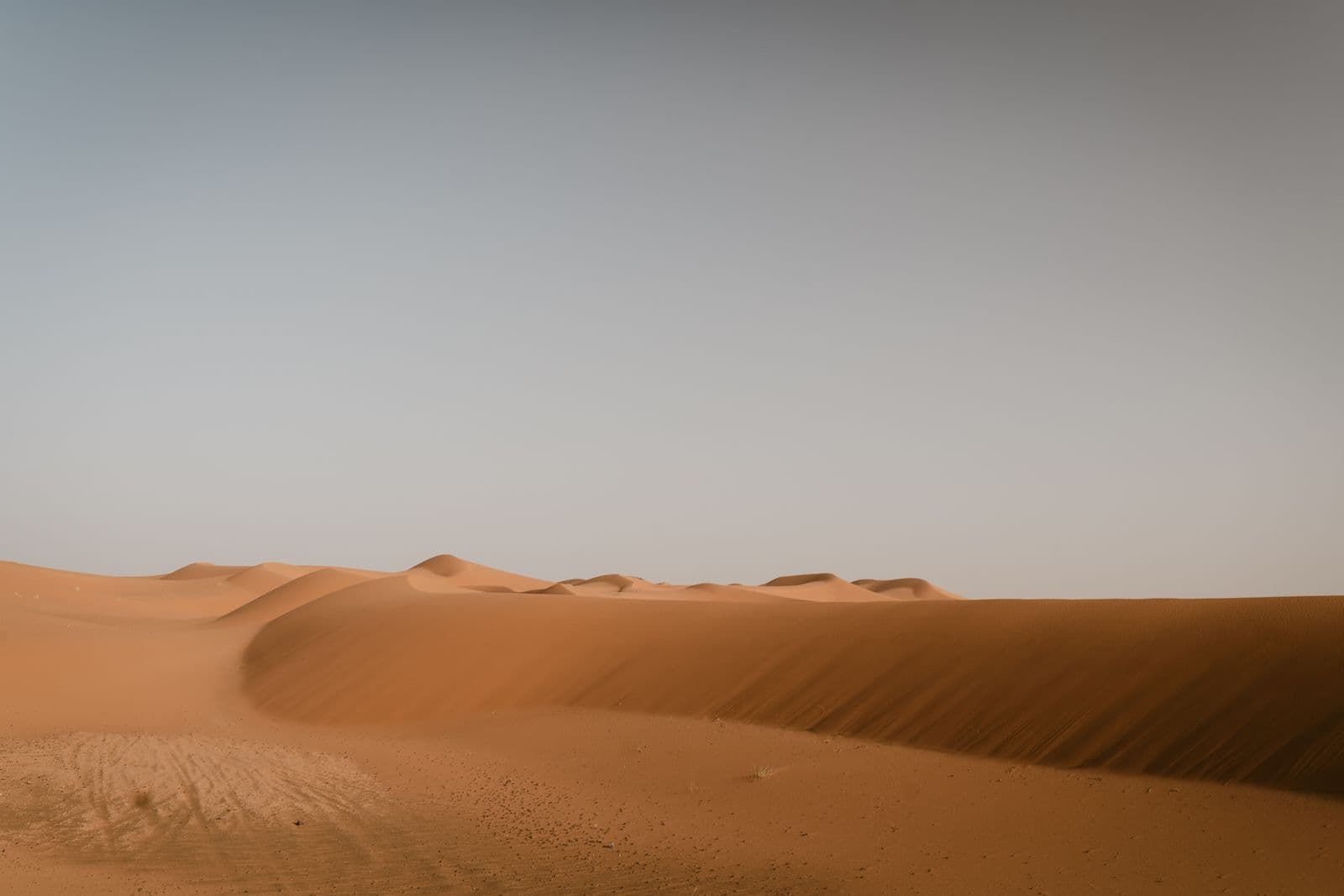
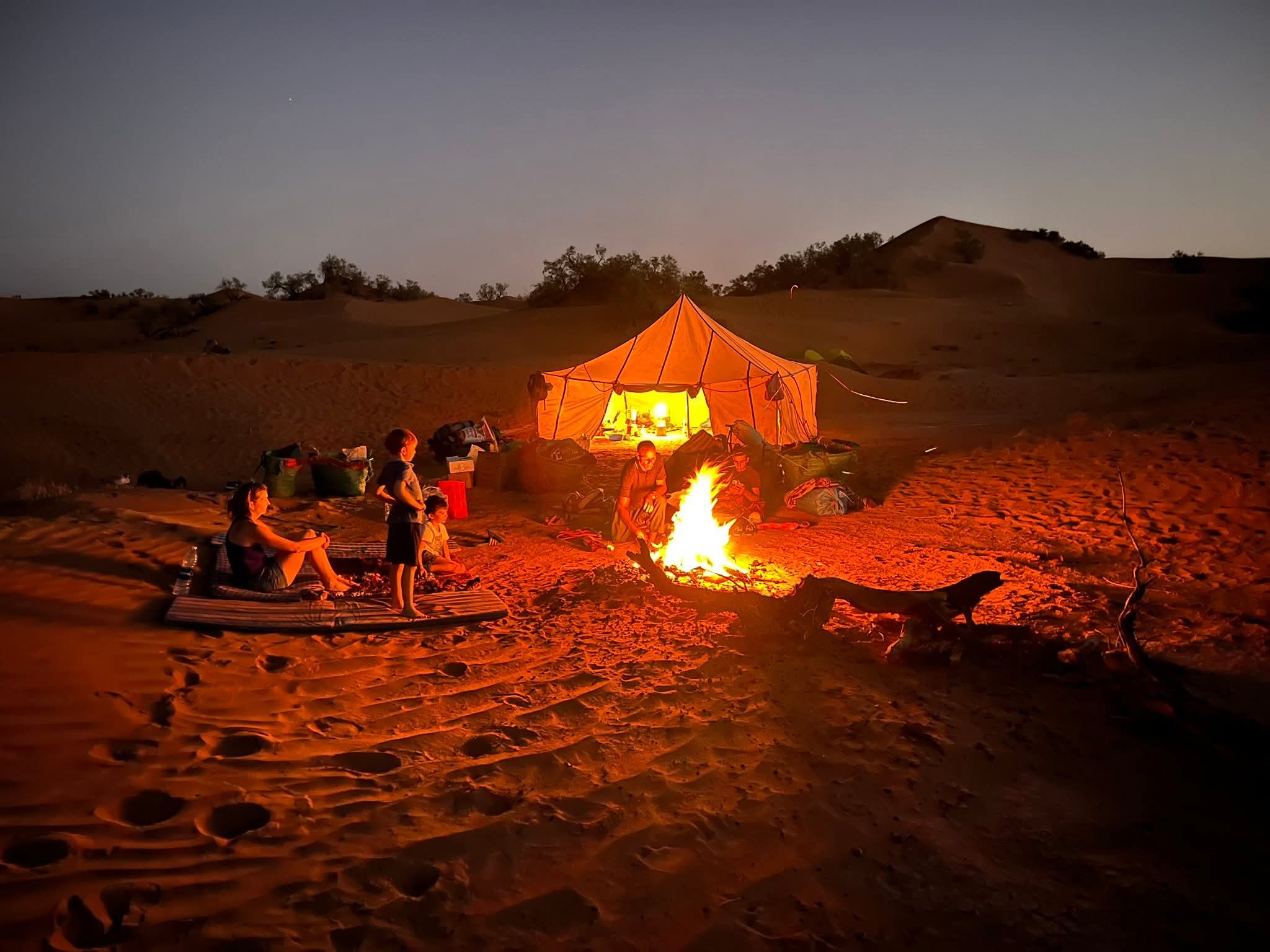
If the desert is in the plan, go with a guide whose family worked those routes and stay in a camp that employs from the nearest ksar rather than importing staff from the city for the season.
None of that is more expensive than the standard version. It is mostly the same money, routed differently — which is the entire point.