The honest answer to "when should I go to Morocco" is another question: what do you want to be doing when you get there? This is not evasion. Morocco runs from Mediterranean coast to Sahara and up to 4,167 metres in between, and those places do not share a climate. In the same week of August we have had guests wearing down jackets at 3,200 metres and other guests unable to leave an air-conditioned room in Marrakech at four in the afternoon.
So here is the calendar as we actually use it, rather than the one that says "spring and autumn are lovely" and leaves you to work out the rest.
The short version
Best all-round months: April, May, October. Warm but not punishing in the cities, snow largely gone from the trekking passes, desert nights comfortable rather than cold. If you have complete freedom and want to do a mix of everything, book one of these three and stop reading.
Best value: November and February. Genuinely good weather in the south, much lower prices, and the sites are quiet. February in particular is underrated.
Hardest months: July and August for anything involving a city or the desert, and January for anything involving altitude.
Spring: March to May
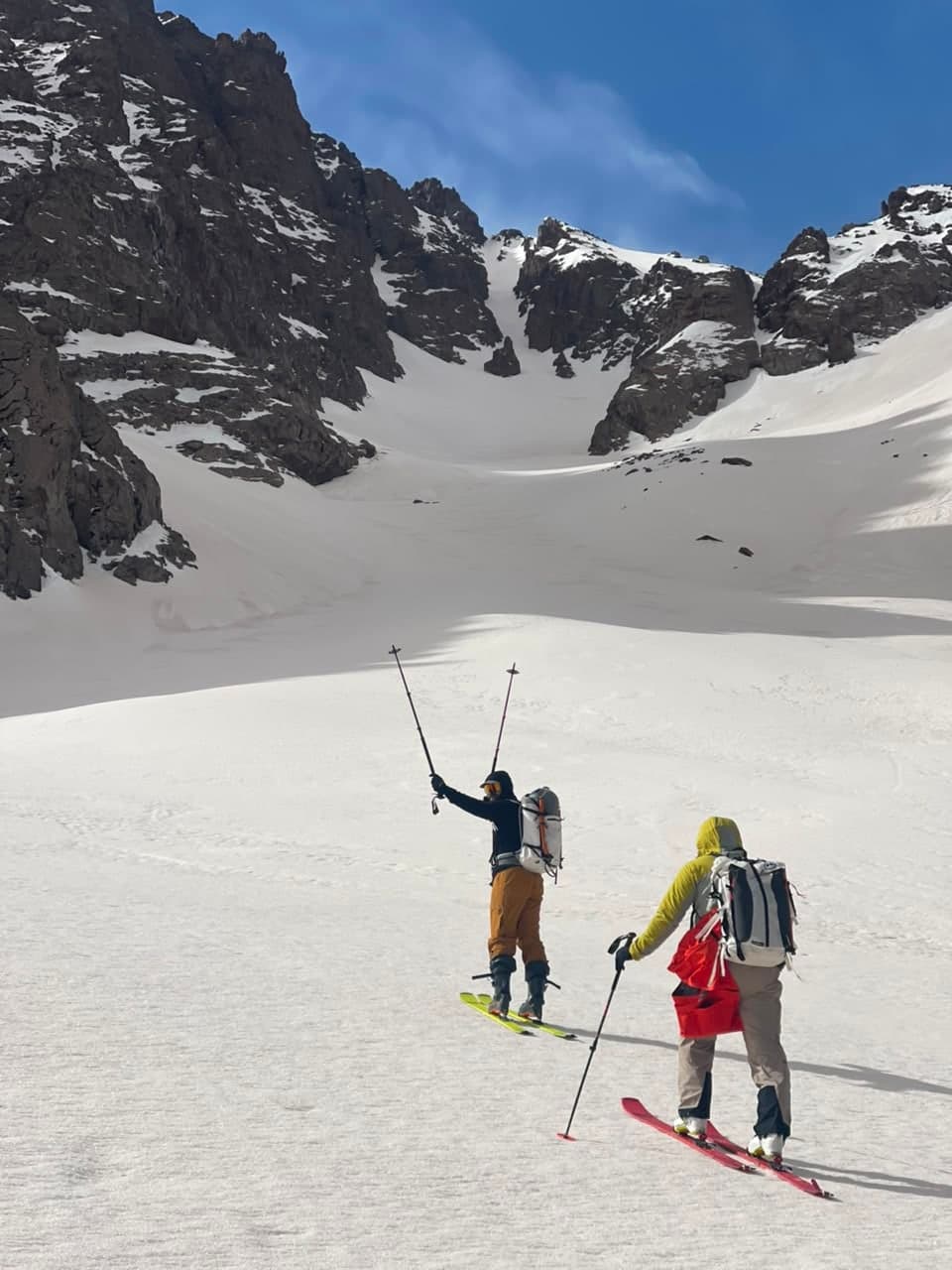
March is a gamble in the mountains and excellent everywhere else. The High Atlas still holds snow above roughly 3,000 metres, which is beautiful to look at from the valleys and a real technical consideration if you intend to go up. Toubkal in March generally still needs crampons and an ice axe.
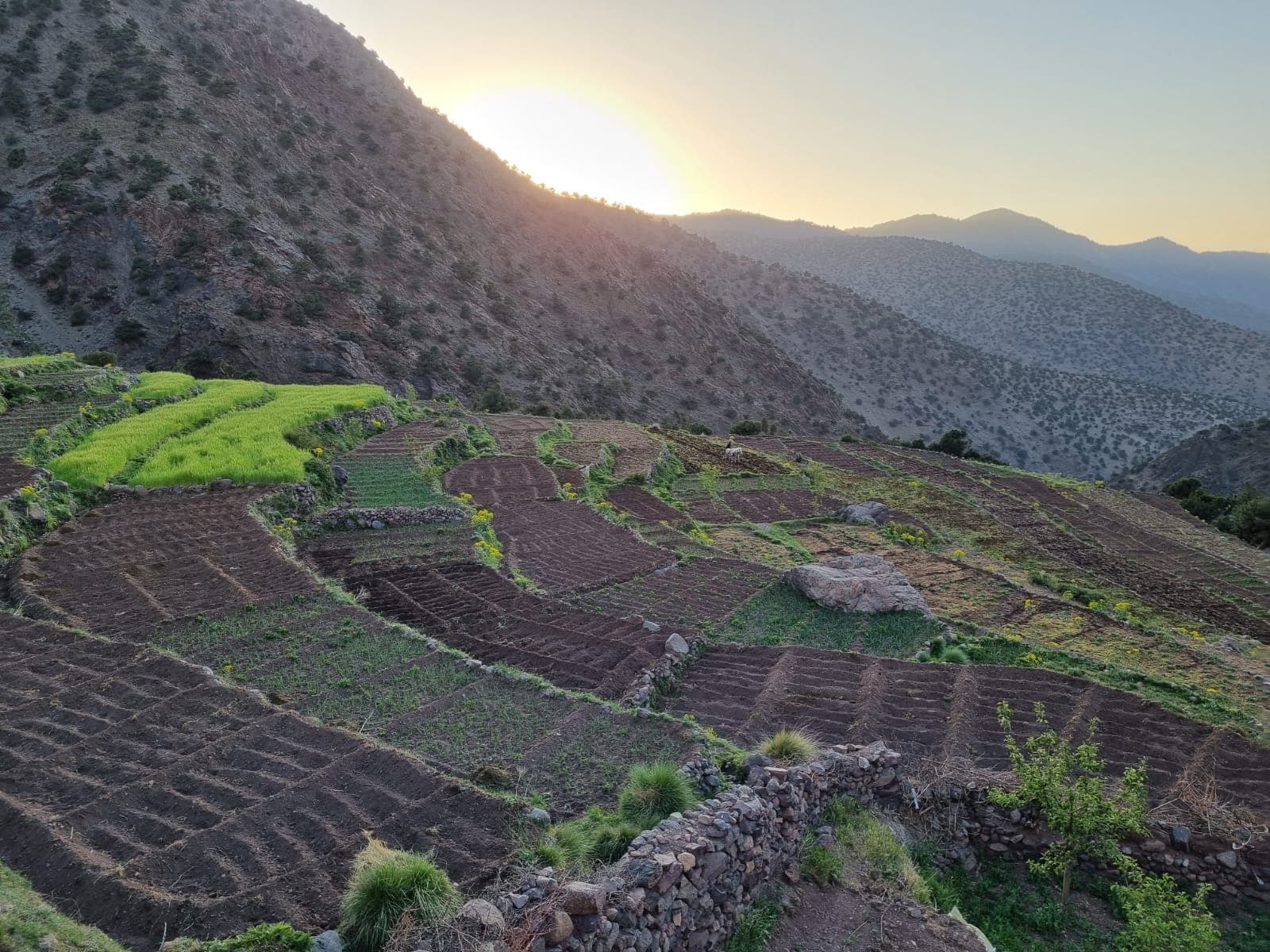
By April the valleys are as good as they get. The walnut and cherry trees come into leaf, the terraces above the villages turn a green you will not see at any other point in the year, and the snowline retreats to around 3,500 metres. Late April and May are our busiest guiding weeks for a reason.
The one spring risk is rain. It is not frequent, but when it comes it can be heavy, and dry riverbeds in the south fill fast. If your itinerary crosses a wadi, that matters more than the forecast temperature.
Summer: June to August
Marrakech, Fez and Marrakech-adjacent day trips in July and August are genuinely difficult. Daytime highs of 43–45°C are normal, and it is not the dry-heat-is-fine kind of hot; it is the kind where the medina becomes unpleasant from eleven until five and your holiday quietly reorganises itself around shade.
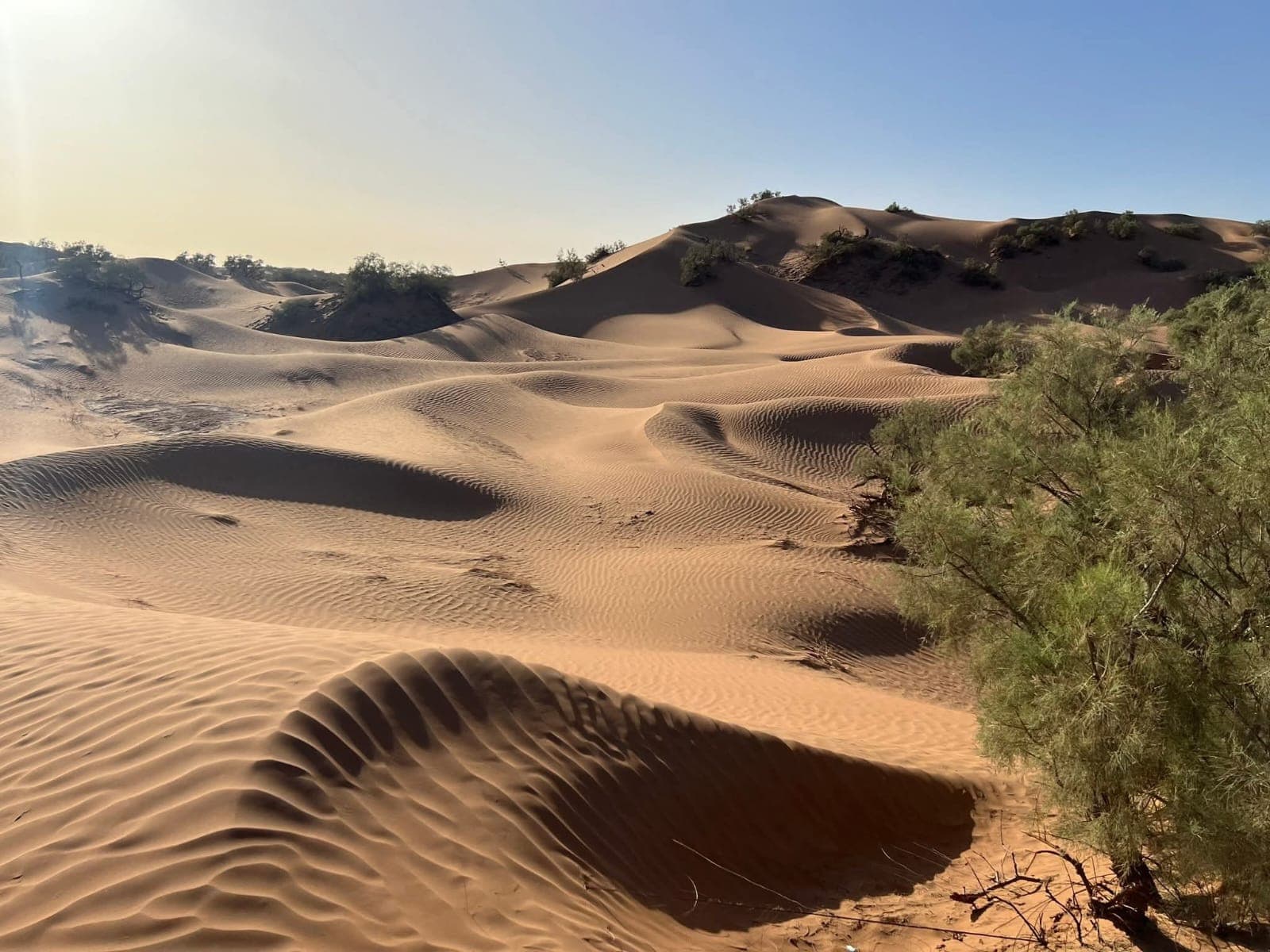
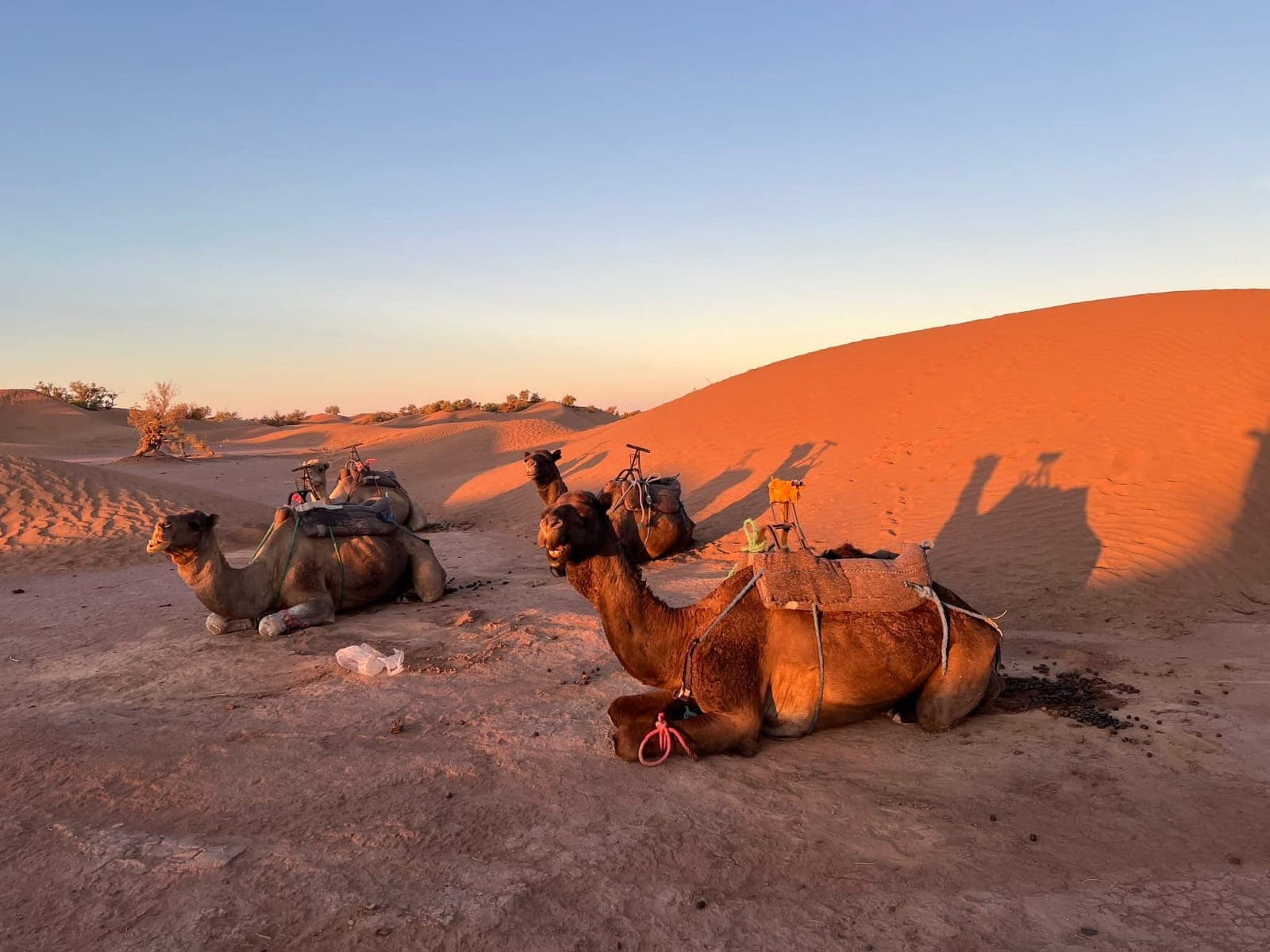
The desert is worse. Merzouga and Erg Chigaga in midsummer can exceed 48°C, and a night in a bivouac when the sand has been absorbing that all day is not the star-filled romance the photographs promise. We steer people away from Saharan overnights in July and August unless they are experienced with real heat.
But summer is the only season for high-altitude trekking. The M'Goun traverse, the Toubkal circuit, the long routes over 3,500 metres — these need July, August and early September, when the passes are clear and the nights at altitude are merely cold rather than dangerous. It is also when the Atlantic coast comes into its own: Essaouira sits at around 24°C while Marrakech bakes three hours inland.
The summer strategy is therefore simple: go high, or go to the coast. Do not linger in the plains.
Autumn: September to November
September is summer with the edge taken off. By the second half of the month the cities become pleasant again, the desert is back on the menu, and the mountains still have their summer access. If you want the widest possible range of options in a single trip, late September and early October is the sweet spot.
October is our other peak month, and it is peak for everyone else too — expect to book riads and desert camps well ahead.
November is the quiet secret. Daytime temperatures in Marrakech settle around 22–24°C, the light gets low and long, and prices drop noticeably. Nights in the desert turn genuinely cold, which surprises people; a bivouac in November wants a proper sleeping bag, not a blanket.
Winter: December to February
Winter splits the country in two.
In the north and in the mountains it is cold and often wet. Chefchaouen and the Rif get real rain. Passes over the High Atlas — the Tizi n'Tichka in particular — close for a day or two after heavy snowfall, which can strand an itinerary that depended on crossing.
In the south, though, winter is excellent. The desert in December and January has warm, clear days around 18–20°C and hard, cold nights that fall close to freezing. The Anti-Atlas and the Agadir hinterland are at their best. Almond blossom starts in the Ameln valley around late January and runs into February, and it is one of the genuinely beautiful sights in Morocco that almost no tourists see.
Toubkal in winter becomes a mountaineering objective rather than a walk. That is not a warning against it — winter ascents are some of the best days we guide — but it requires crampons, an axe, and the knowledge to use both.
Ramadan
Ramadan moves roughly eleven days earlier each year. Travelling during it is entirely possible and in some ways rewarding: the evenings are extraordinary, and the ftour meal that breaks the fast is a real experience if you are invited to one. But daytime restaurant service outside tourist areas thins out, some sites shorten their hours, and drivers and guides are fasting, which is worth being thoughtful about when you plan a fourteen-hour day. Check the dates before you book and adjust expectations rather than avoiding it.
What we would actually book
If you want cities and culture: October, then April, then November.
If you want the Sahara: mid-October to mid-March, and take the shoulder months over the depths of winter if you feel the cold.
If you want to walk high: July to mid-September, no substitutes.
If you want value and do not mind planning around the weather: February in the south. It is the month we recommend most often and the one people are most surprised by.