What Everything Costs, Part 2: Desert, Cities and Culture
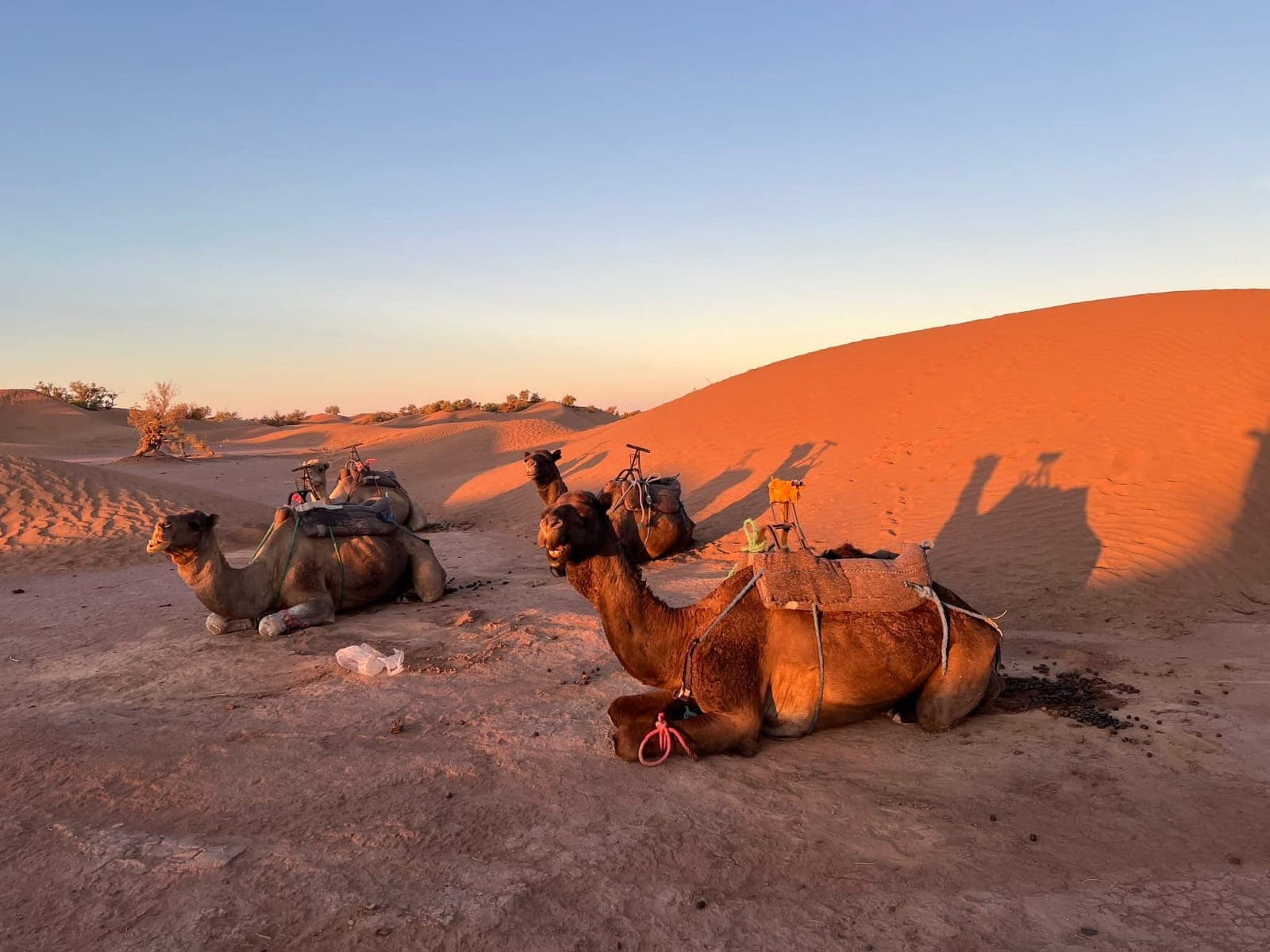
Sahara tours, camel treks, 4×4 raids, cooking classes, hammams, guides and transfers — real prices in dirham and euro, with the per-vehicle logic that makes desert pricing work differently.

Sahara tours, camel treks, 4×4 raids, cooking classes, hammams, guides and transfers — real prices in dirham and euro, with the per-vehicle logic that makes desert pricing work differently.

Trekking, Toubkal, ski touring, mountain biking and the Atlas day trips — real prices in dirham and euro, how long each takes, and what is genuinely included.

Ourika, Imlil, Ouirgane or Asni — four very different days sold under one name. Which valley suits which kind of visitor, and how to avoid the waterfall coach crush.

There is no single best month — there is a best month for what you actually want to do. Marrakech in August and the High Atlas in August are two different countries. A working calendar from people who guide in all twelve.

Five, seven, ten or fourteen — what each length actually reaches, and the specific point at which adding a destination starts subtracting from the trip.

Violent crime against visitors is rare. Persistent hassle, misdirection and overcharging are not. The honest distinction between danger and annoyance, and what actually goes wrong.

Retreats sell stillness; the Sahara gives it away. Where in Morocco you can genuinely hear nothing, what the hammam and Sufi traditions offer, and how to build a contemplative trip without booking a package.

Why it is poured from height, why there are three glasses, why refusing is harder than it looks — and how a Chinese import became the central gesture of Moroccan hospitality.

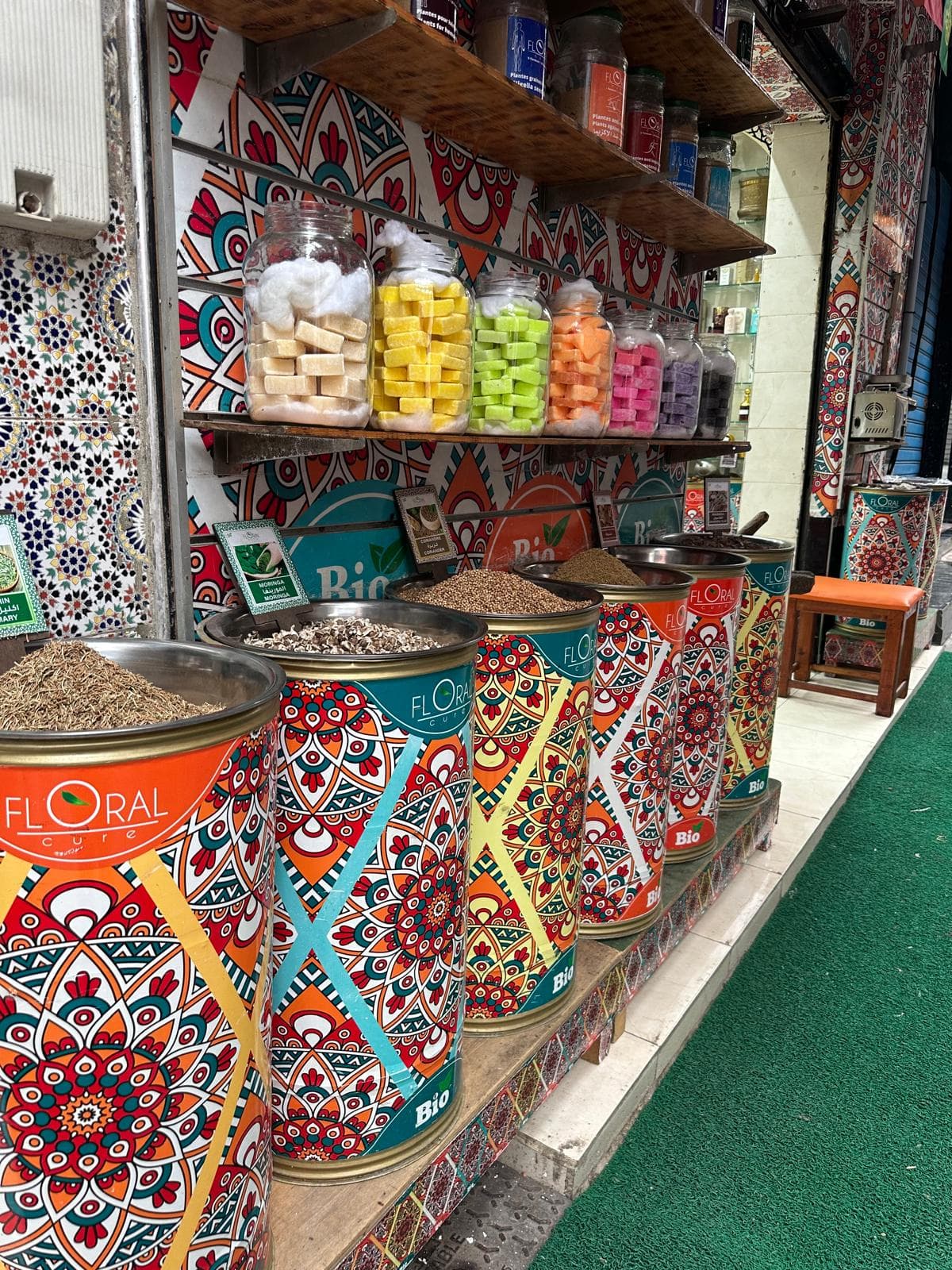
The good classes start in the souk with an empty basket. What to look for when booking, what you should actually learn, and how to buy spices, argan oil and preserved lemons without being sold the tourist grade.

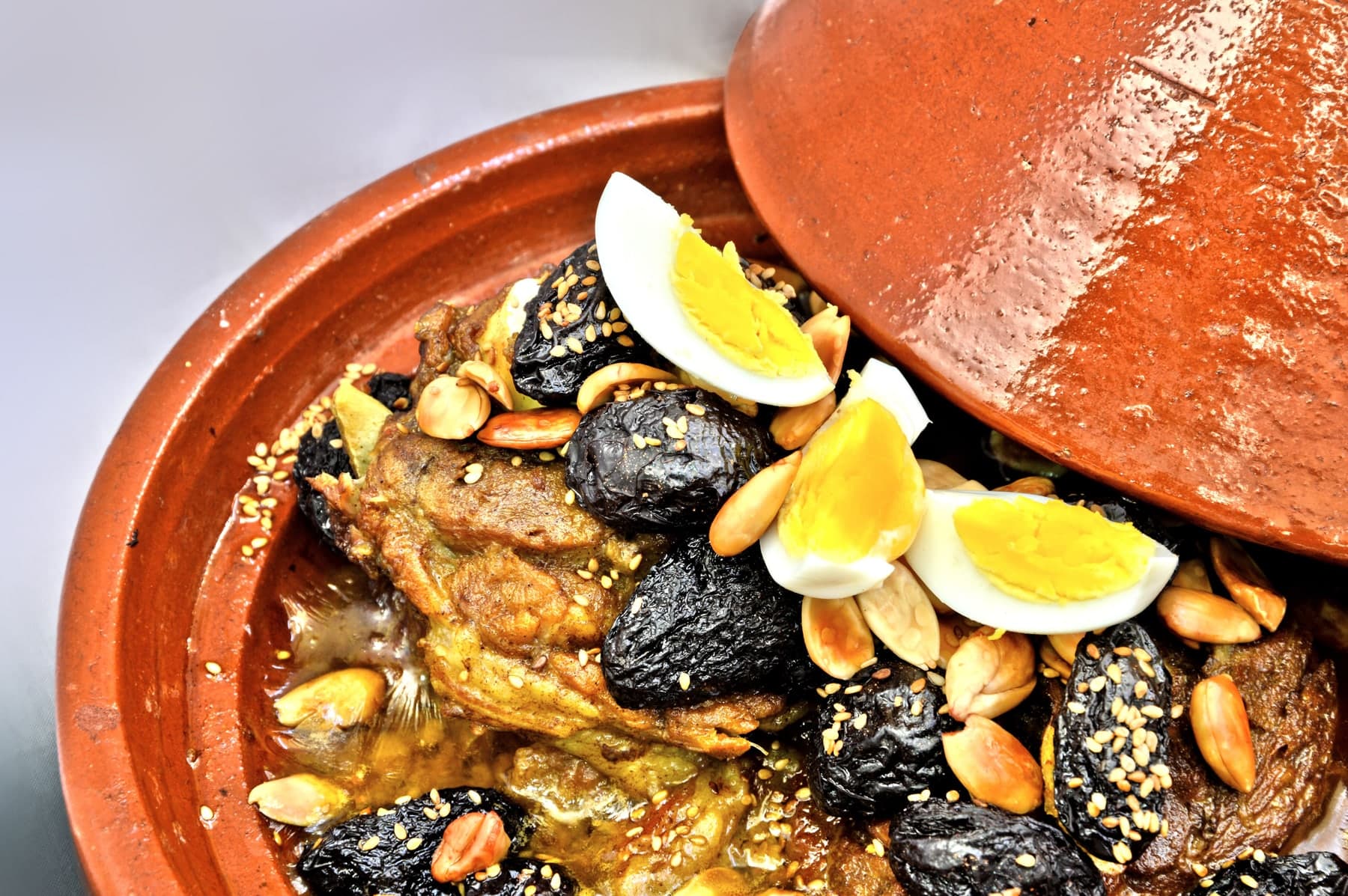
A Fez tagine and a Marrakech tagine are different dishes. The regional map of Moroccan cooking — Fassi refinement, Marrakchi smoke, Souss argan, Rif mountain food and the Saharan bread baked in sand.
Beyond tagine and couscous. The dishes worth seeking out, the ones that only exist for tourists, and the Friday-and-Ramadan rhythms that decide what is actually cooking.

One week, honestly assessed. The classic Marrakech–Sahara–Atlas loop, what it costs you in driving hours, and the three ways people ruin a seven-day trip by adding one city too many.

A packing list built around the actual problem: one trip that may include a 45°C medina, a 4,000-metre summit and a desert night near freezing. What earns its place in the bag.

Real numbers in dirham: riads, meals, guides, transfers and desert camps at three budget levels — plus where the money quietly leaks out of a trip.

Toubkal, the M'Goun traverse, the Anti-Atlas, the Sahara and Jebel Saghro compared honestly — by days, altitude, difficulty and what each one is actually like underfoot.

Where a guide is legally required, where it changes the trip completely, and where it is money you could spend on something else. An operator's honest accounting.

Not a desert excursion with a driver — a multi-day convoy crossing the ergs on piste, navigating by GPS and roadbook. Routes, vehicles, sand technique, permits and what it actually costs.

The most-booked trip in Morocco, and the one most often booked wrong. What each duration actually buys you in dune time versus road time, and why the two-day version is a mistake.
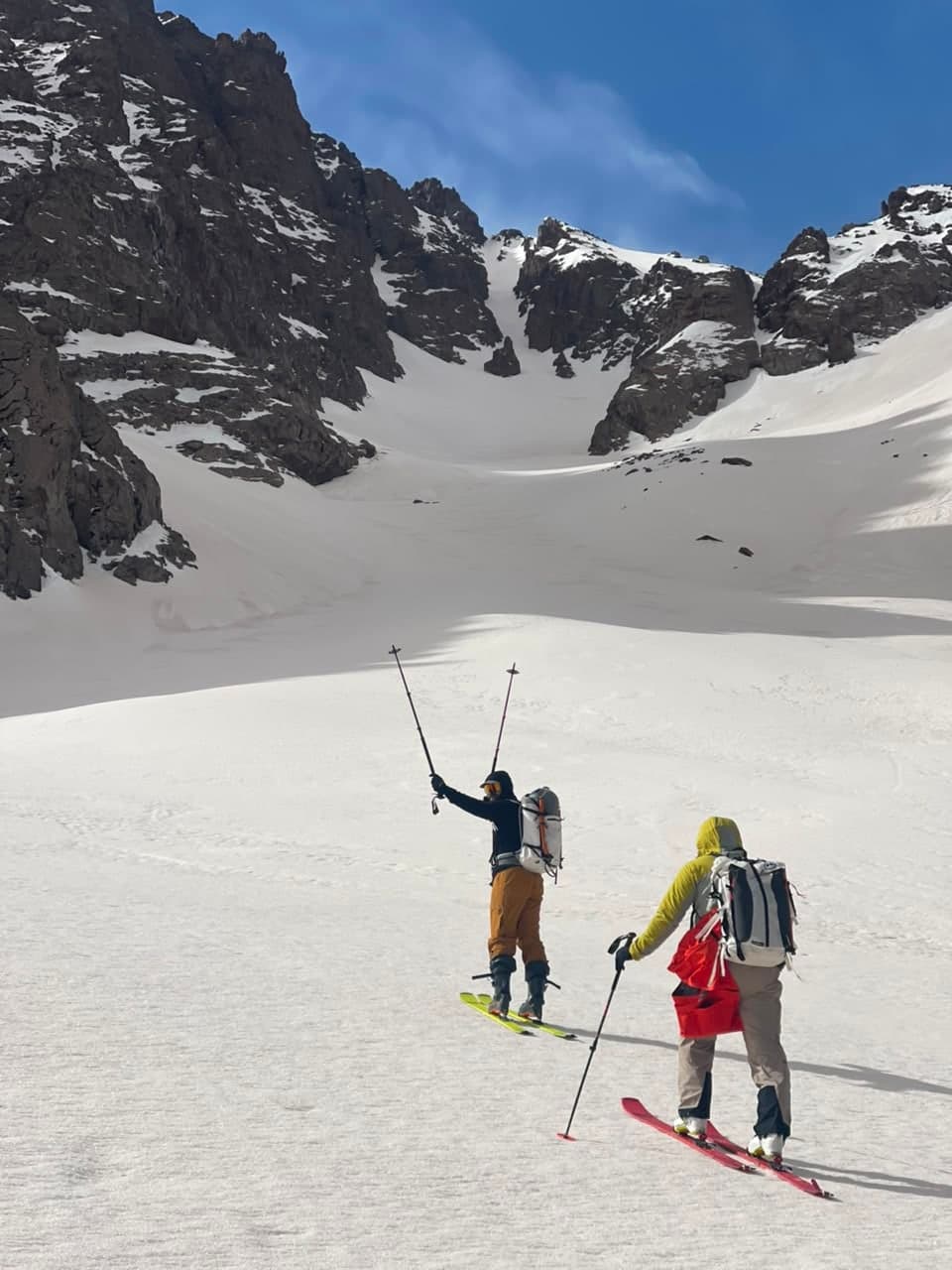
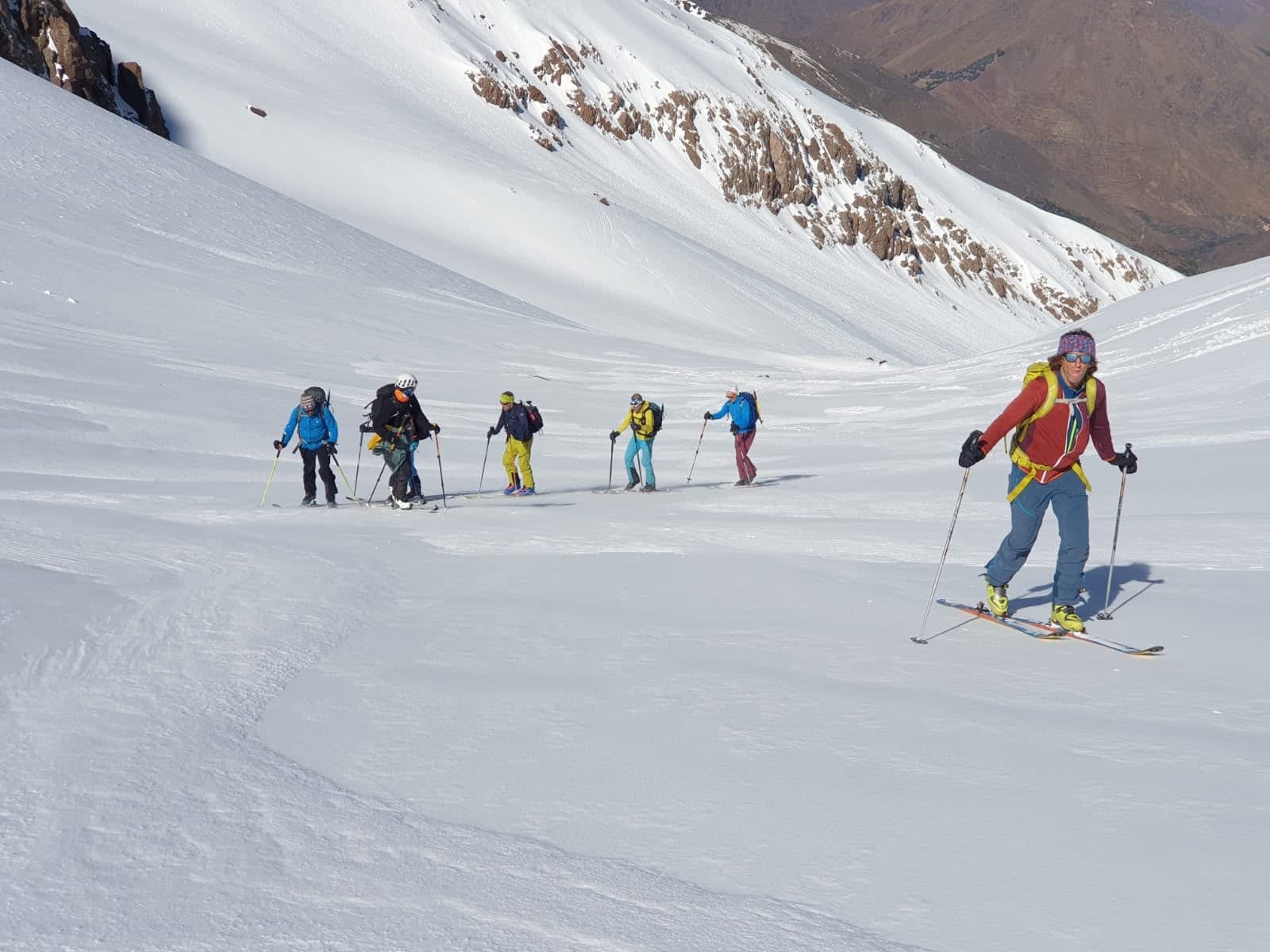
Skinning up 4,000-metre peaks with the Sahara on the horizon. The season, the routes off Toubkal and Oukaimeden, avalanche reality, what to bring, and why Morocco is the most underrated touring country in reach of Europe.

The full list is long and half of it is filler. What genuinely rewards your time in the medina, what to skip, and what to do in the evening when the square turns over.

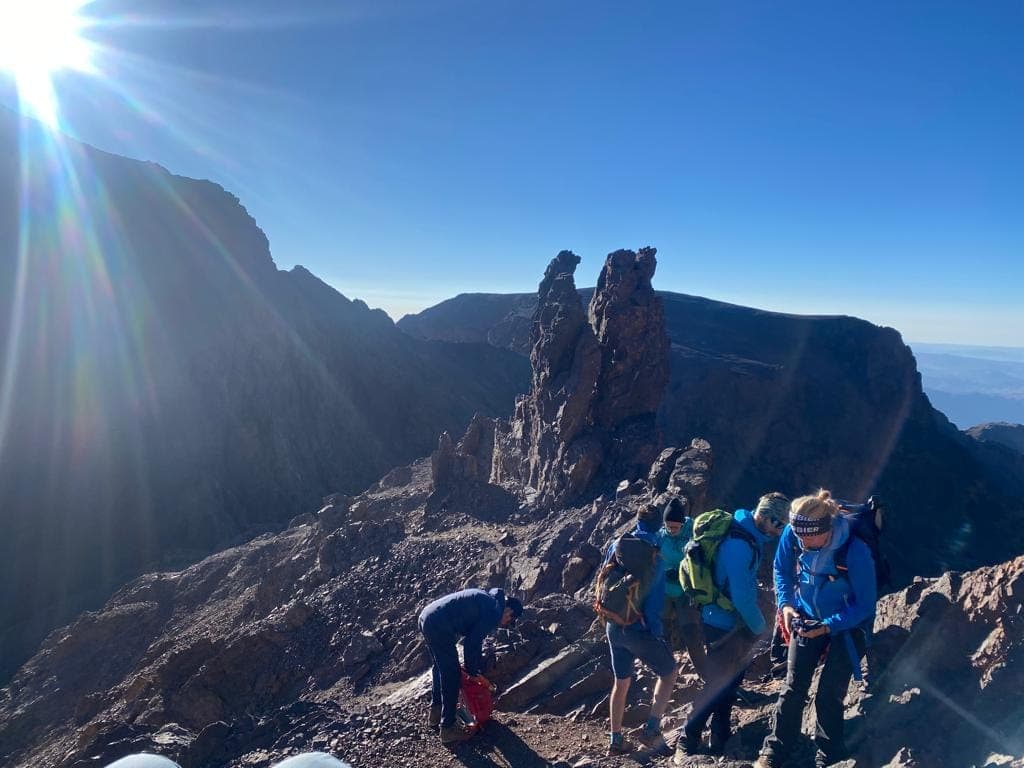
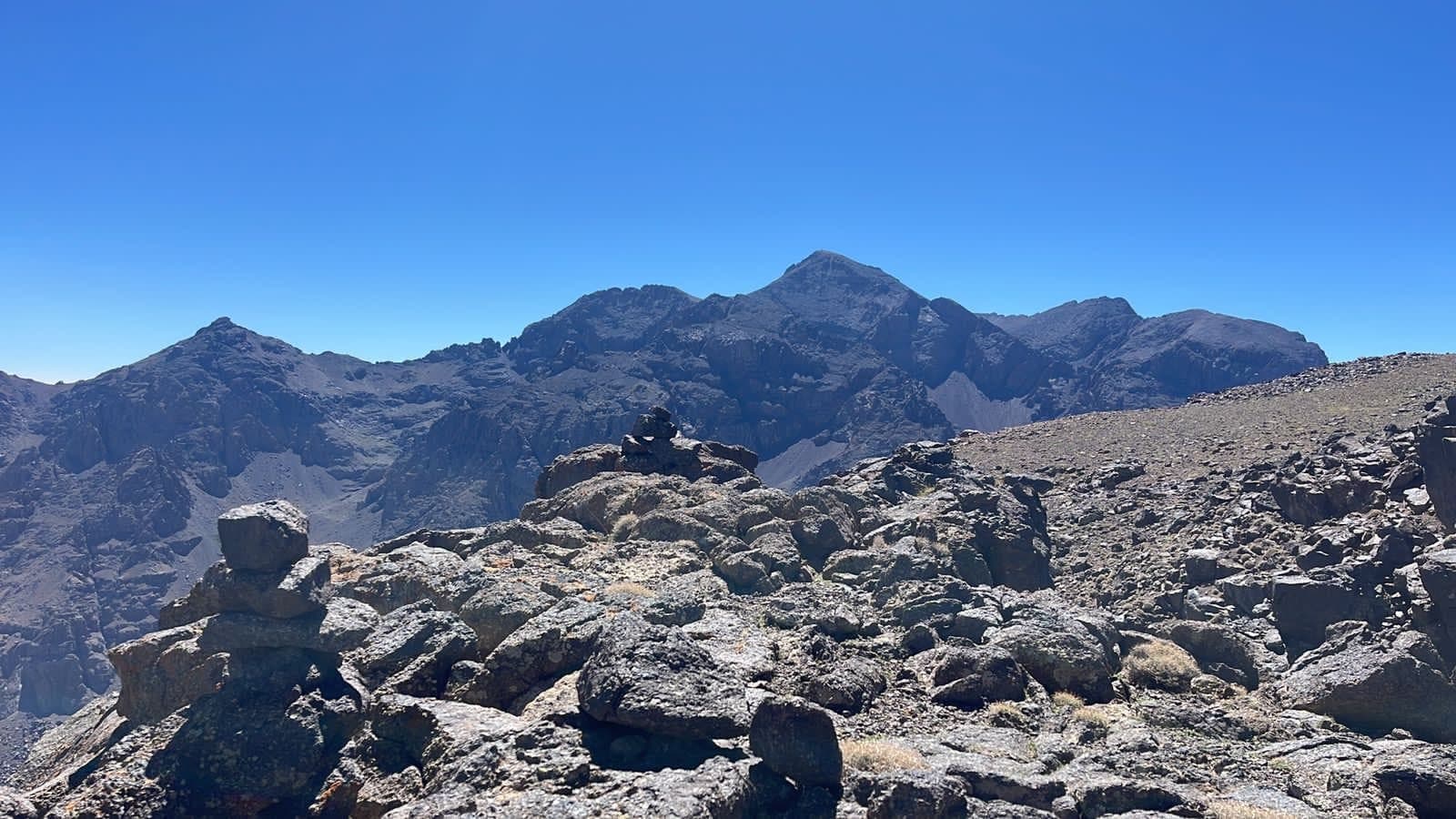
North Africa's highest peak is a walk, not a climb — but at 4,167 metres it is a walk that punishes anyone who treats it casually. Seasons, the refuge, the guide rule, and the altitude.

A hundred metres shorter than Toubkal and a fraction as busy. Six days from the Happy Valley over a 4,068-metre summit, through gorges you wade rather than walk.

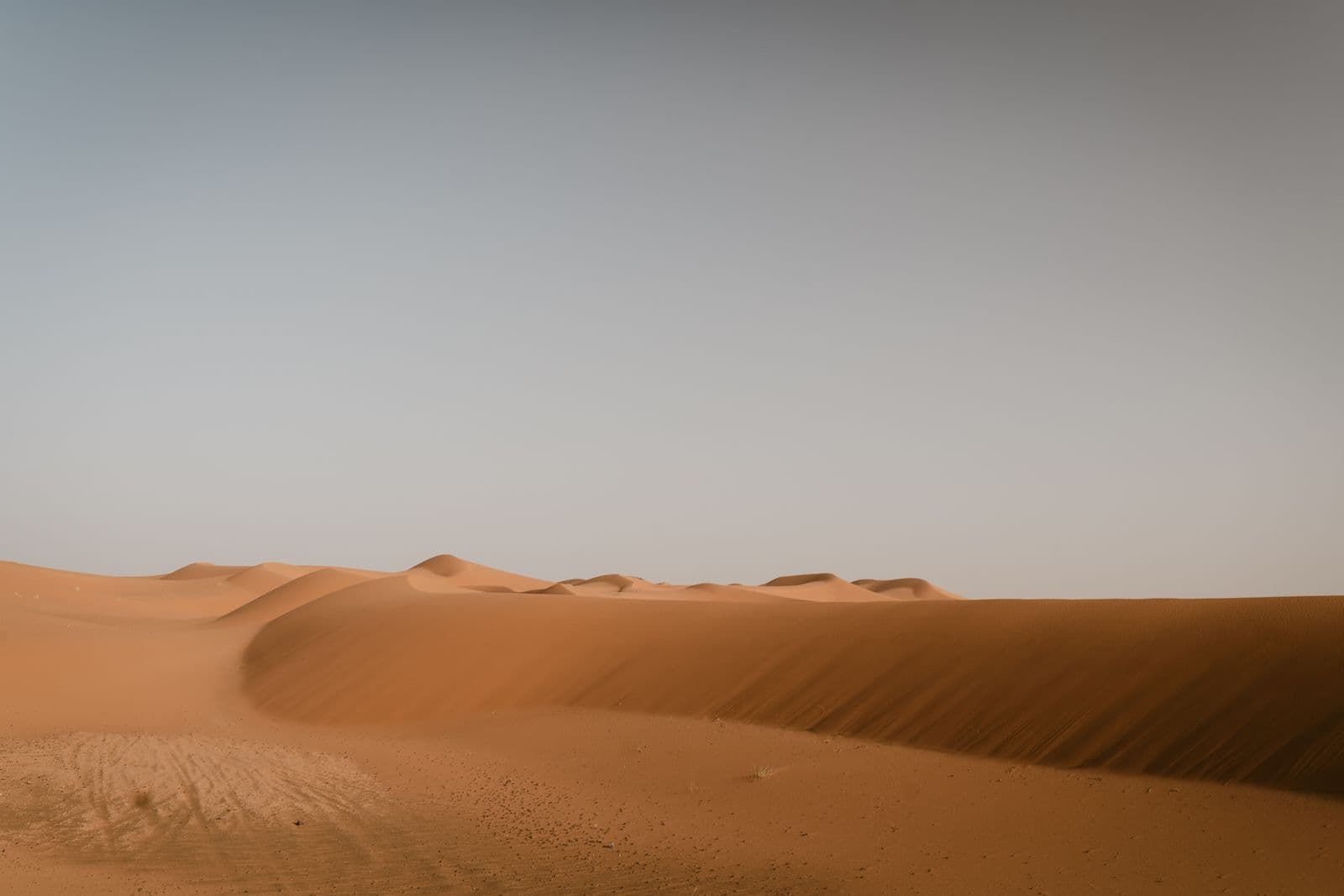
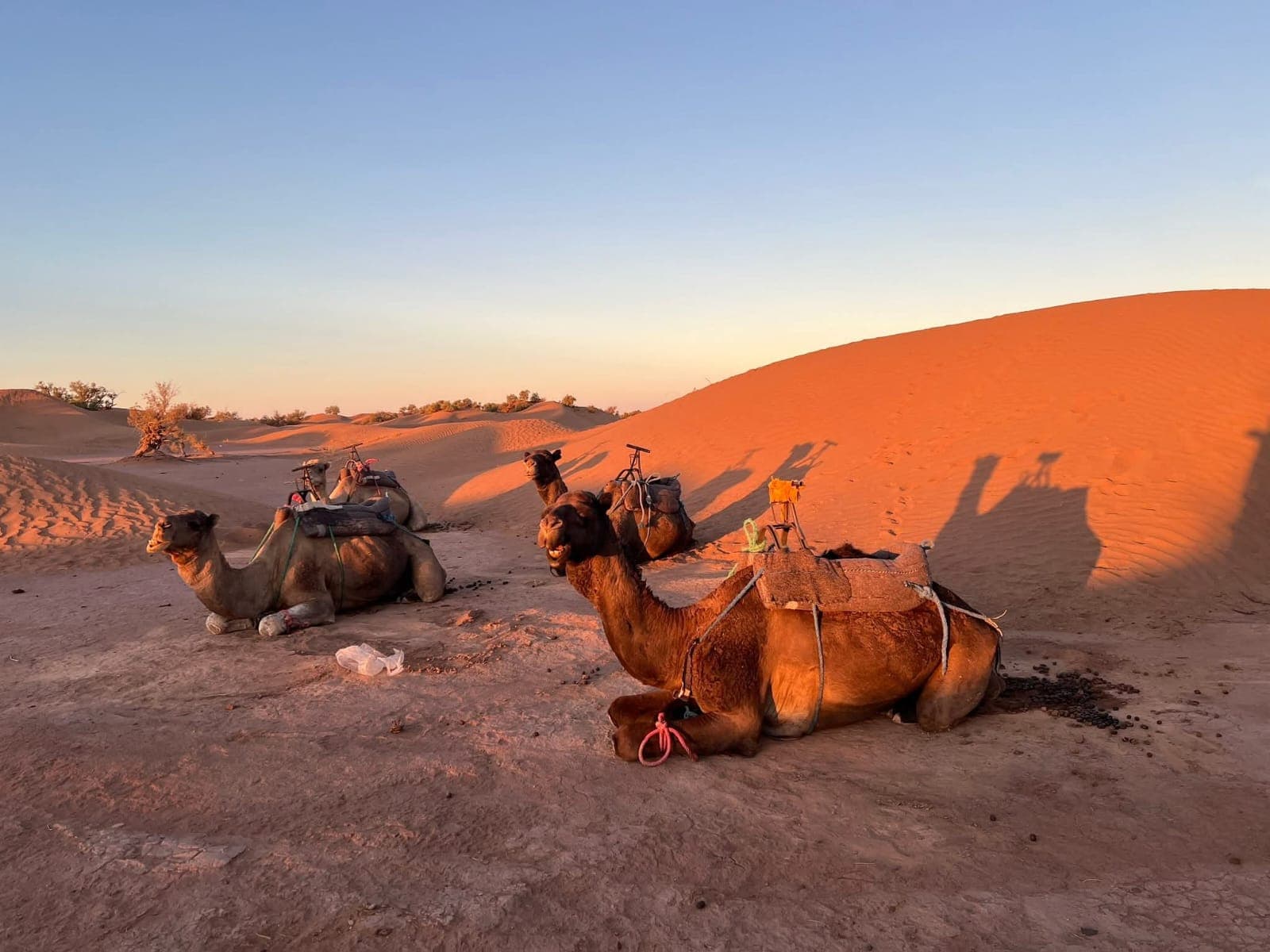
Morocco has two great sand seas and they offer genuinely different trips. One you drive to on tarmac; the other costs you sixty kilometres of off-piste to reach.

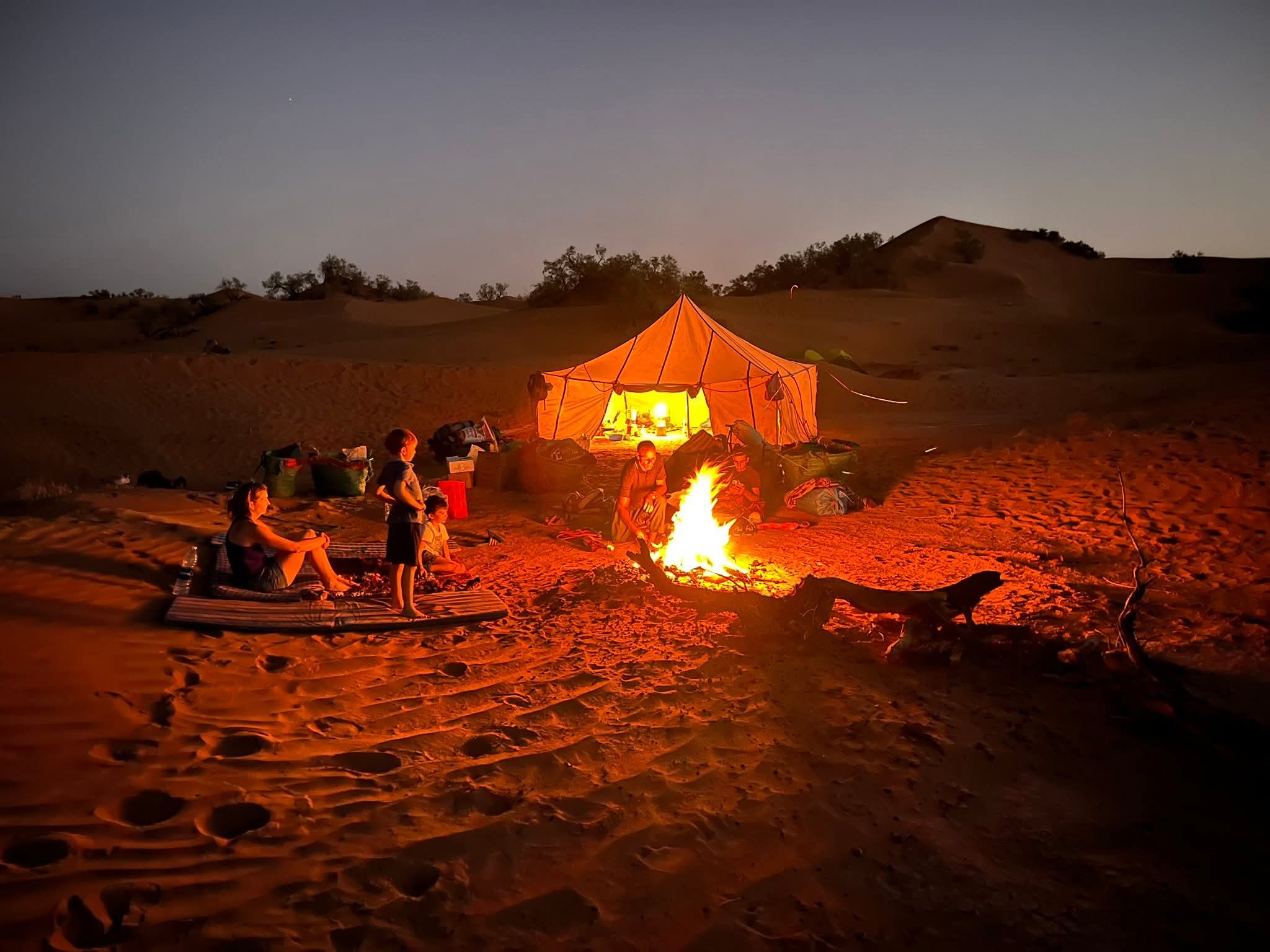
The word covers everything from a rug on the sand to a tented suite with plumbing. Knowing which one you have booked is the difference between a good night and a long one.

Fez, Meknes, Rabat and Marrakech each ruled Morocco at different times. Doing them as a circuit works — but only if you get the sequence and the pacing right.

Older than the High Atlas, lower, drier and almost empty of visitors. Painted rock, almond terraces, and granite the colour of rust.

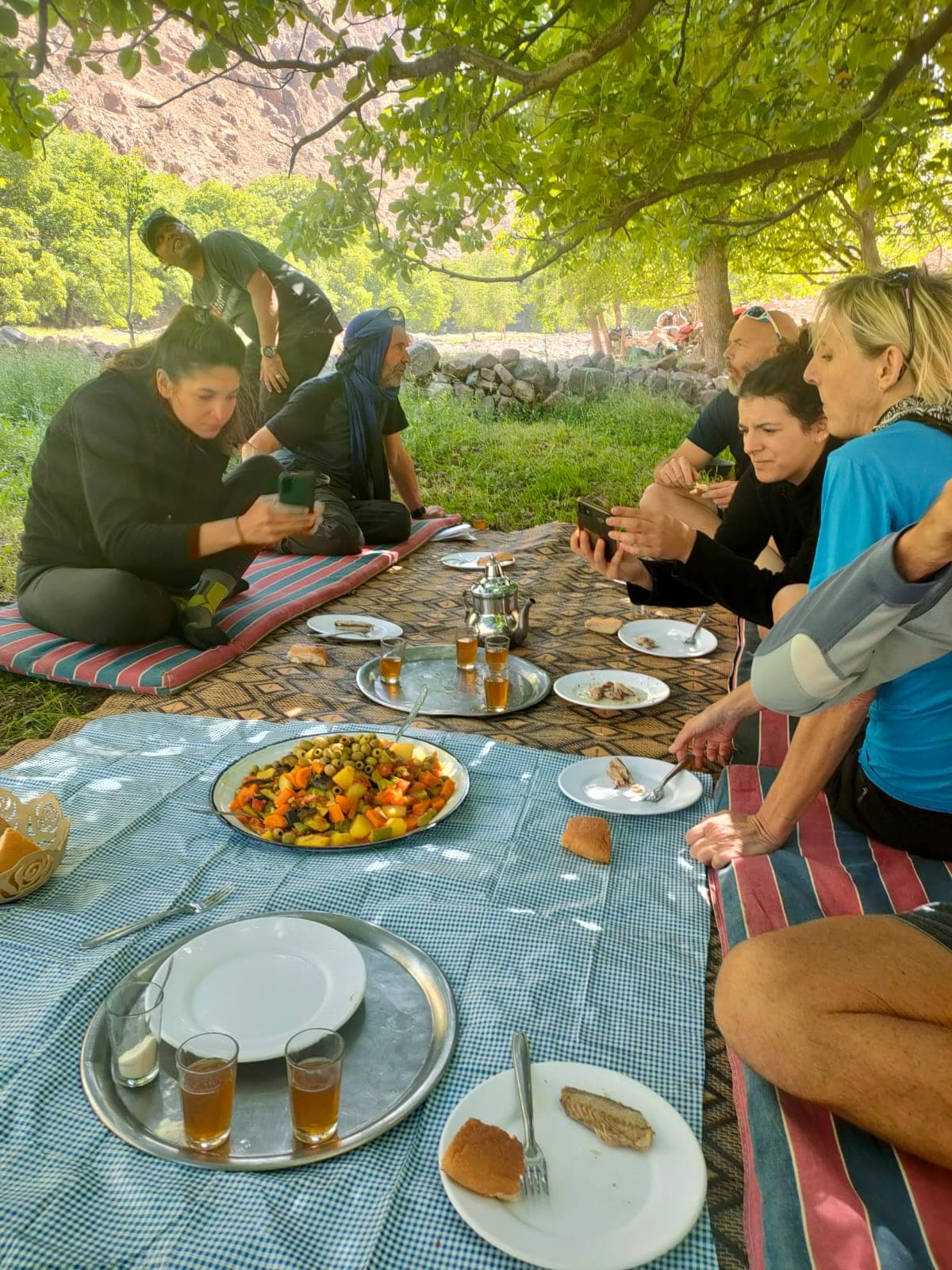
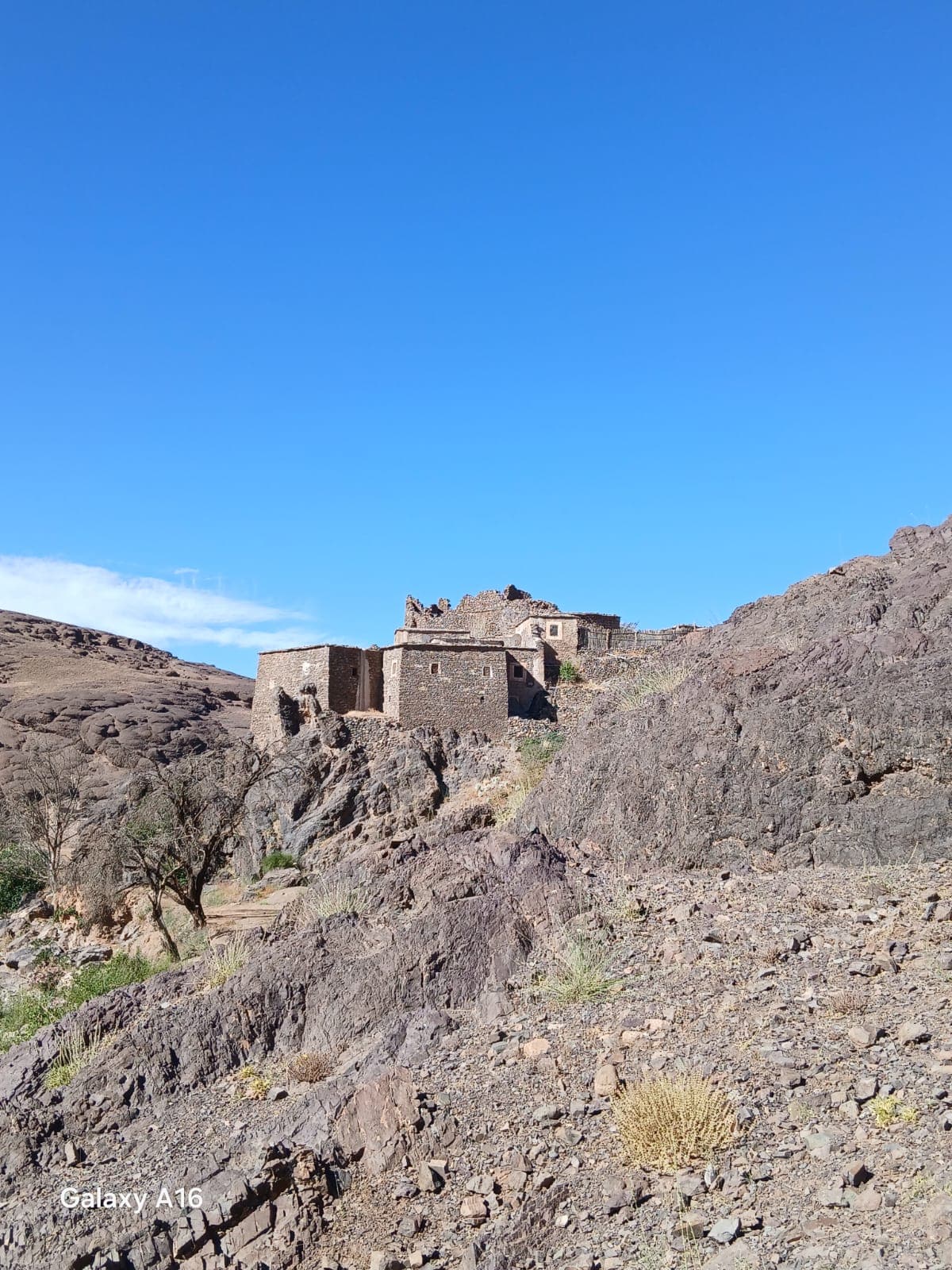
Hospitality in the Atlas is a real obligation, not a performance — which is exactly why it can be strained by visitors who do not know what is being offered.

Before the 4×4 transfer and the fixed camp, the desert was crossed on foot at the pace of a loaded camel. A handful of routes still work that way.

It is one of the easier countries to travel with kids — children are genuinely welcome everywhere. The difficulty is distance, heat and the medina at three in the afternoon.

Not dangerous, frequently tiring. What actually happens, what reduces it, and why the trips women report enjoying most are the ones that leave the cities.

Group trips fail on decisions, not distance. A route that suits six people with different budgets, different fitness and one person who wants to shop.

A tailored trip is not a package with your name on it. Here is what genuinely changes when a trip is built for you, and when it is not worth the money.

Over the Tichka, down the Drâa, through the gorges and back. The classic multi-day route south of Marrakech, and how to drive it without spending the week in the car.

Arriving in the red city for the first time, and the hour it takes to stop trying to understand it.

The country has walking at every altitude from sea level to 4,167 metres, which means somewhere is always in season — and somewhere is always a mistake.

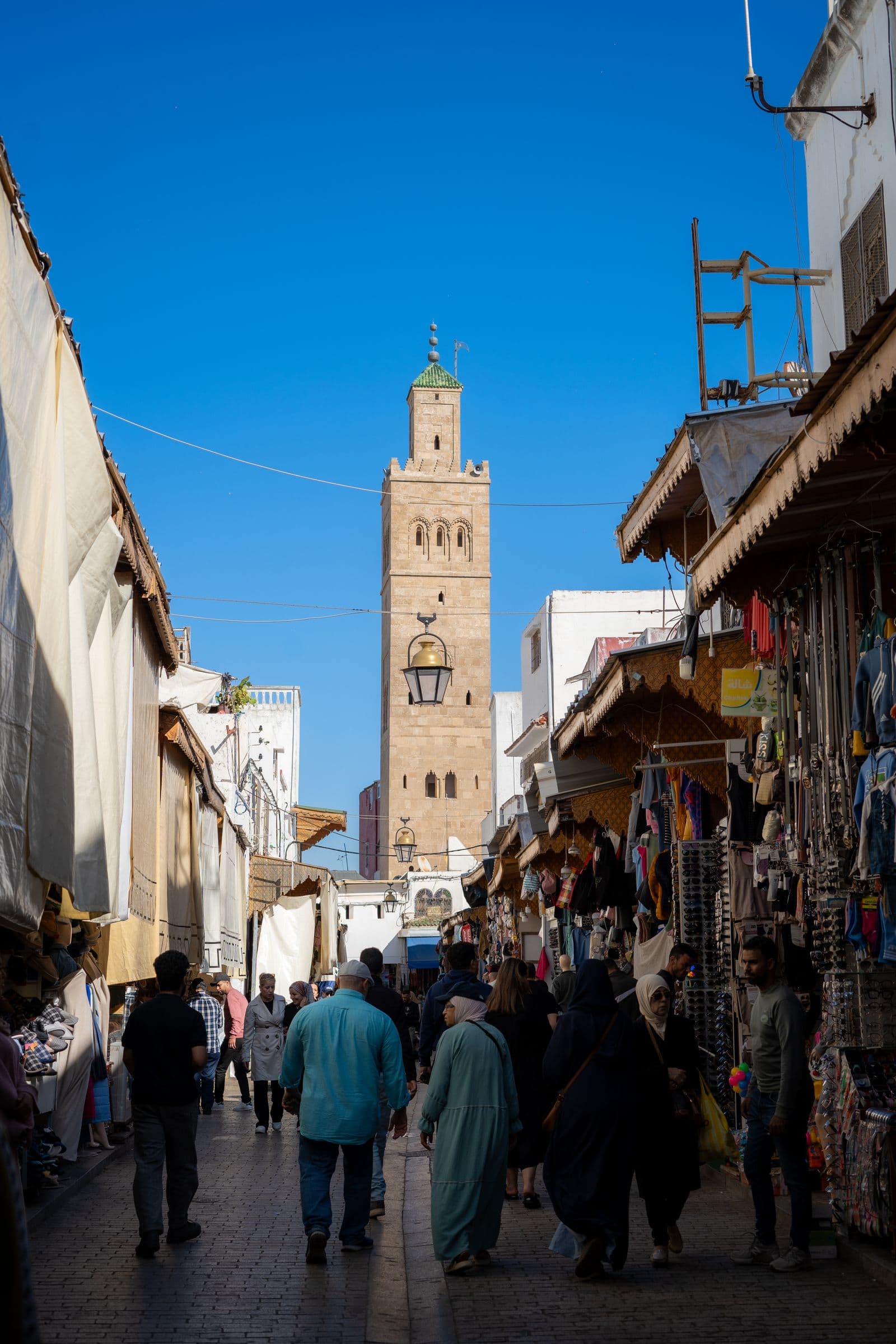
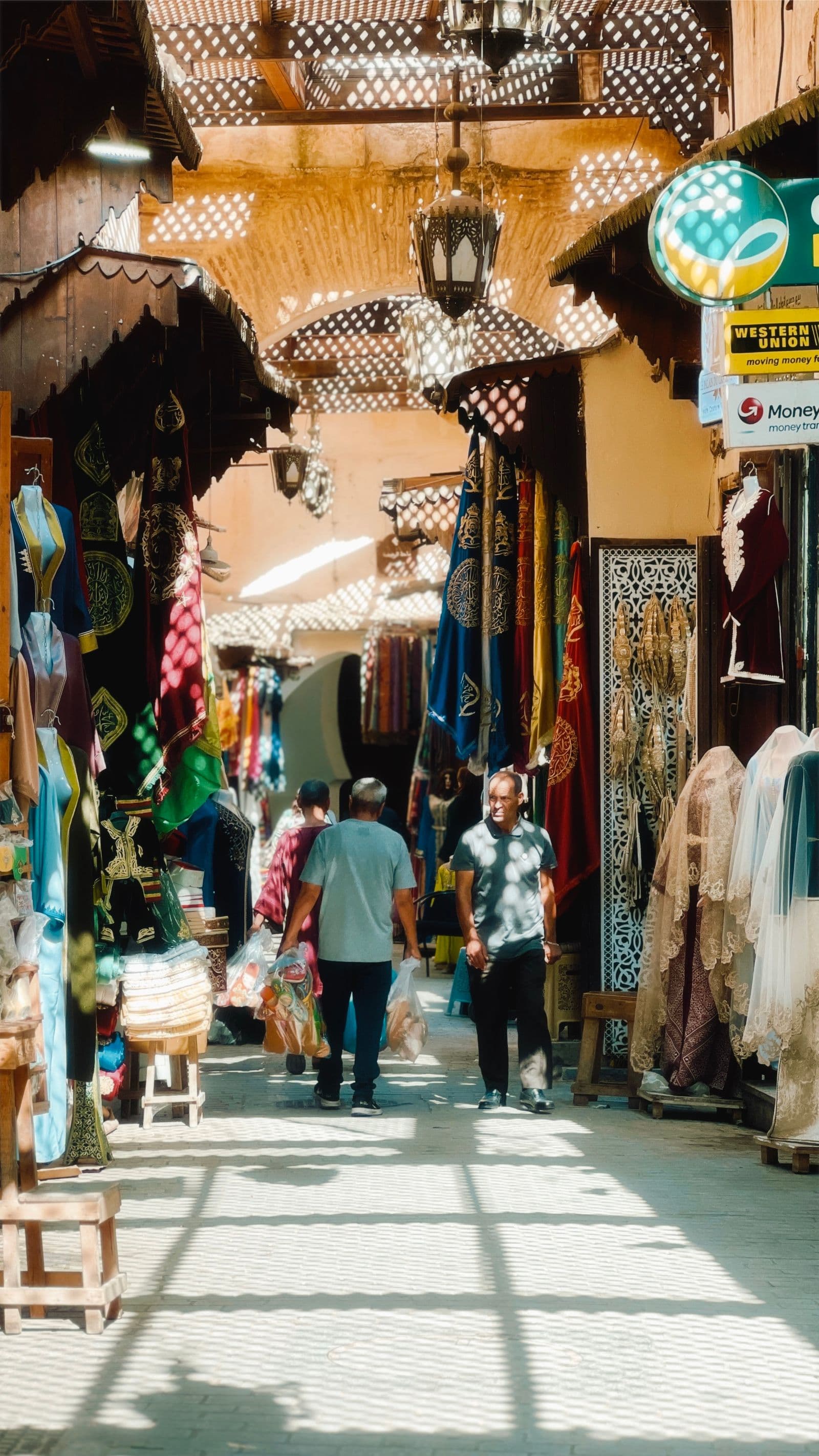
A medina market is not a random sprawl. It is organised by trade, by smell, by noise and by proximity to the mosque — and once you see the logic you stop getting lost.

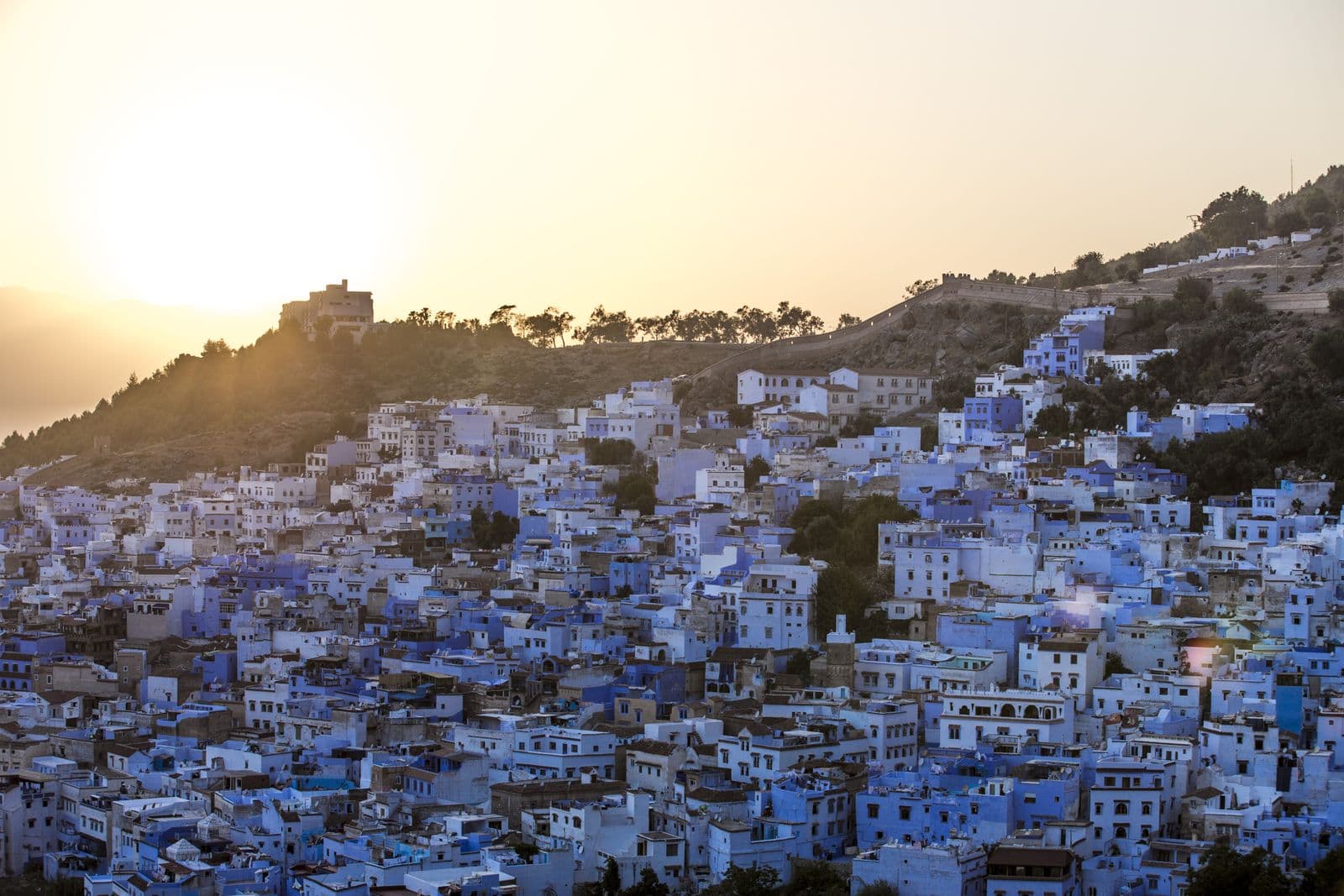
The blue town is genuinely worth the trip and takes about a day. The mountains it sits in are the least-visited range in Morocco and take considerably longer.

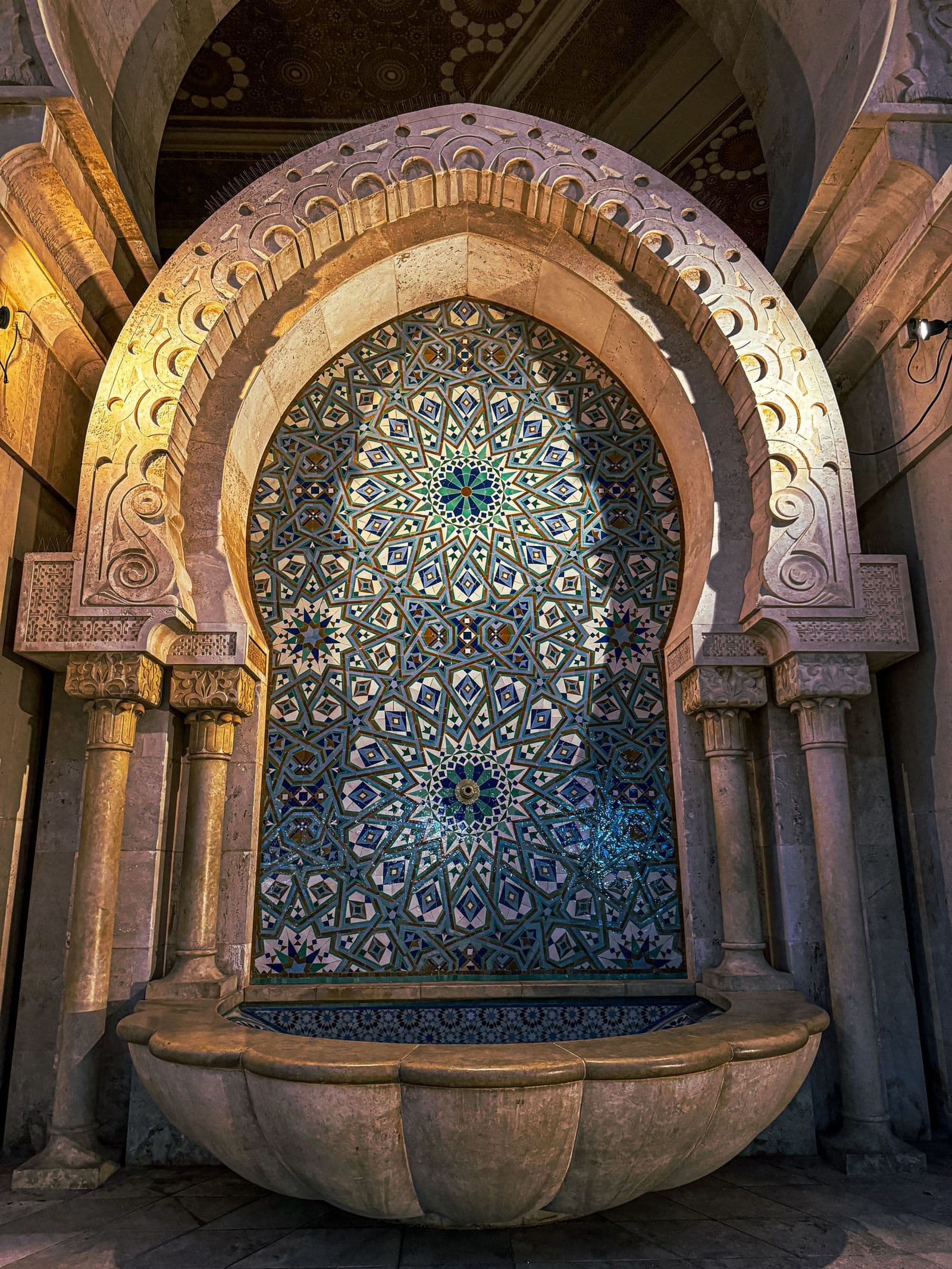
Every Moroccan tile pattern begins with an eight-pointed star, and every eight-pointed star begins with two squares.

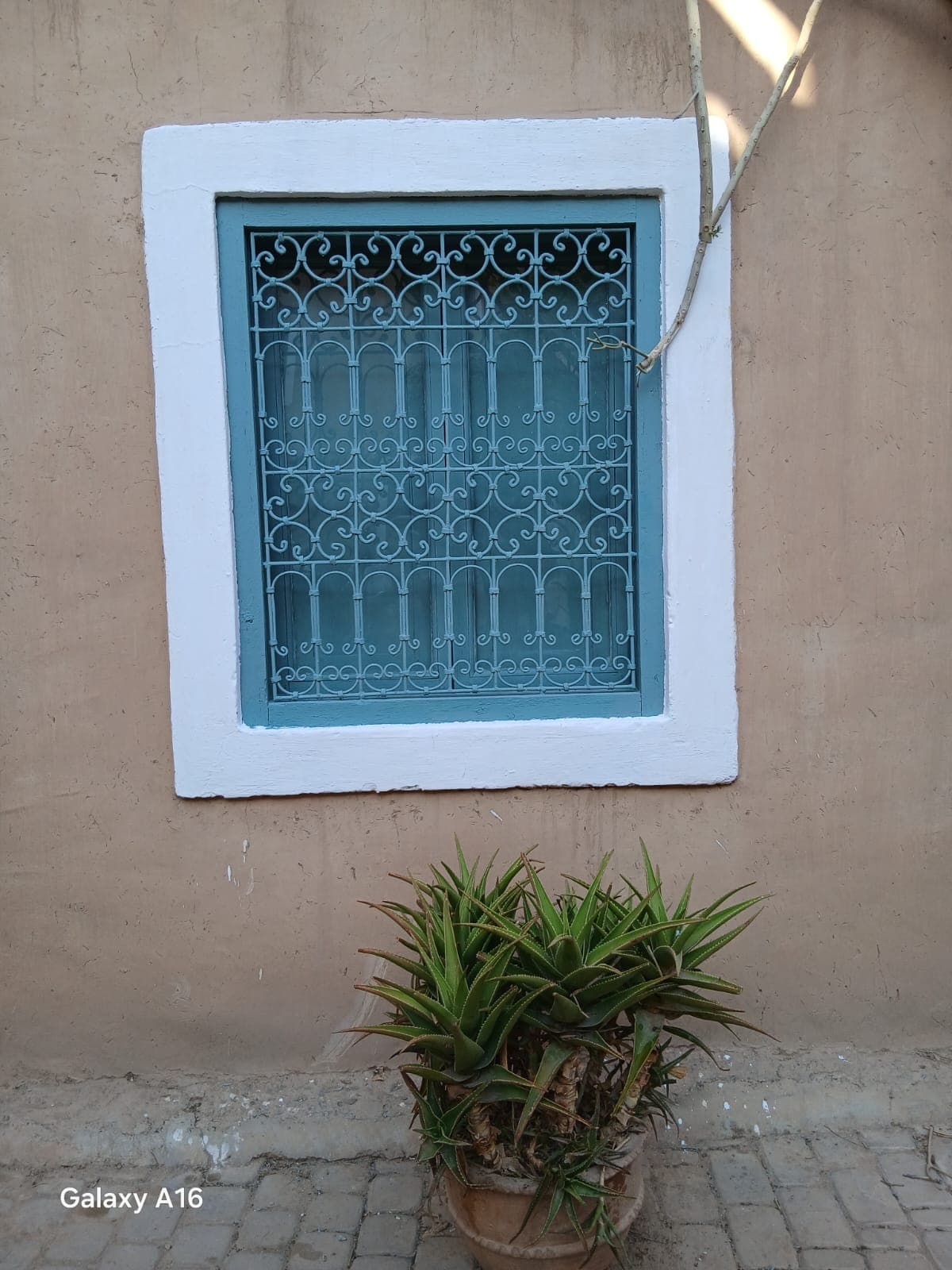
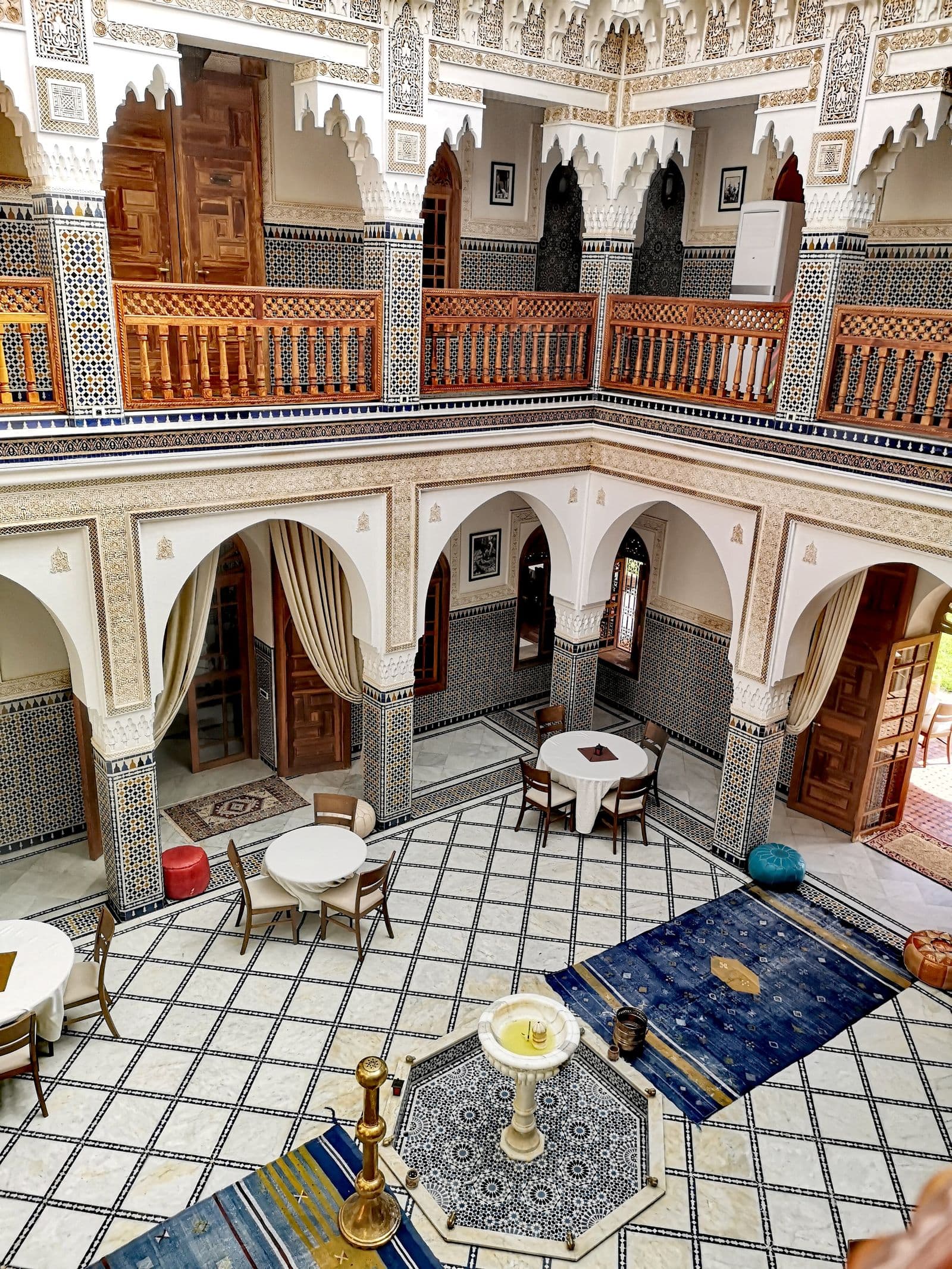
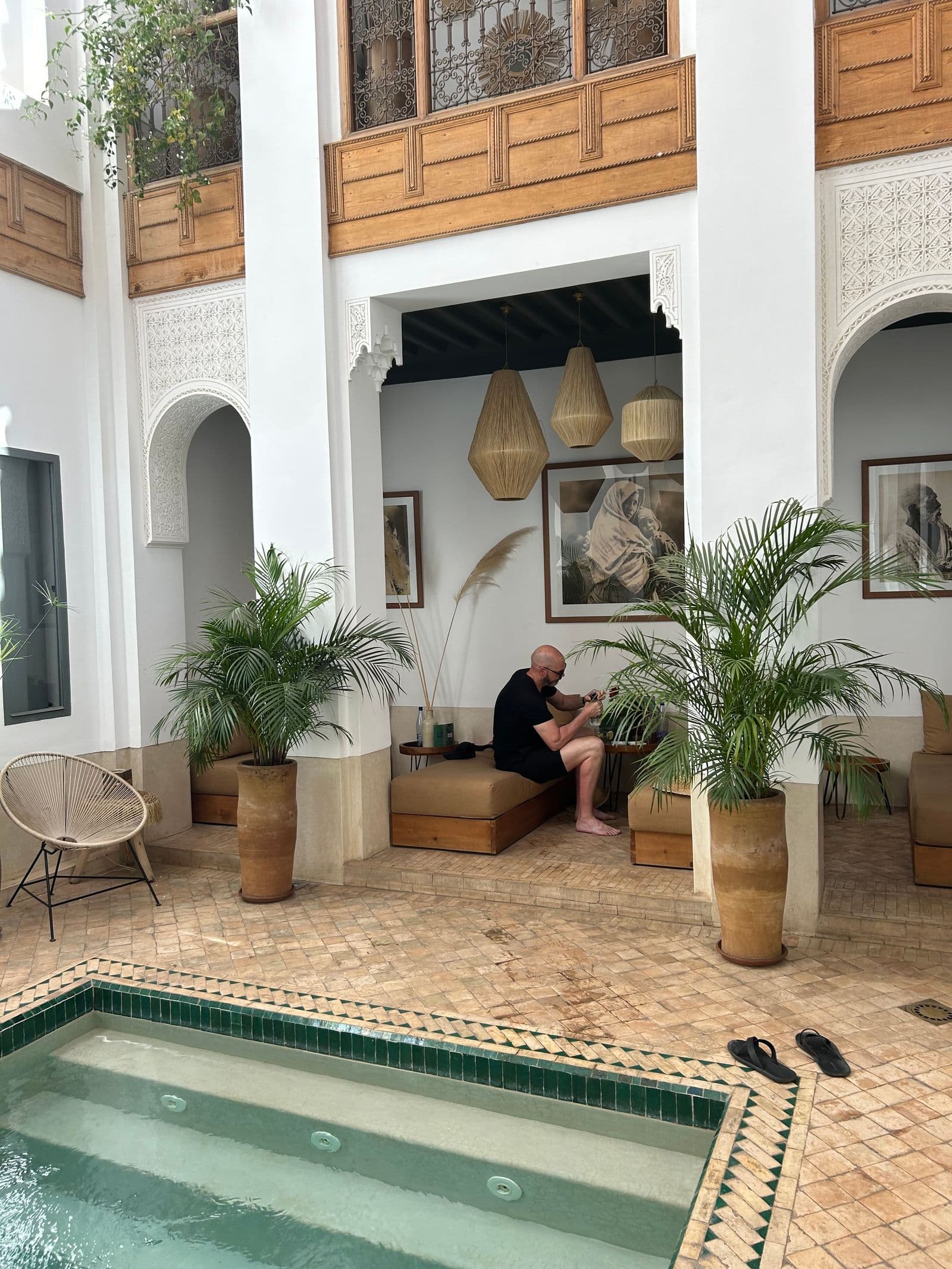
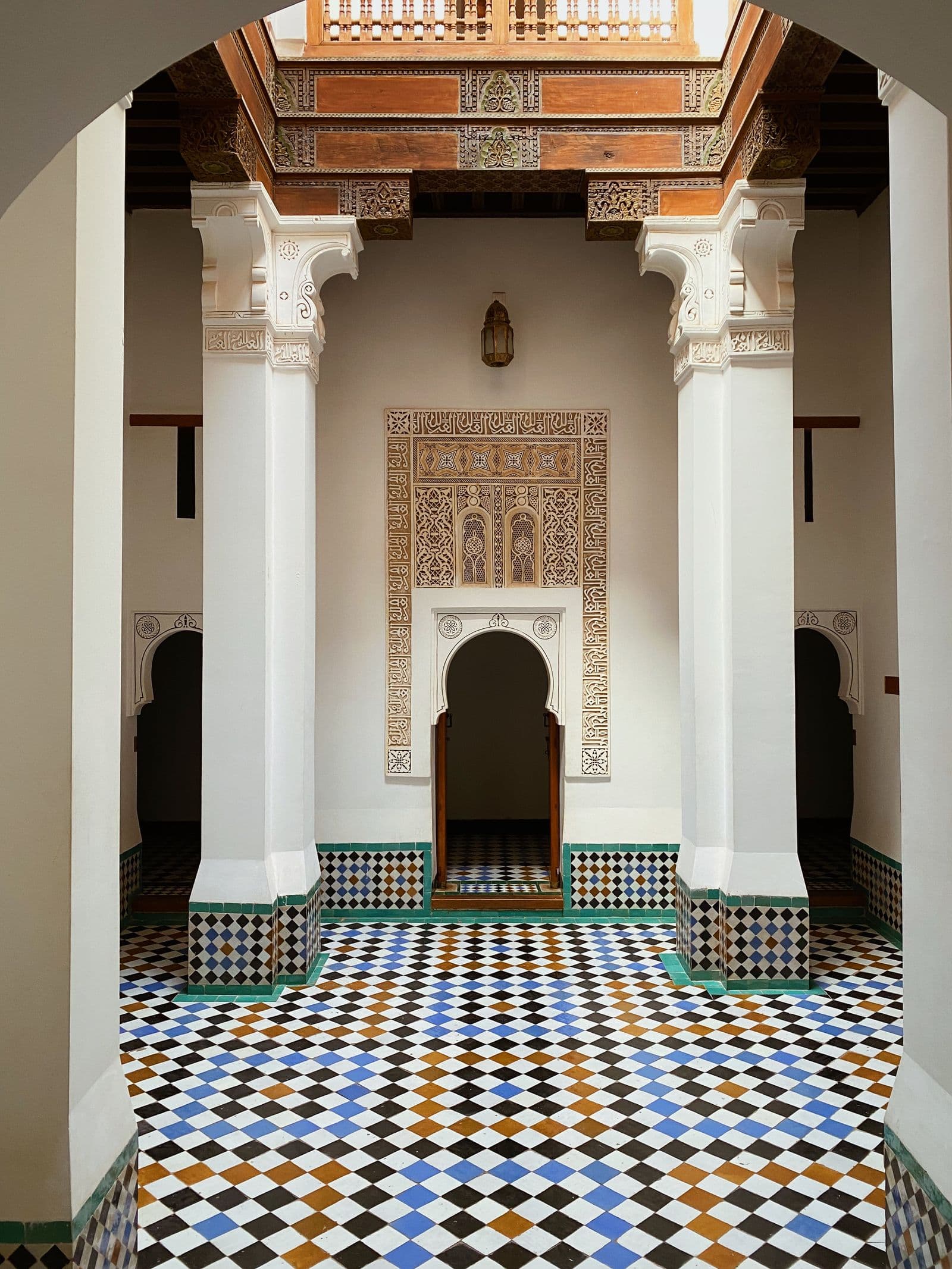
The Moroccan courtyard house turns its back on the street entirely — and that single decision explains everything else about it.

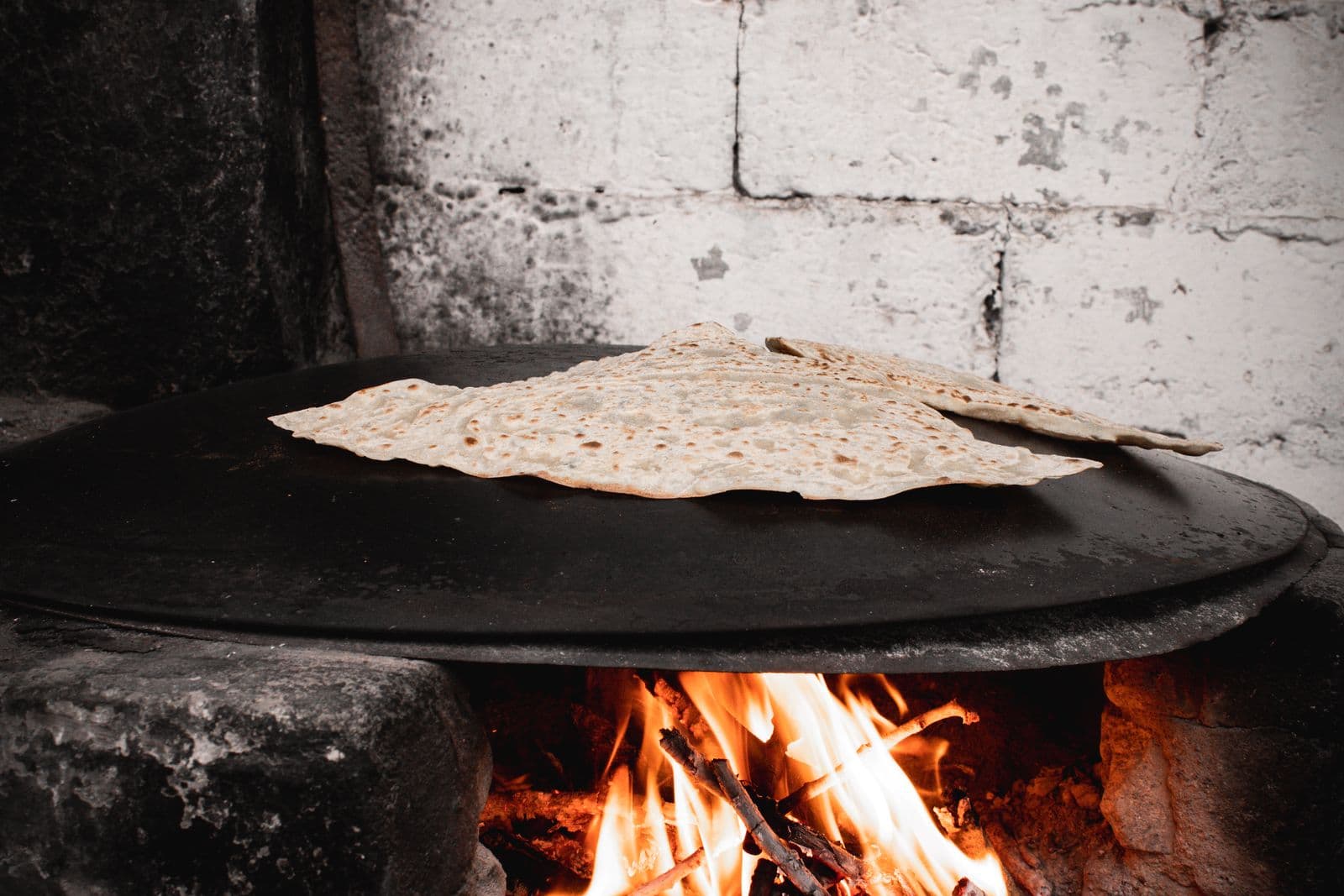
In the old medina, families still carry their dough to a shared oven — and the man who bakes it knows every household by their loaf.

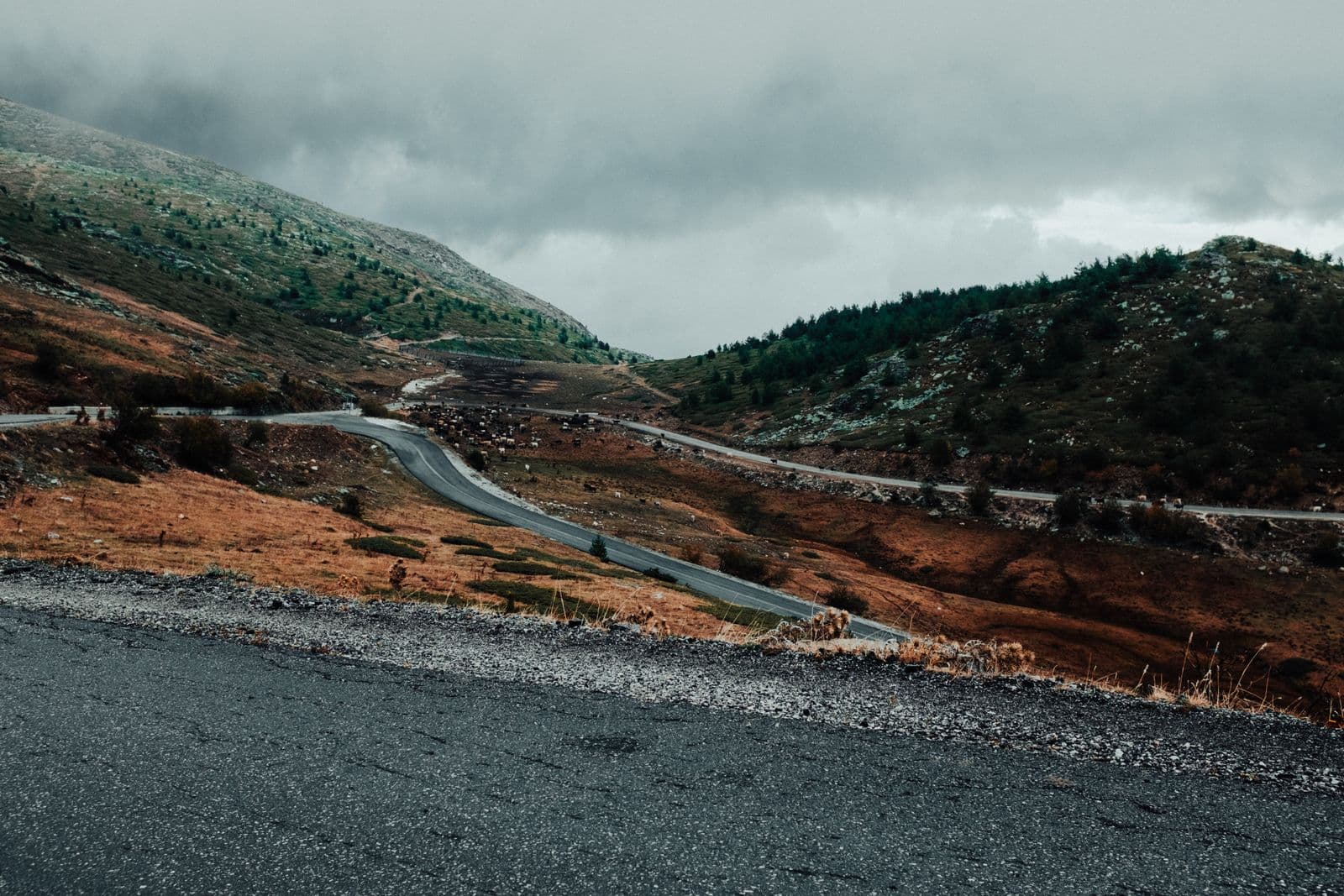
Two thousand two hundred and sixty metres, a hundred and eighty kilometres of switchbacks, and the moment the country changes completely.

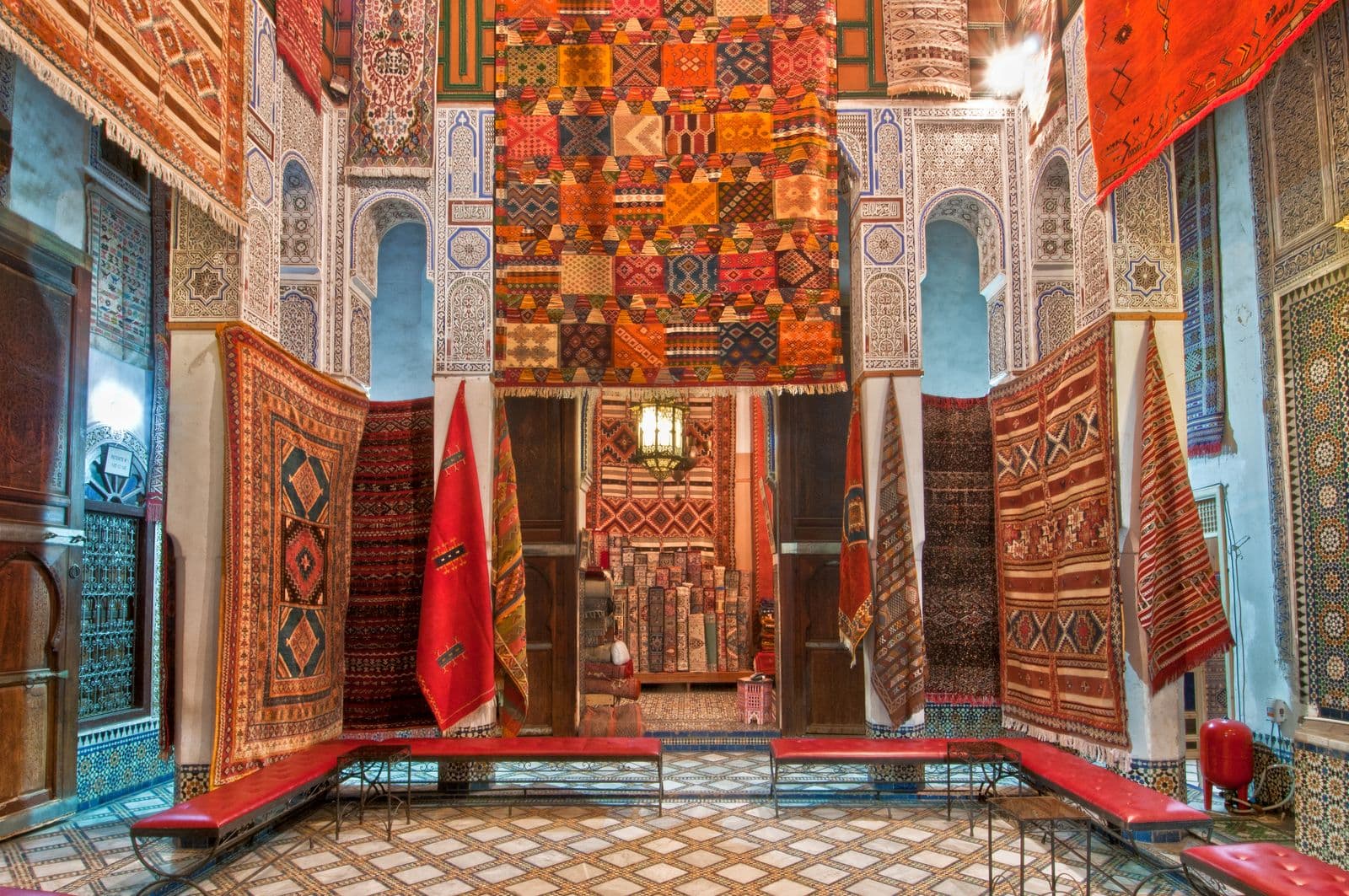
Amazigh women encoded a written language into wool for centuries — zigzag for water, diamond for protection, and a vocabulary most buyers never notice.