Most advice about when to visit Morocco is written for cities and is roughly useless for walking. The country runs from Atlantic coast to 4,167 metres and the seasons invert depending on where you stand: the month that is perfect in the High Atlas will kill you in the Sahara, and vice versa.
Here is the calendar by region.
The High Atlas — May, June, September, October
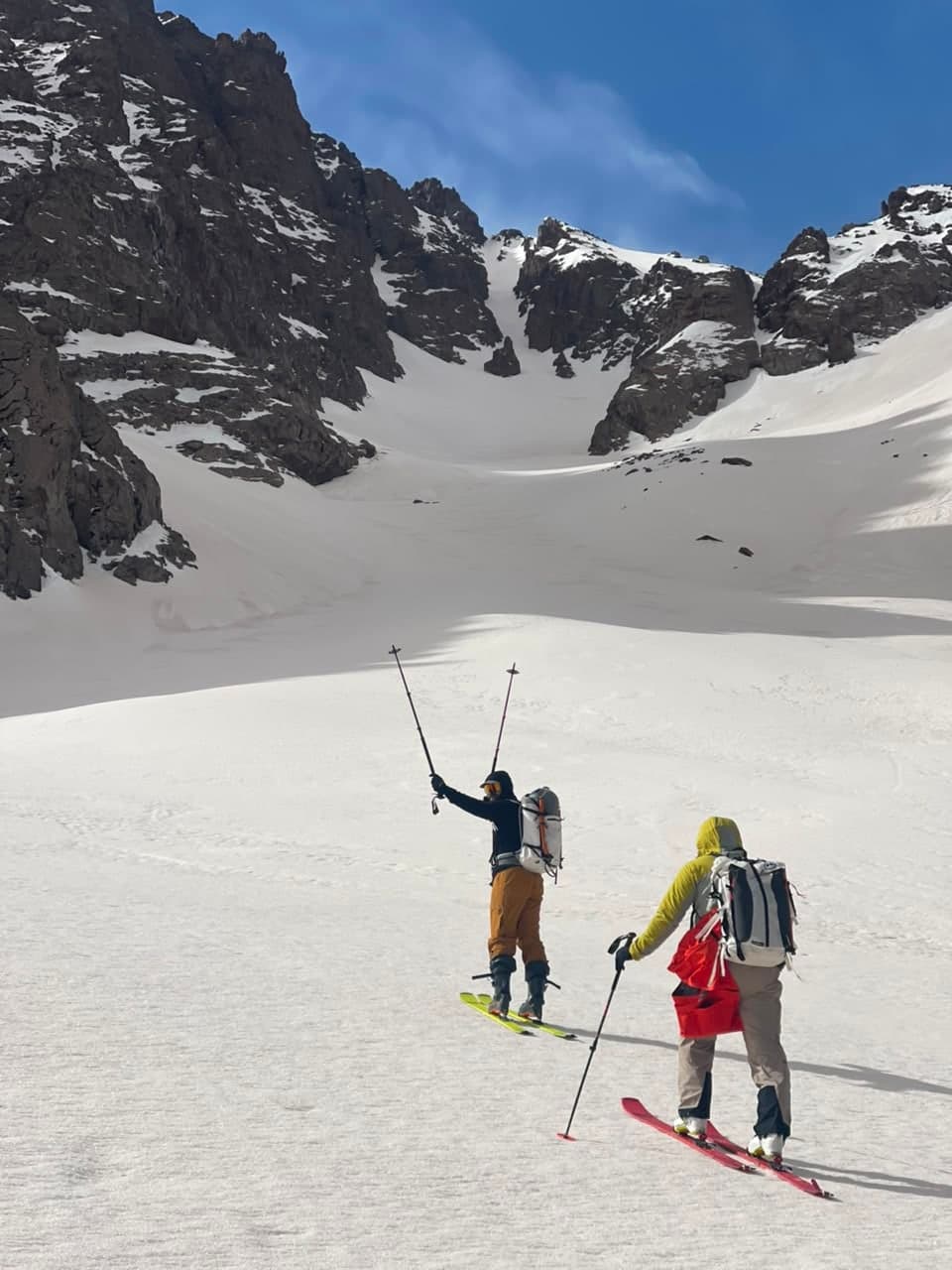
Above about 2,500 metres, snow closes the passes from roughly November to April. Toubkal in winter is a mountaineering objective requiring crampons and an ice axe, not a trek.
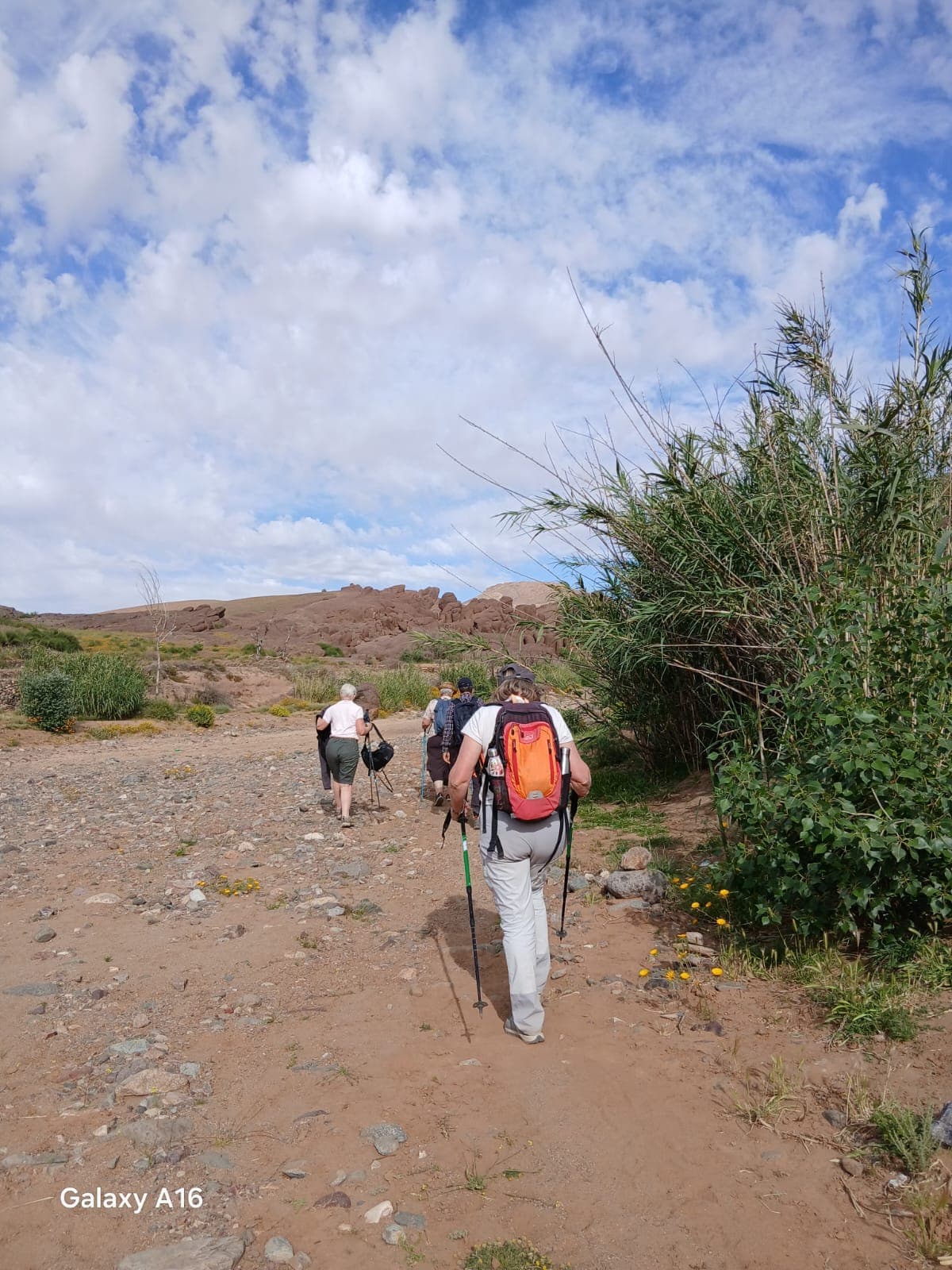
May and June are the best months: everything is open, the meltwater is running, the high pastures are green and the villages are moving animals up. September is nearly as good and quieter, with more stable weather and lower rivers. October works until the middle of the month, after which nights at altitude get serious.
July and August are climbable but the valleys are very hot and the refuges are full. Start walking at five in the morning or do not bother.
The Sahara — October to April
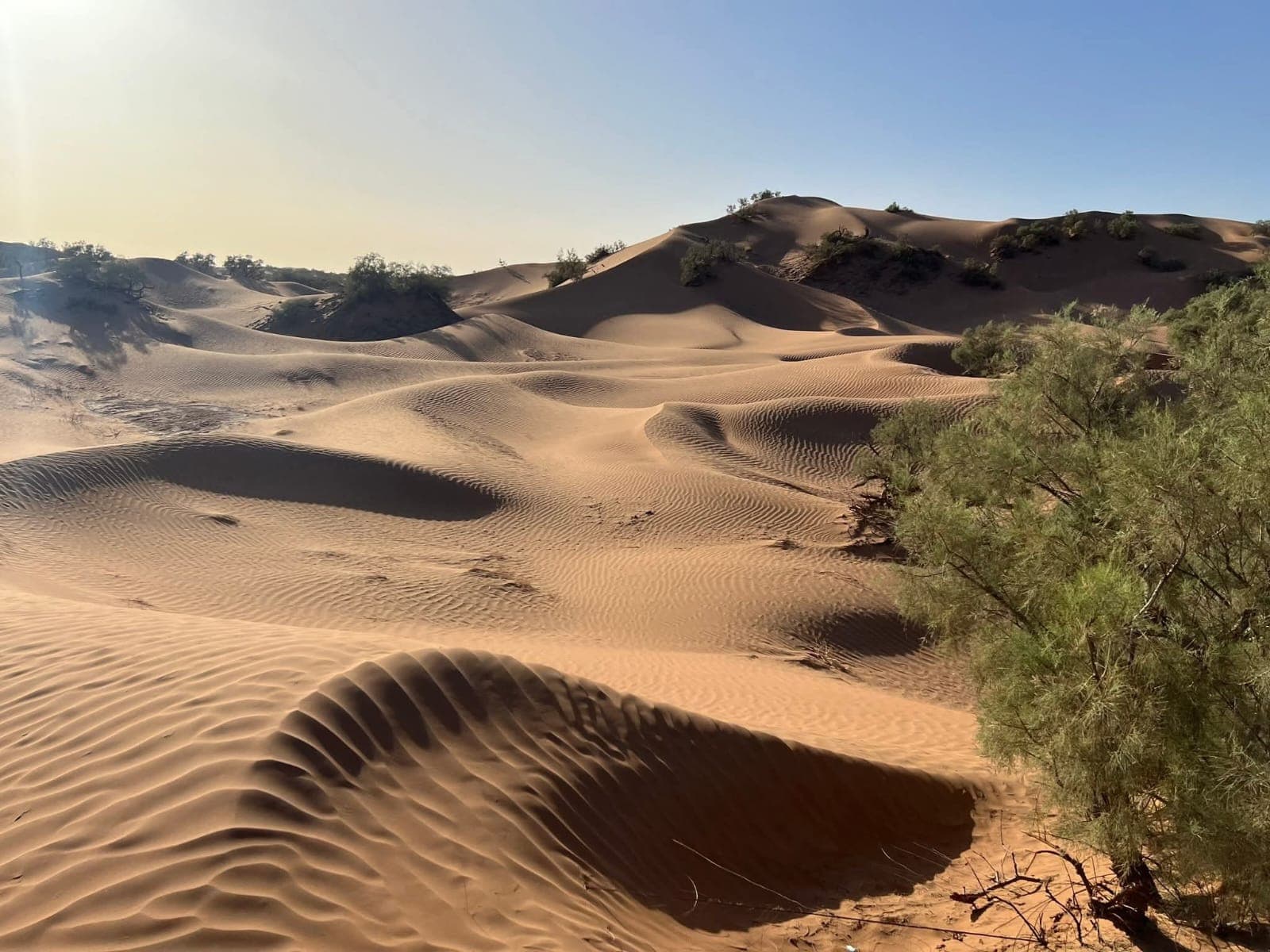
Exactly inverted. Summer in the desert is not a season for walking; daytime temperatures make multi-day trips genuinely unsafe and no reputable operator runs them.
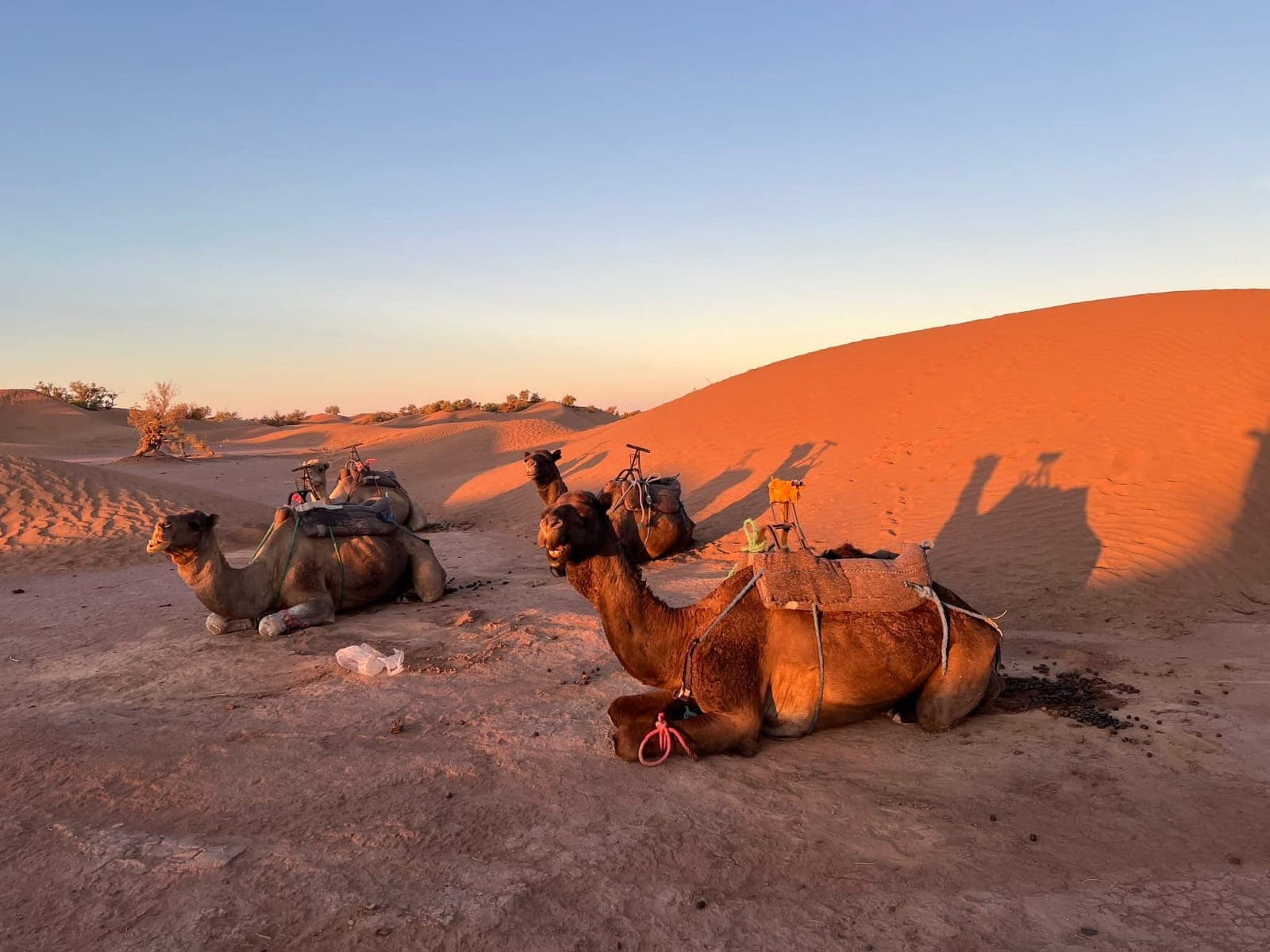
November to February is the walking season: warm days, cold nights, occasionally near-freezing after dark. March and April are excellent and slightly warmer. October is the shoulder and still hot in the middle of the day.
The Anti-Atlas — October to April, and specifically February
Low enough to walk all winter, too hot to enjoy in summer. Late February into early March is the almond blossom, which is the reason to plan a trip around a specific fortnight.
The Middle Atlas — April to June, September to October
The cedar forests around Azrou and Ifrane, the lakes, and the Amazigh plateau villages. Snow in winter — Ifrane is a ski town — and pleasant but busy in summer, when Moroccans go there to escape the heat.
The coast — all year
Essaouira to Sidi Ifni, the coastal paths work in any month. Windy always. This is the answer for July and August when everywhere inland is unwalkable.
Ramadan
Worth planning around, and the dates move roughly eleven days earlier each year.
Walking during Ramadan is entirely possible and guides work through it, but your guide and muleteers will be fasting from dawn to sunset, including water. In summer Ramadan that is a serious ask on a mountain. Days start earlier and end earlier, lunch stops disappear, and the mood in the late afternoon is understandably flat.
The compensation is that the evening meal is a genuine occasion and being invited to one is among the better things that can happen to a visitor here.
If you are travelling then, be discreet about eating and drinking in front of people who are fasting. Nobody will say anything. It is simply courteous.
The one-line answer
If you want to walk in Morocco and have not decided where: go in May or September, and go to the High Atlas. If those months are impossible, go in February and go south — the Anti-Atlas in blossom or the desert on foot.
The only genuinely bad combination is high mountains in midwinter without equipment, or anywhere south of the Atlas in July.