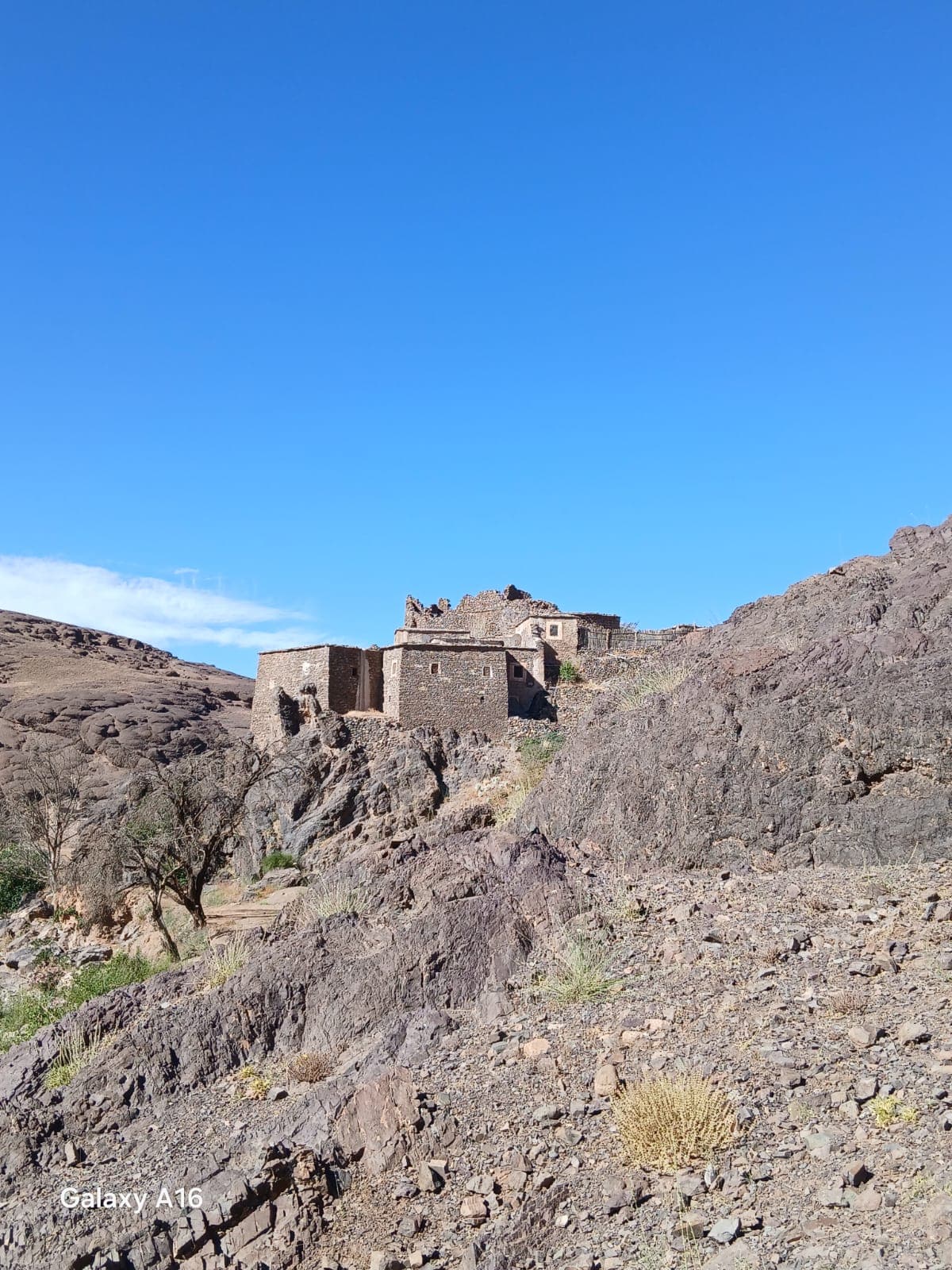
What Everything Costs, Part 2: Desert, Cities and Culture
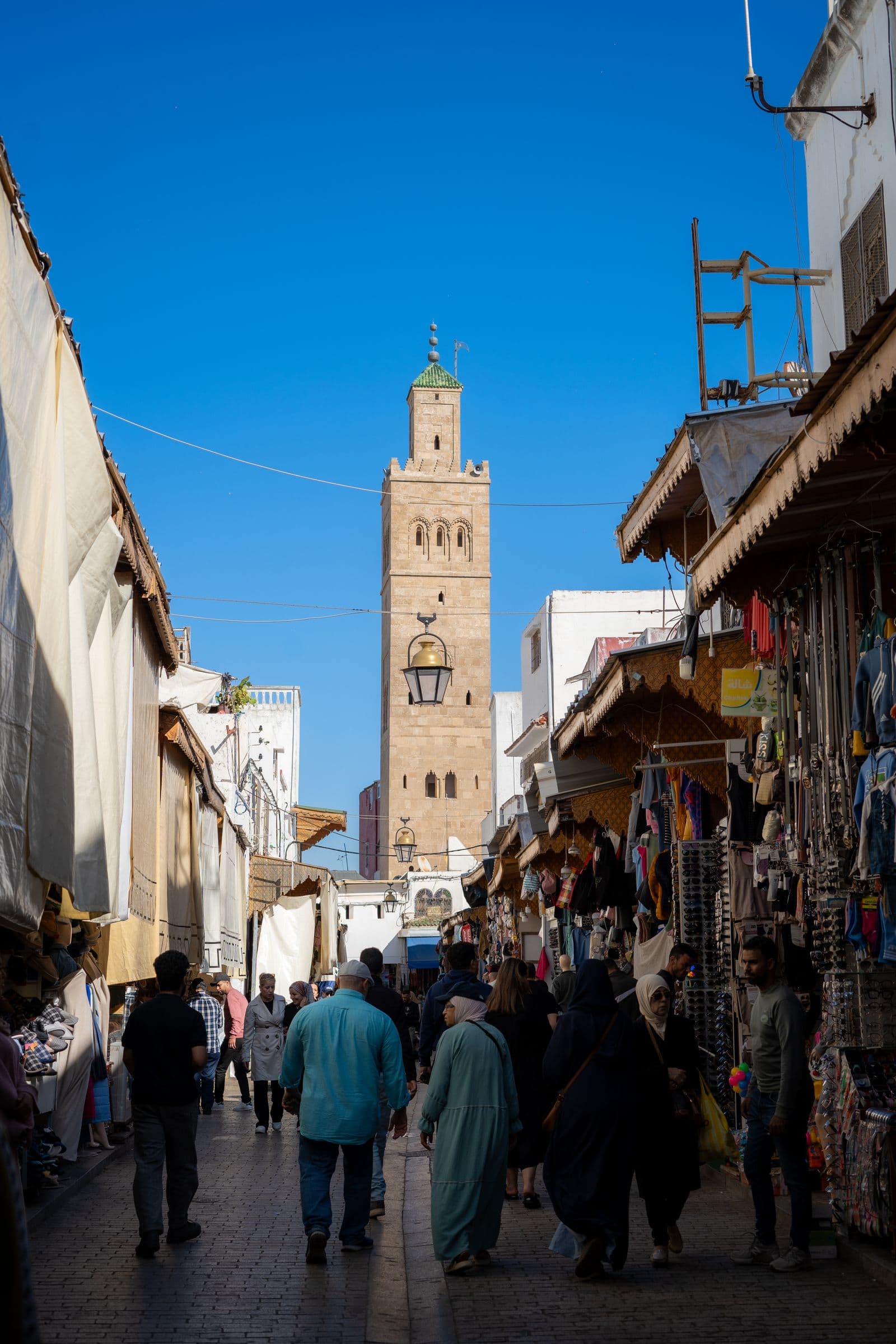
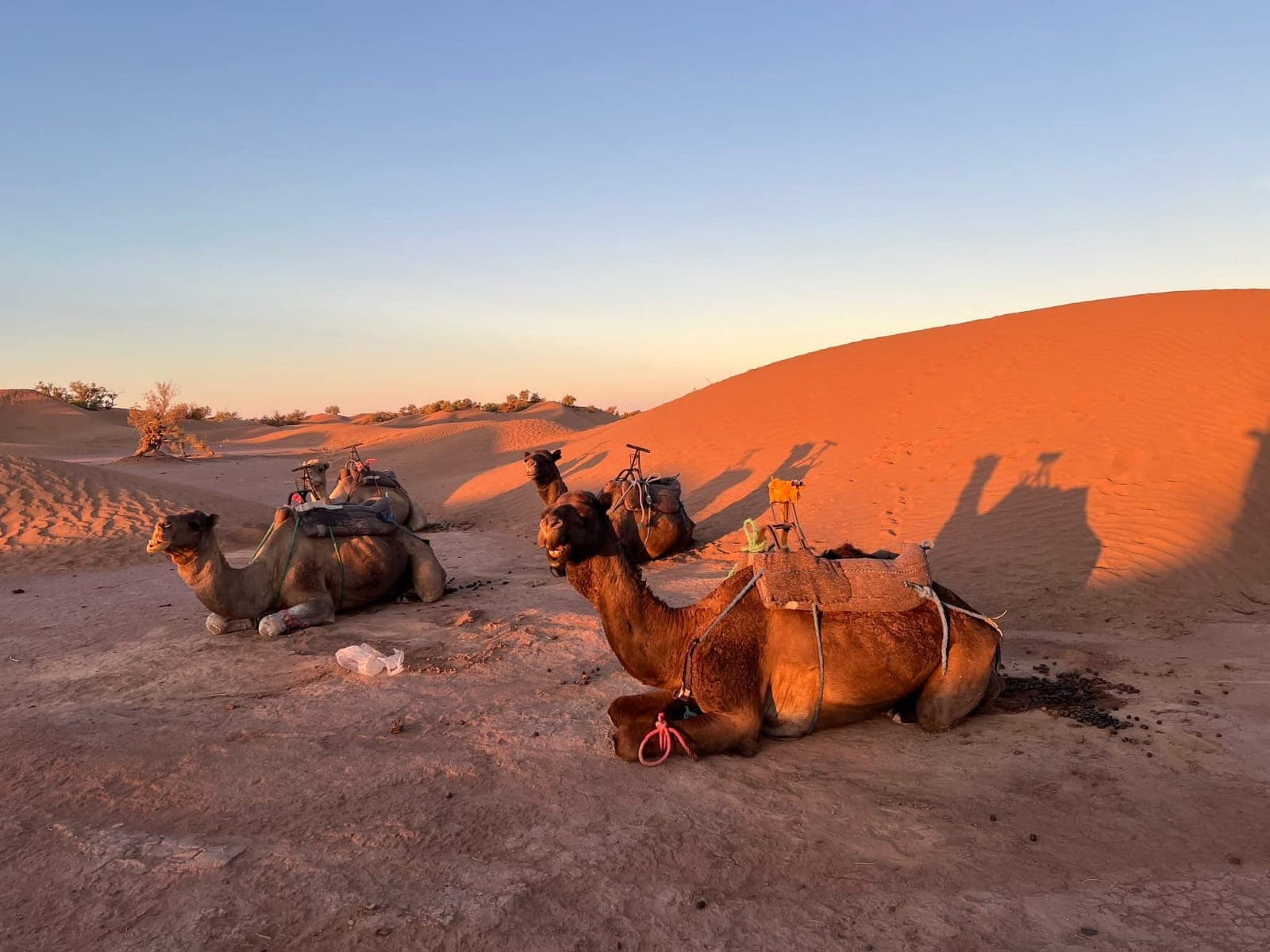
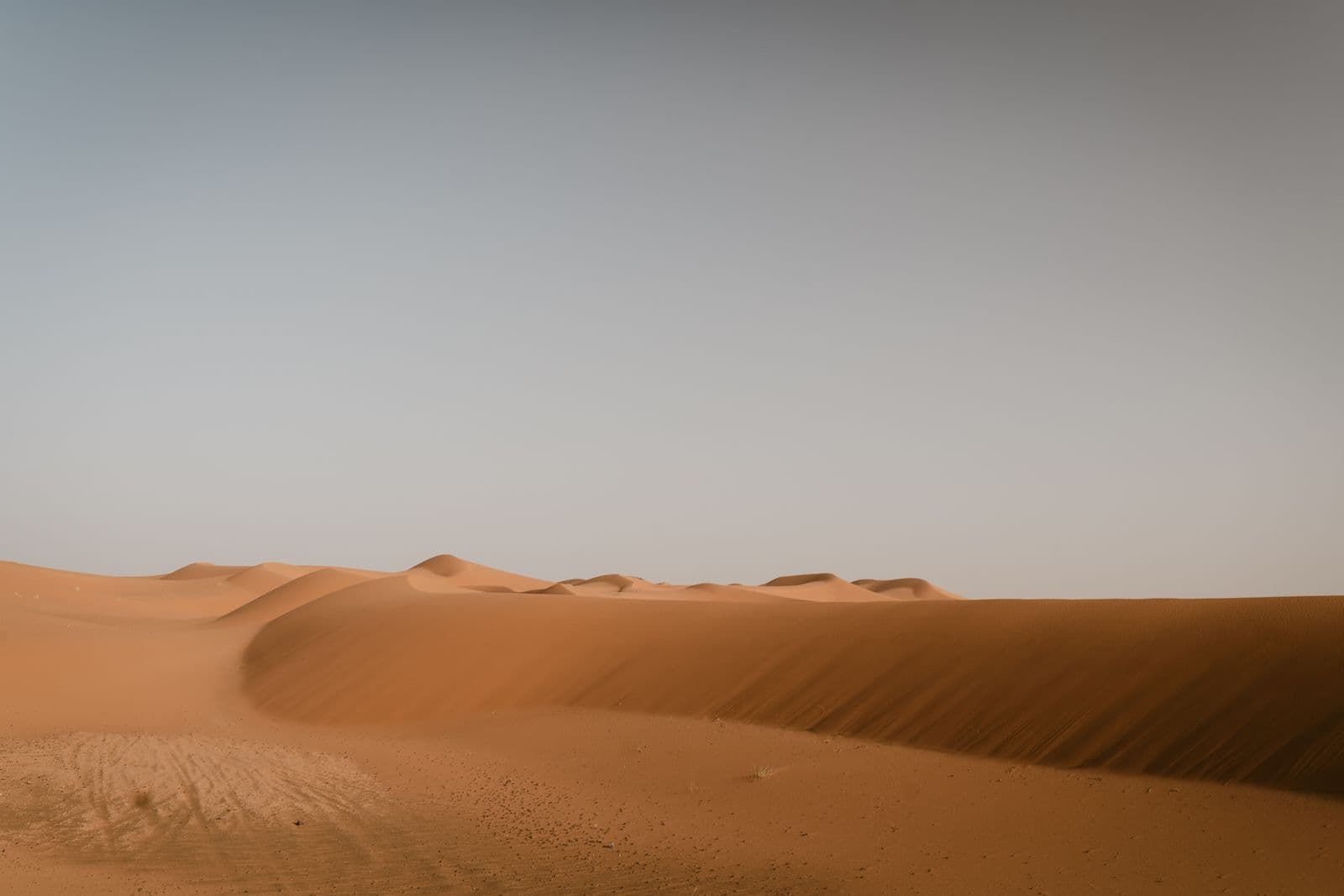
Sahara tours, camel treks, 4×4 raids, cooking classes, hammams, guides and transfers — real prices in dirham and euro, with the per-vehicle logic that makes desert pricing work differently.

Sahara tours, camel treks, 4×4 raids, cooking classes, hammams, guides and transfers — real prices in dirham and euro, with the per-vehicle logic that makes desert pricing work differently.

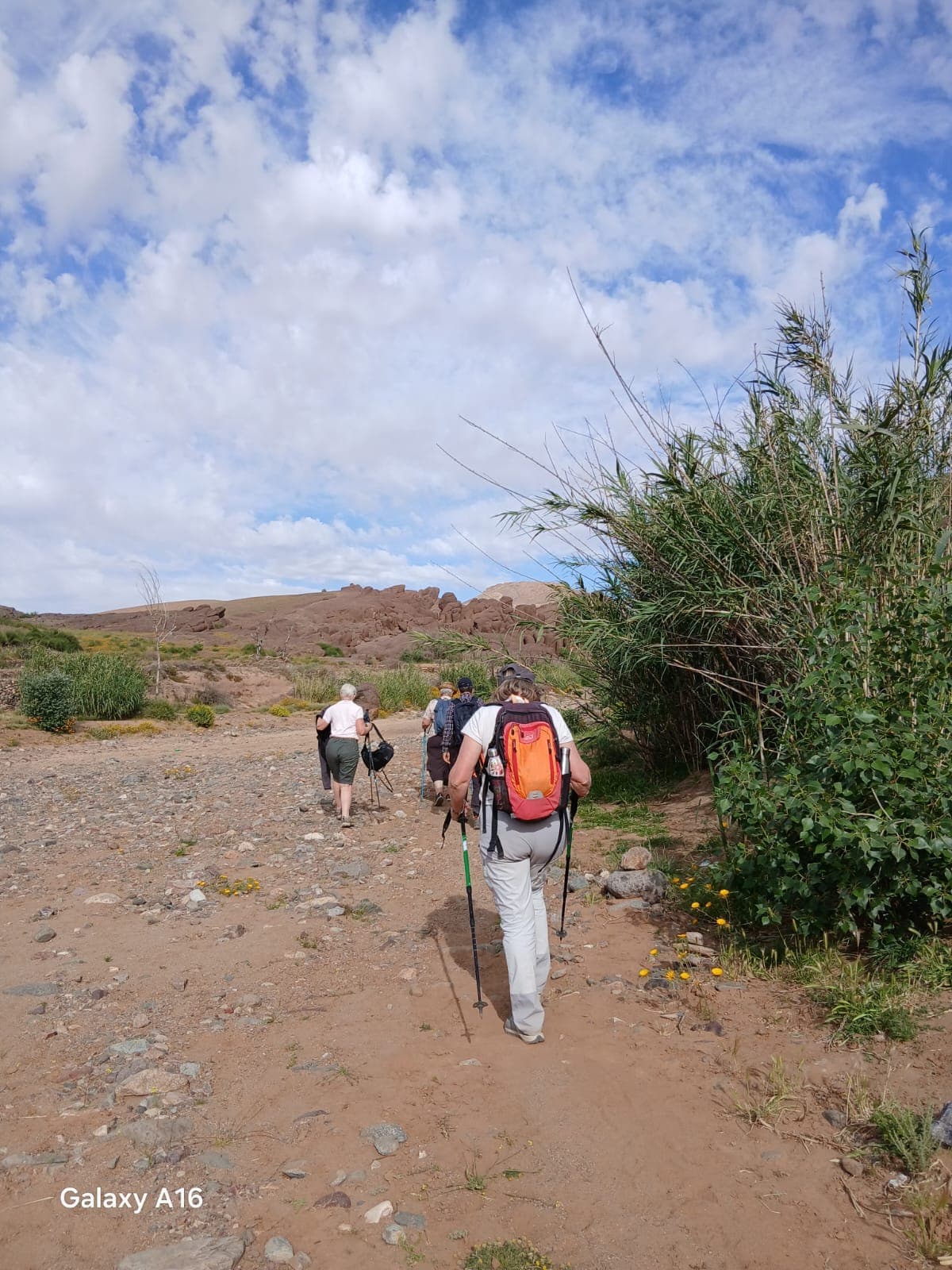
Trekking, Toubkal, ski touring, mountain biking and the Atlas day trips — real prices in dirham and euro, how long each takes, and what is genuinely included.

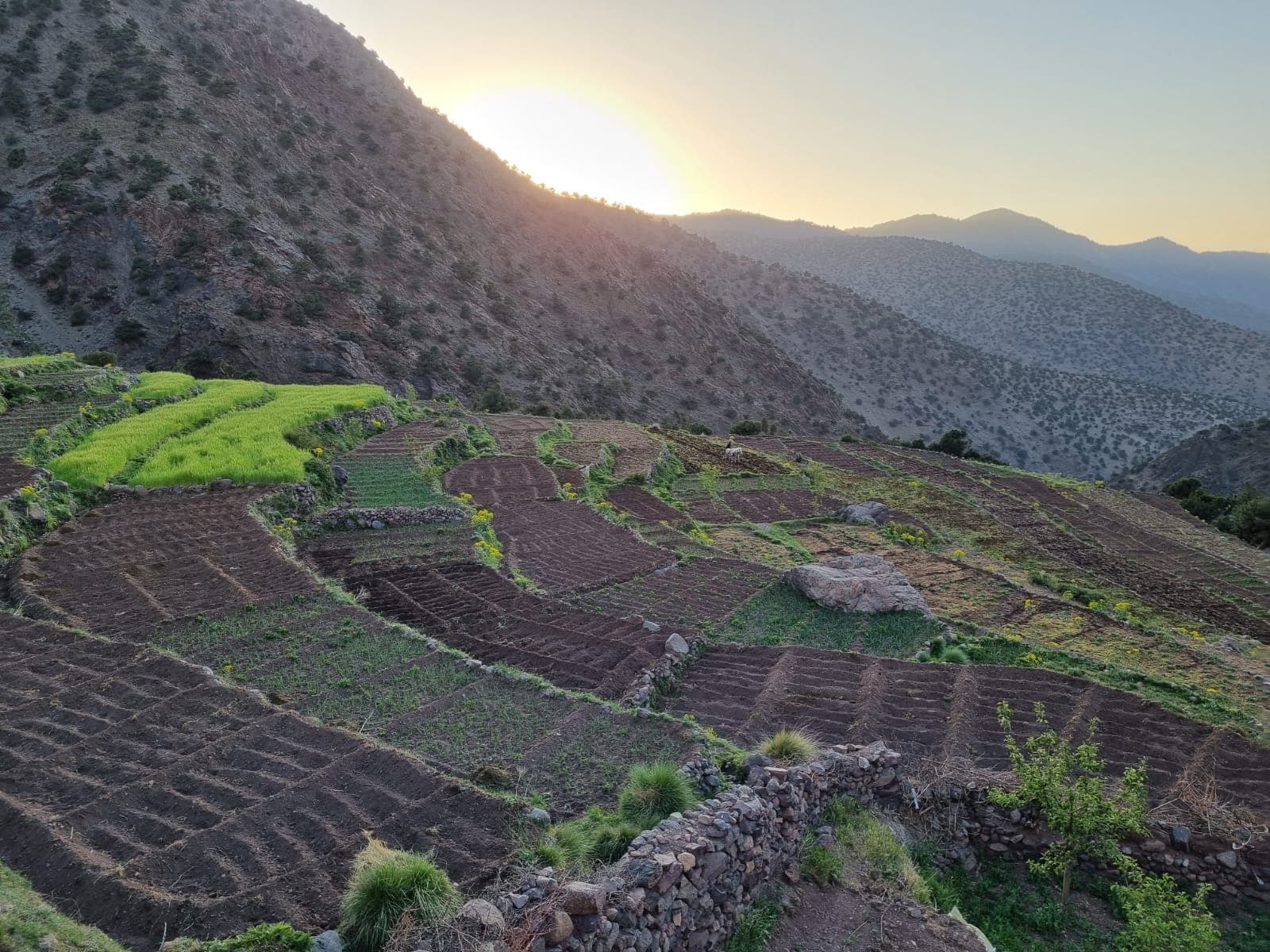
Ourika, Imlil, Ouirgane or Asni — four very different days sold under one name. Which valley suits which kind of visitor, and how to avoid the waterfall coach crush.

Il n'y a pas un seul bon mois — il y a un bon mois pour ce que vous voulez vraiment faire. Marrakech en août et le Haut Atlas en août sont deux pays différents. Un calendrier de travail, par des gens qui guident les douze mois.

Cinq, sept, dix ou quatorze — ce que chaque durée atteint réellement, et le moment précis où ajouter une destination commence à retrancher du voyage.

La criminalité violente contre les visiteurs est rare. Le harcèlement commercial, les fausses indications et les prix gonflés ne le sont pas. La distinction honnête entre danger et agacement, et ce qui pose réellement problème.

Retreats sell stillness; the Sahara gives it away. Where in Morocco you can genuinely hear nothing, what the hammam and Sufi traditions offer, and how to build a contemplative trip without booking a package.

Why it is poured from height, why there are three glasses, why refusing is harder than it looks — and how a Chinese import became the central gesture of Moroccan hospitality.
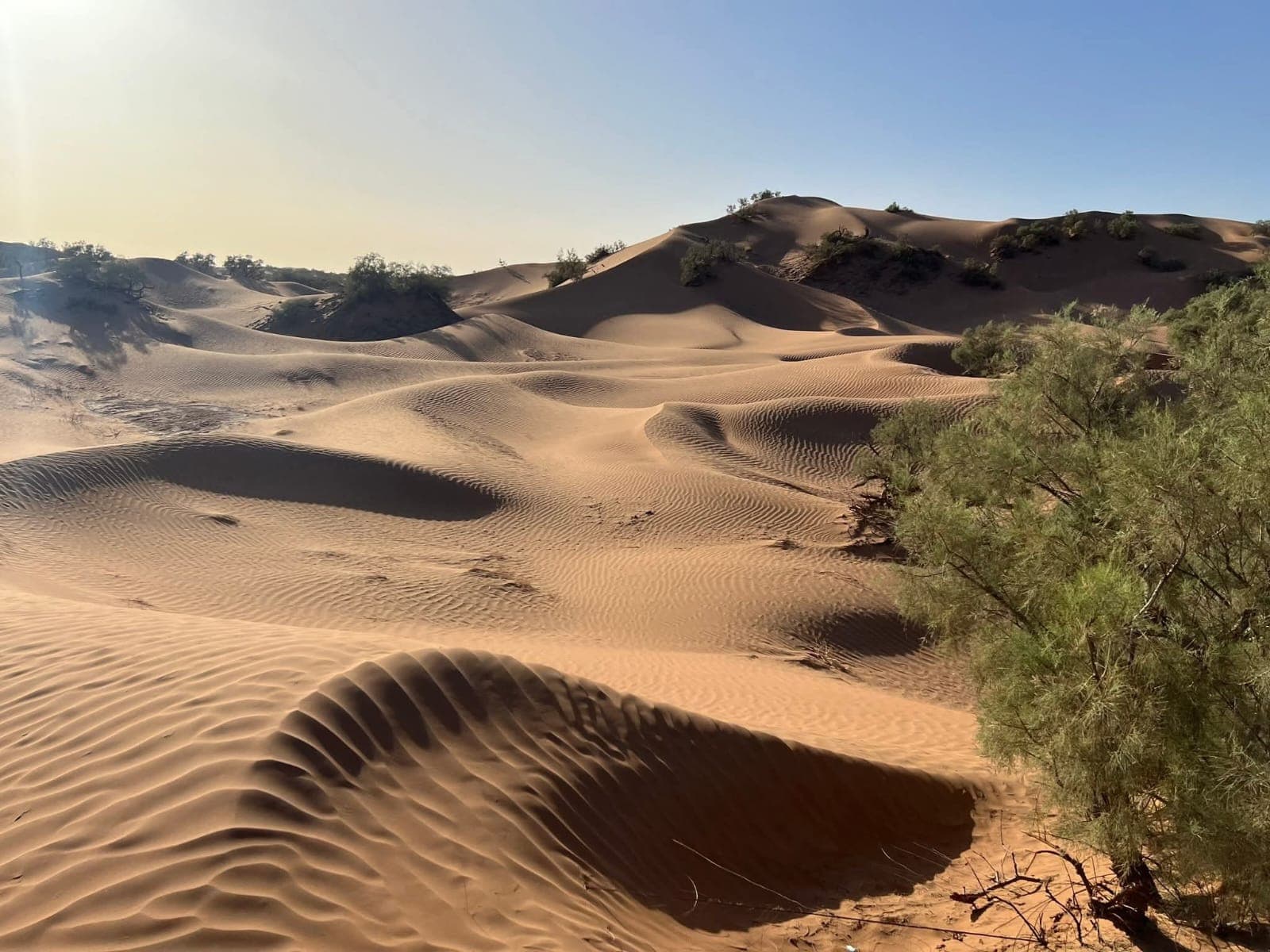
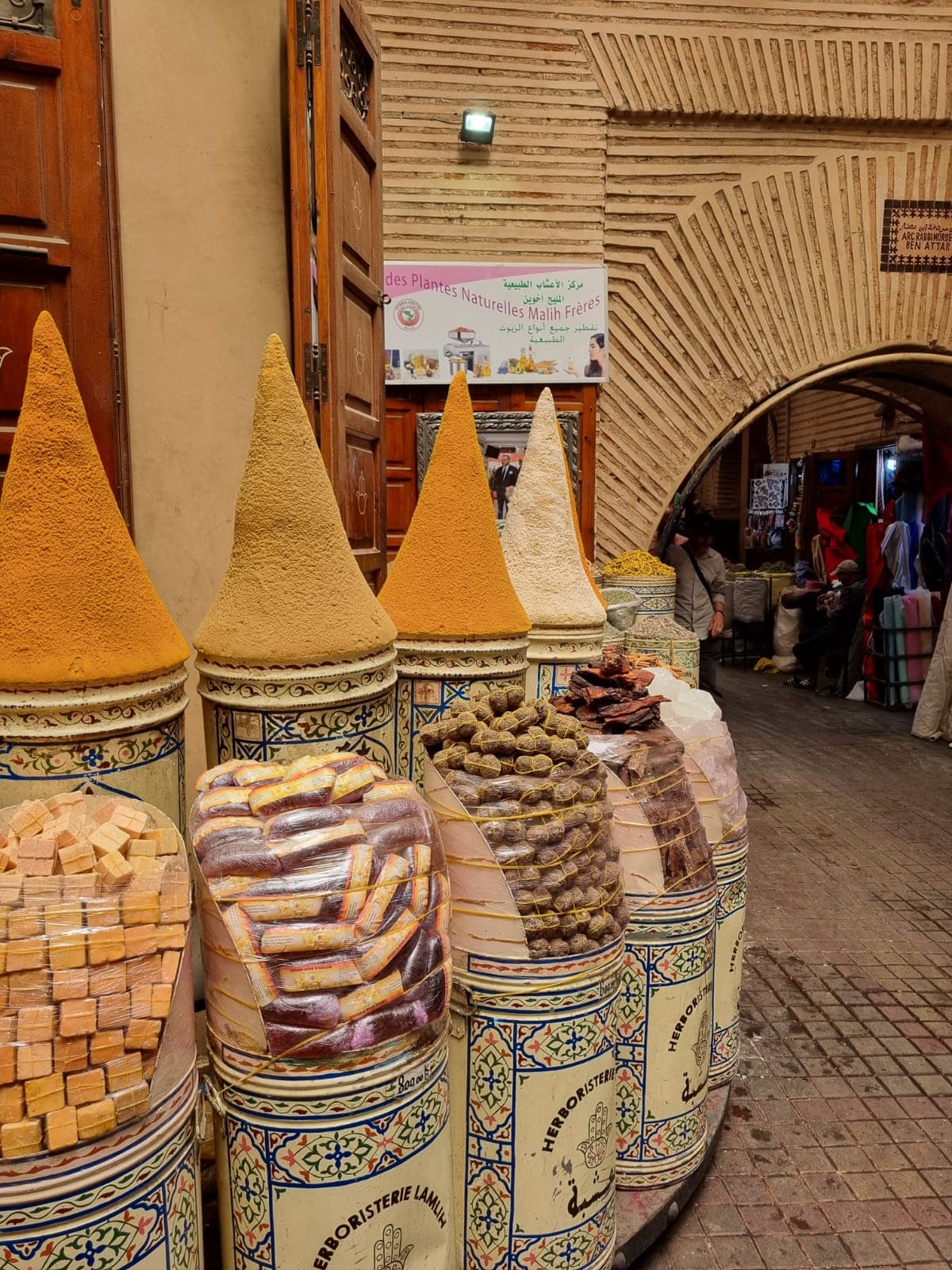
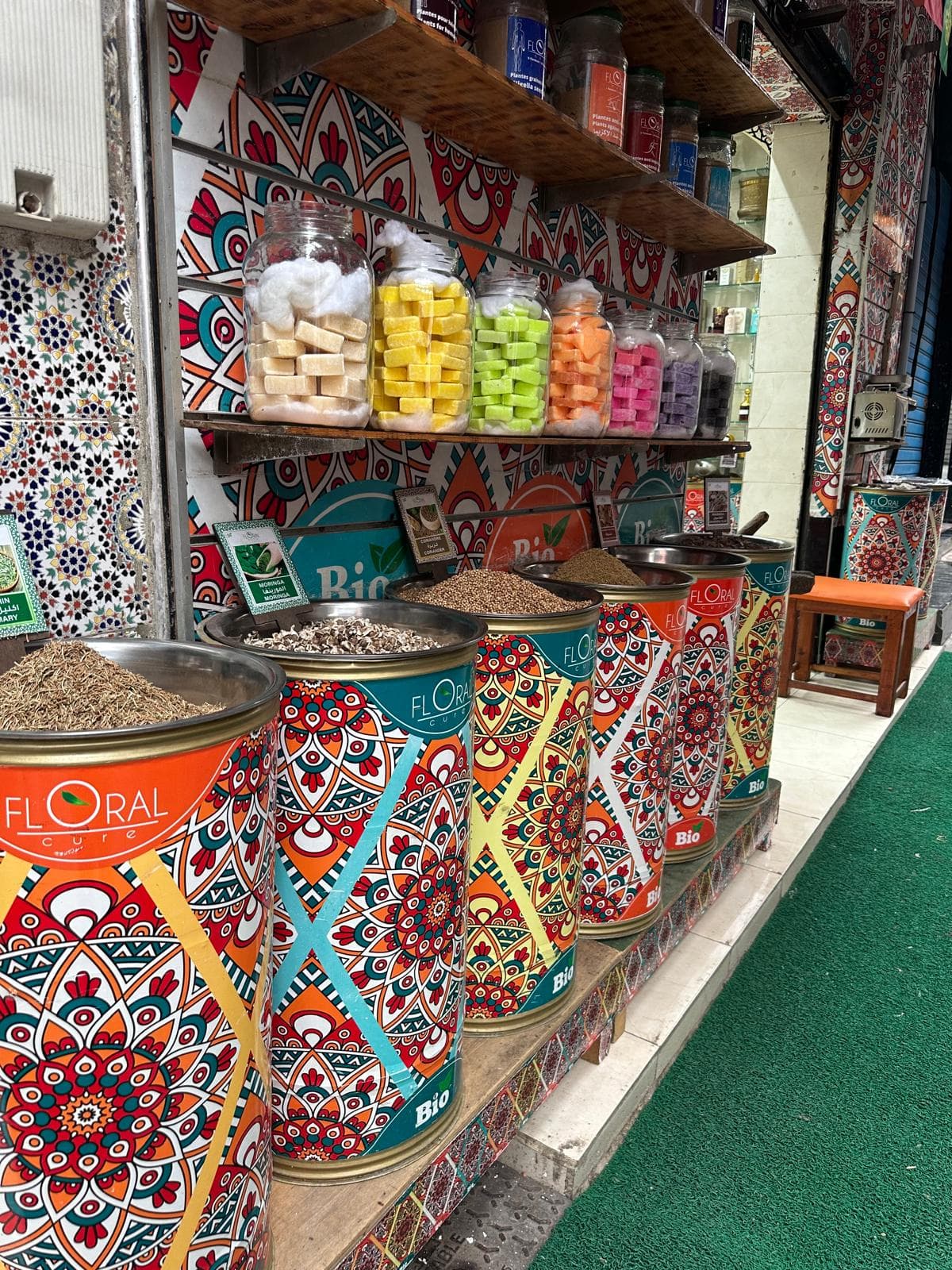
The good classes start in the souk with an empty basket. What to look for when booking, what you should actually learn, and how to buy spices, argan oil and preserved lemons without being sold the tourist grade.

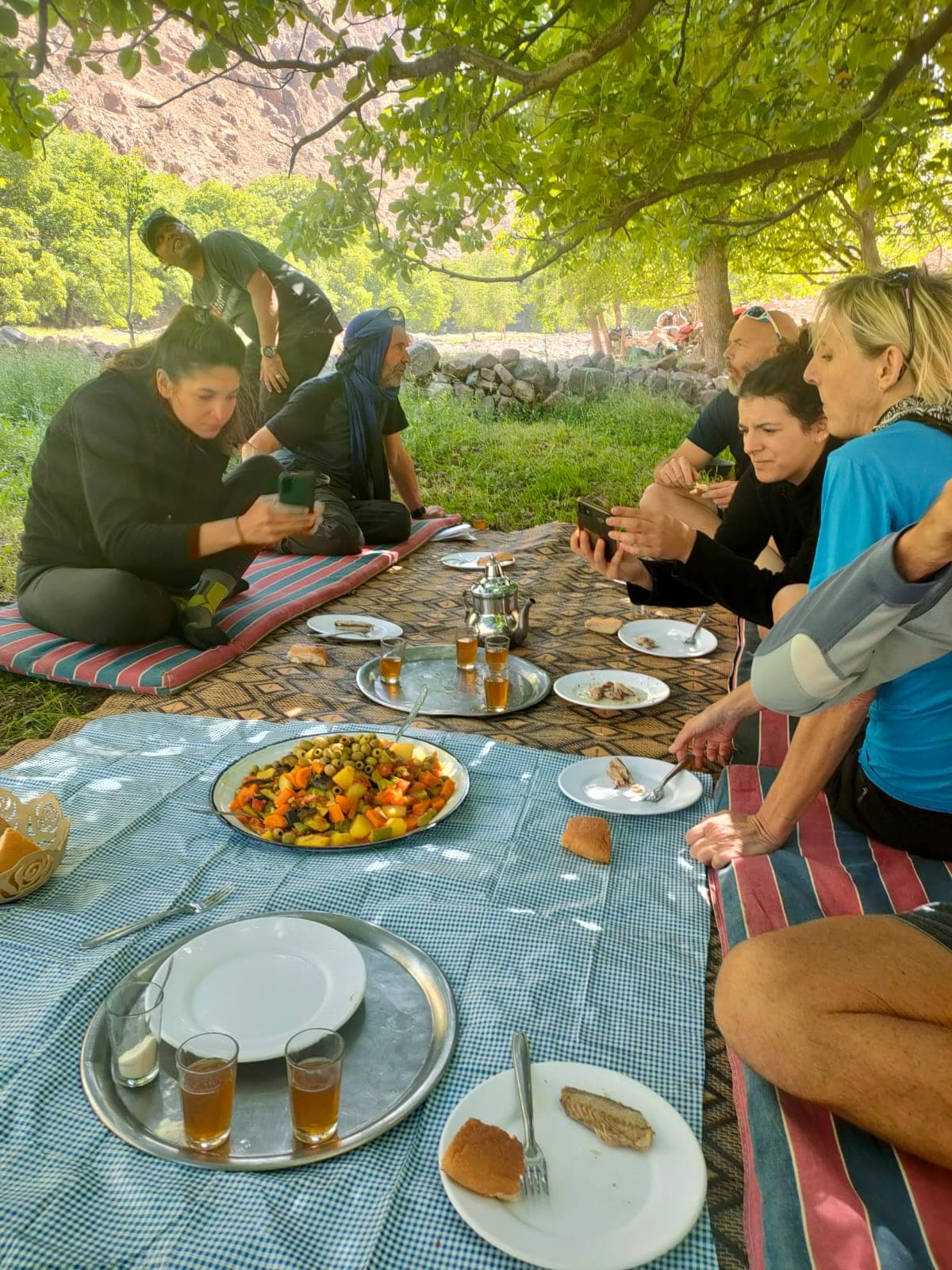
A Fez tagine and a Marrakech tagine are different dishes. The regional map of Moroccan cooking — Fassi refinement, Marrakchi smoke, Souss argan, Rif mountain food and the Saharan bread baked in sand.
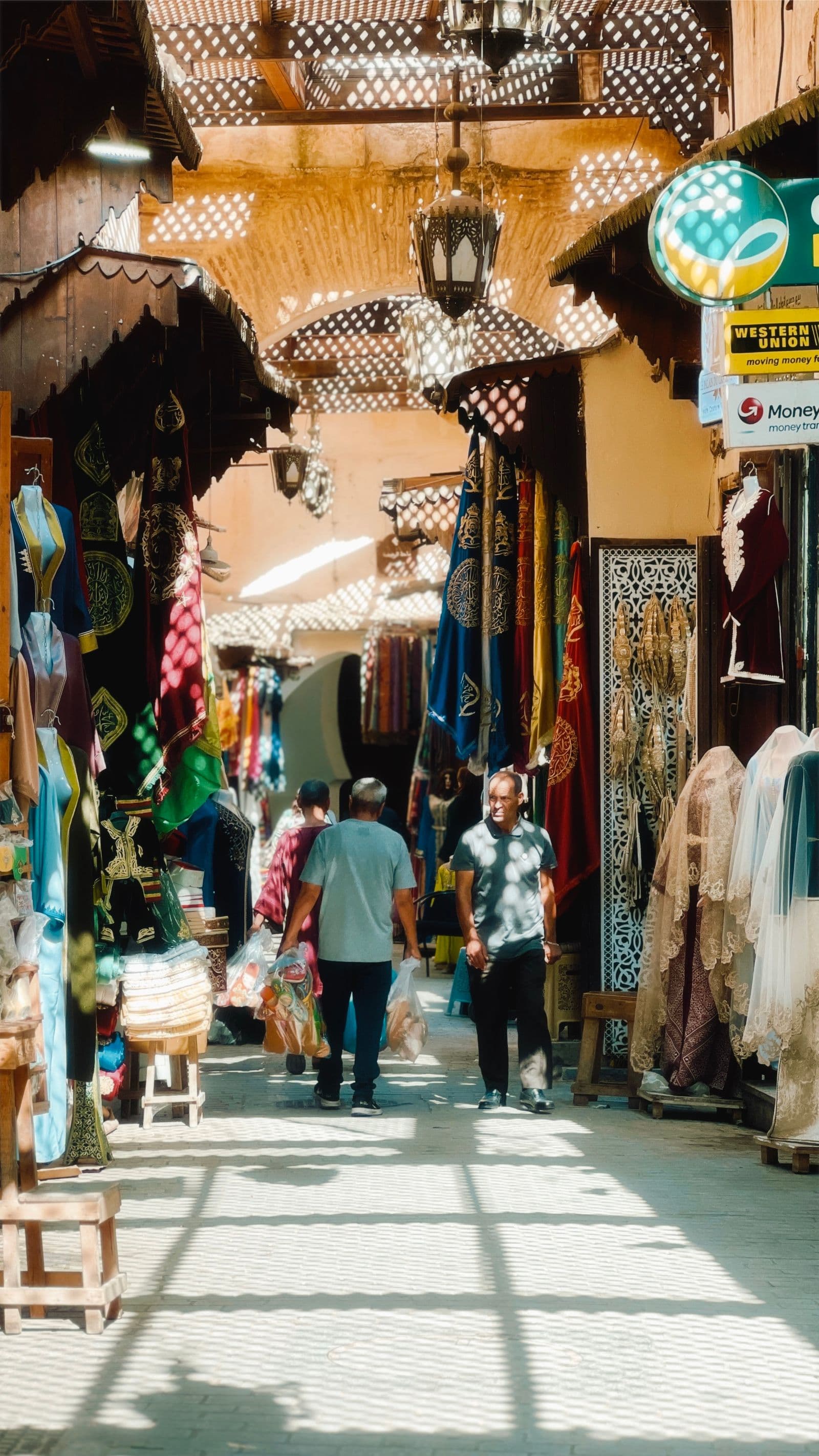
Beyond tagine and couscous. The dishes worth seeking out, the ones that only exist for tourists, and the Friday-and-Ramadan rhythms that decide what is actually cooking.

Une semaine, évaluée honnêtement. La boucle classique Marrakech–Sahara–Atlas, ce qu'elle coûte en heures de route, et les trois façons de gâcher sept jours en ajoutant une ville de trop.

Une liste construite autour du vrai problème : un seul voyage qui peut contenir une médina à 45 °C, un sommet à 4 000 mètres et une nuit dans le désert proche de zéro. Ce qui mérite sa place dans le sac.

Real numbers in dirham: riads, meals, guides, transfers and desert camps at three budget levels — plus where the money quietly leaks out of a trip.

Toubkal, the M'Goun traverse, the Anti-Atlas, the Sahara and Jebel Saghro compared honestly — by days, altitude, difficulty and what each one is actually like underfoot.

Où un guide est légalement obligatoire, où il transforme le voyage, et où c'est de l'argent que vous pourriez dépenser autrement. Le compte honnête d'un opérateur.

Not a desert excursion with a driver — a multi-day convoy crossing the ergs on piste, navigating by GPS and roadbook. Routes, vehicles, sand technique, permits and what it actually costs.

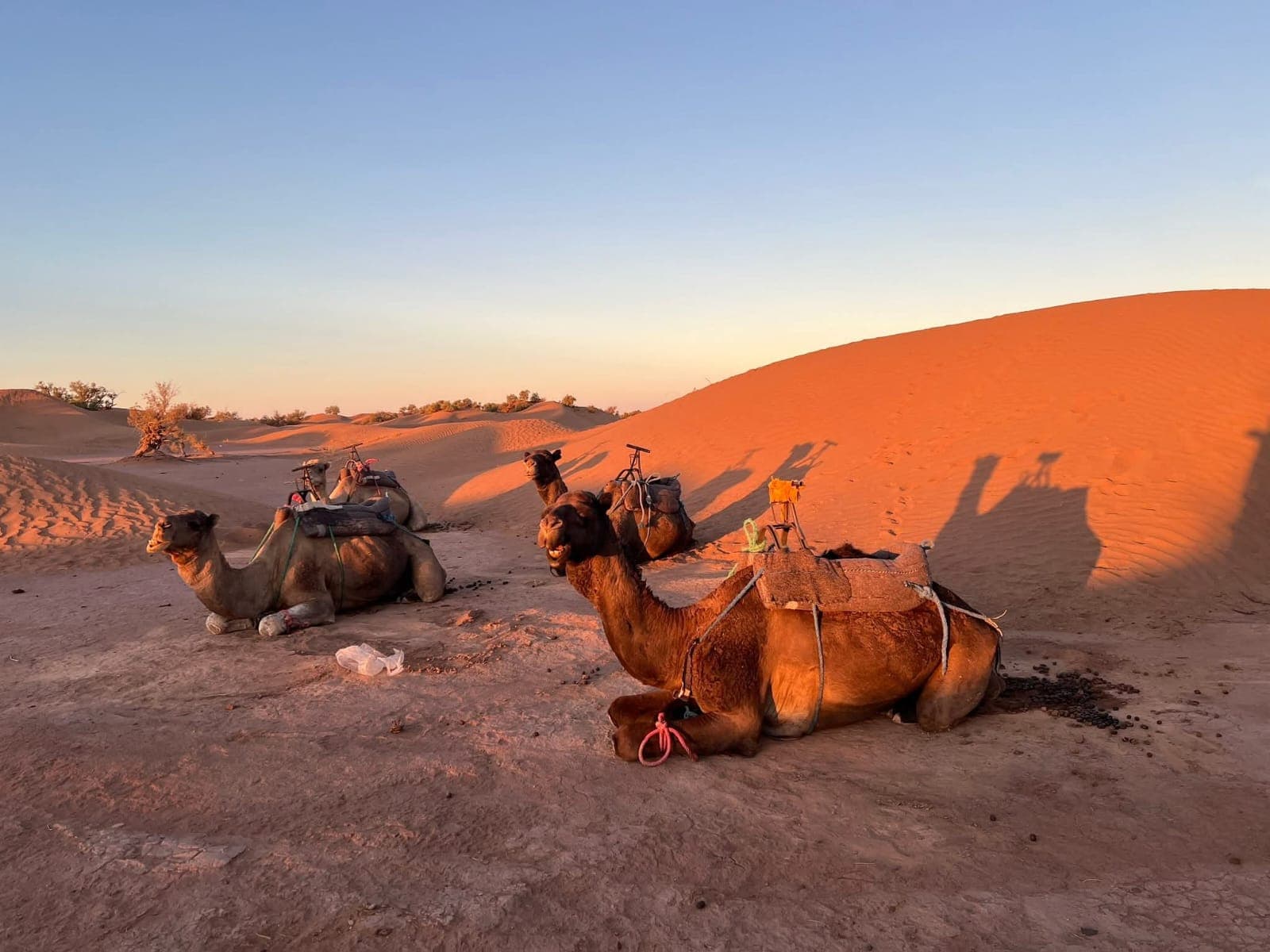
Le voyage le plus réservé du Maroc, et le plus souvent mal réservé. Ce que chaque durée achète réellement en temps de dune contre temps de route, et pourquoi la version deux jours est une erreur.

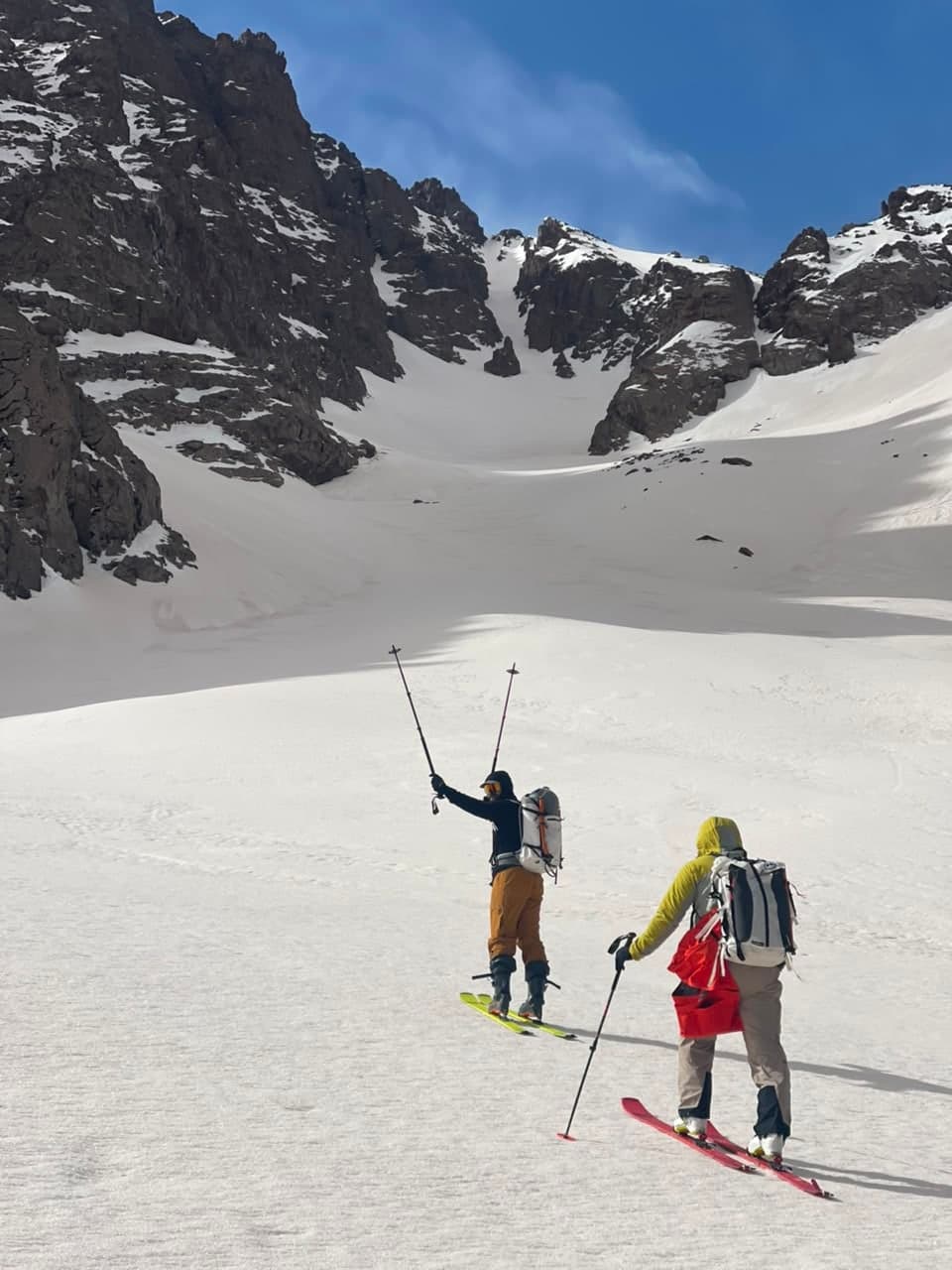
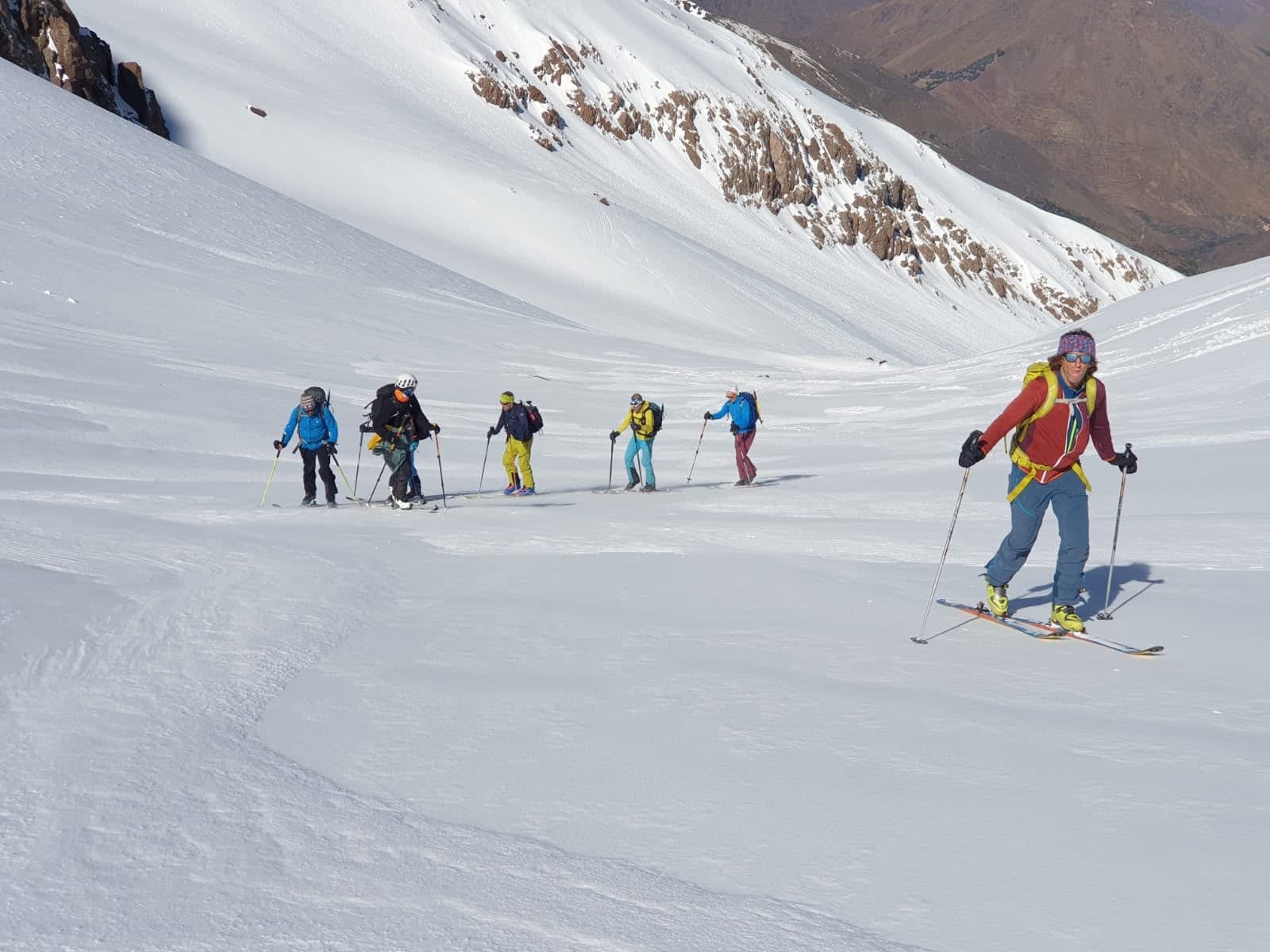
Skinning up 4,000-metre peaks with the Sahara on the horizon. The season, the routes off Toubkal and Oukaimeden, avalanche reality, what to bring, and why Morocco is the most underrated touring country in reach of Europe.

The full list is long and half of it is filler. What genuinely rewards your time in the medina, what to skip, and what to do in the evening when the square turns over.

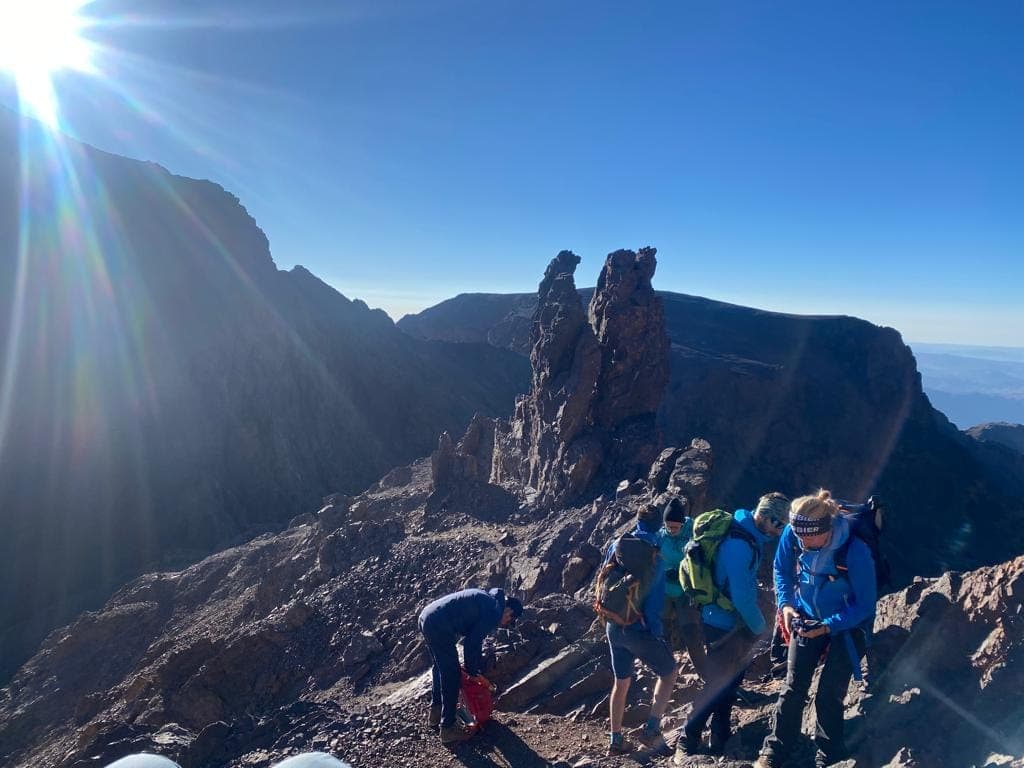
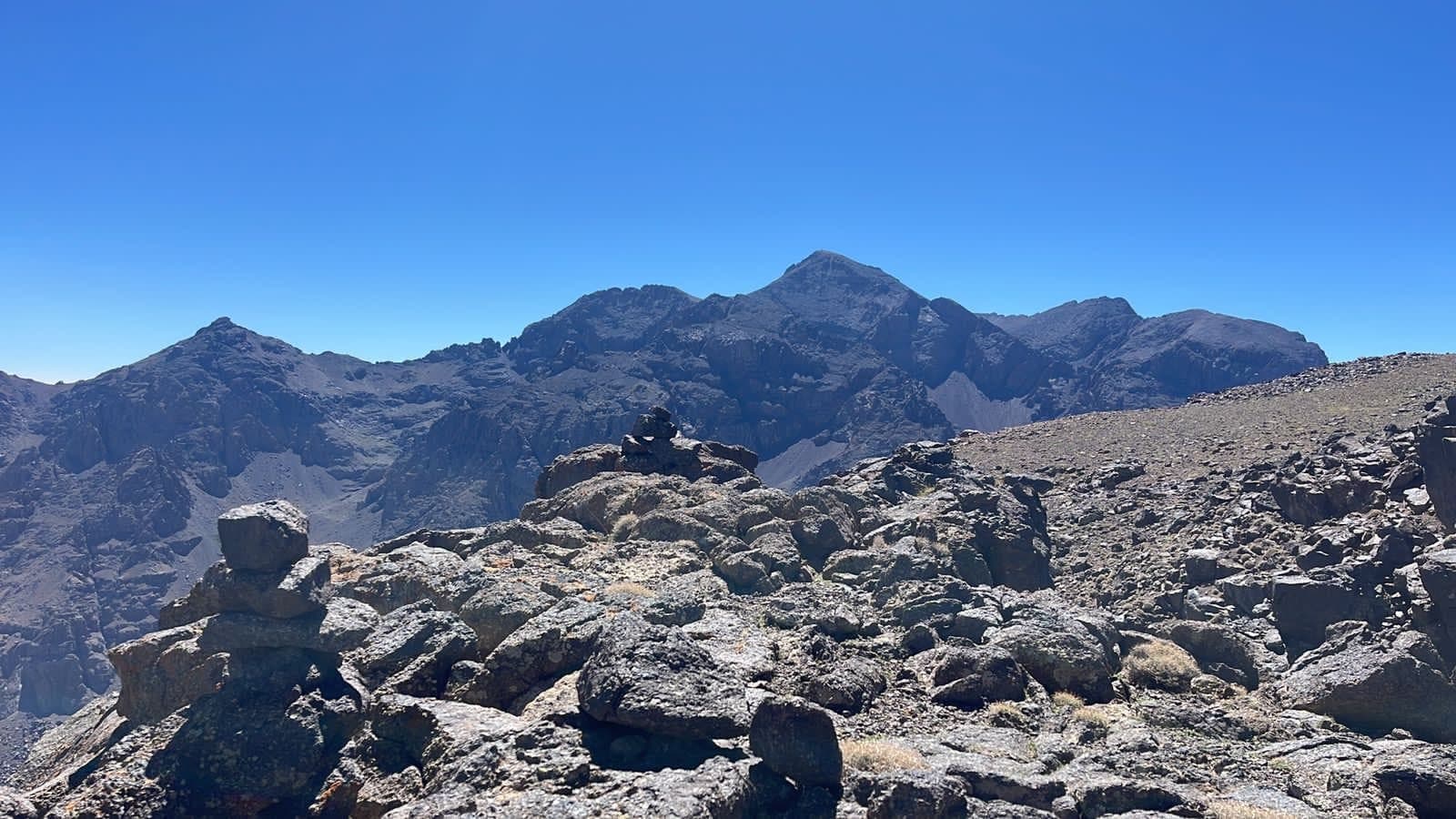
Le plus haut sommet d'Afrique du Nord se monte à pied, sans technique — mais à 4 167 mètres, il ne pardonne pas la légèreté. Saisons, refuge, guide obligatoire et altitude.

Cent mètres de moins que le Toubkal et une fraction de sa fréquentation. Six jours depuis la vallée heureuse, par un sommet à 4 068 mètres et des gorges que l'on traverse à gué.

Le Maroc a deux grandes mers de sable, et elles offrent des voyages réellement différents. On accède à l'une sur le goudron ; l'autre coûte soixante kilomètres de piste.

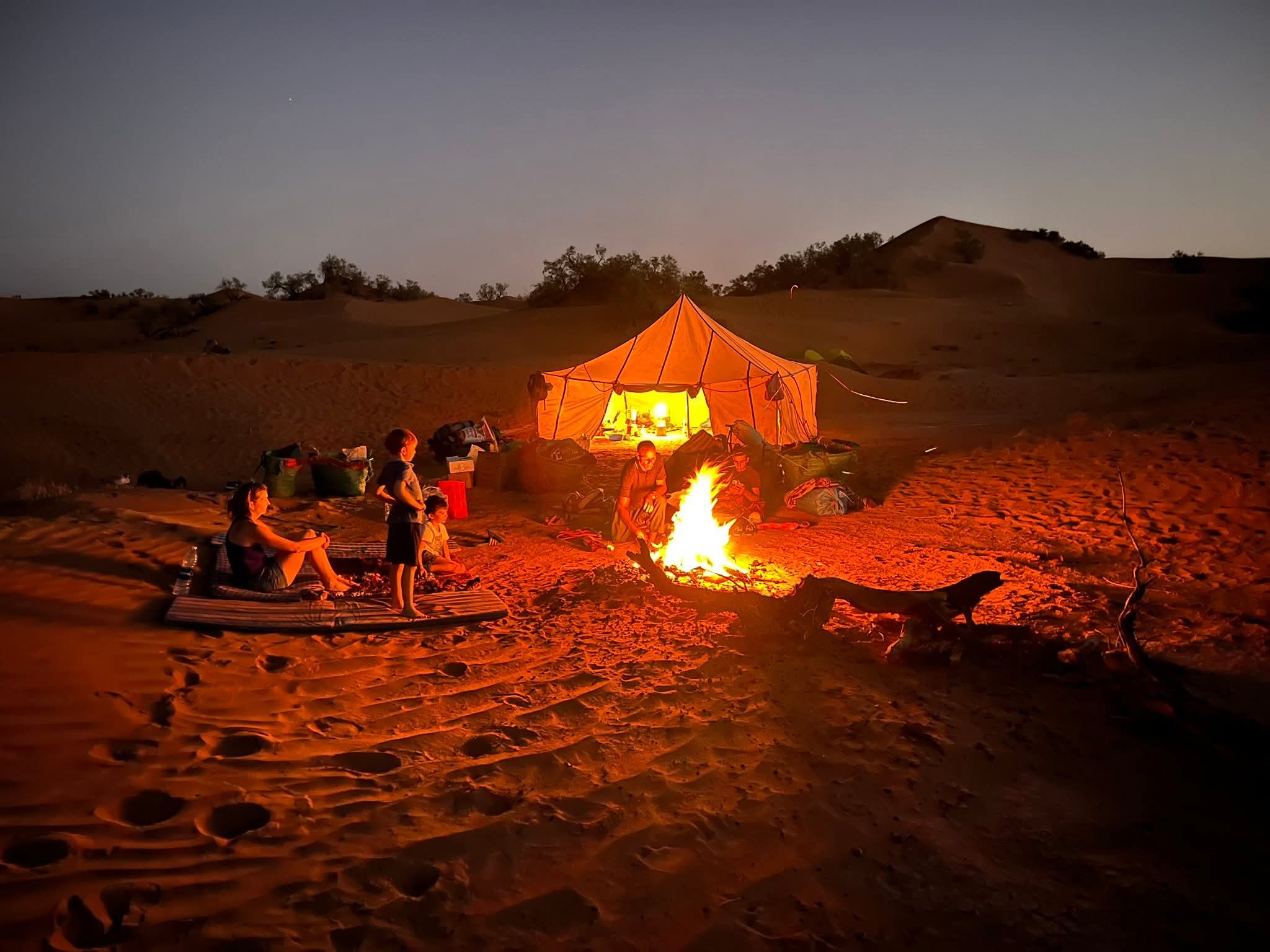
The word covers everything from a rug on the sand to a tented suite with plumbing. Knowing which one you have booked is the difference between a good night and a long one.

Fès, Meknès, Rabat et Marrakech ont chacune régné sur le Maroc. Le circuit fonctionne — à condition d'en respecter l'ordre et le rythme.

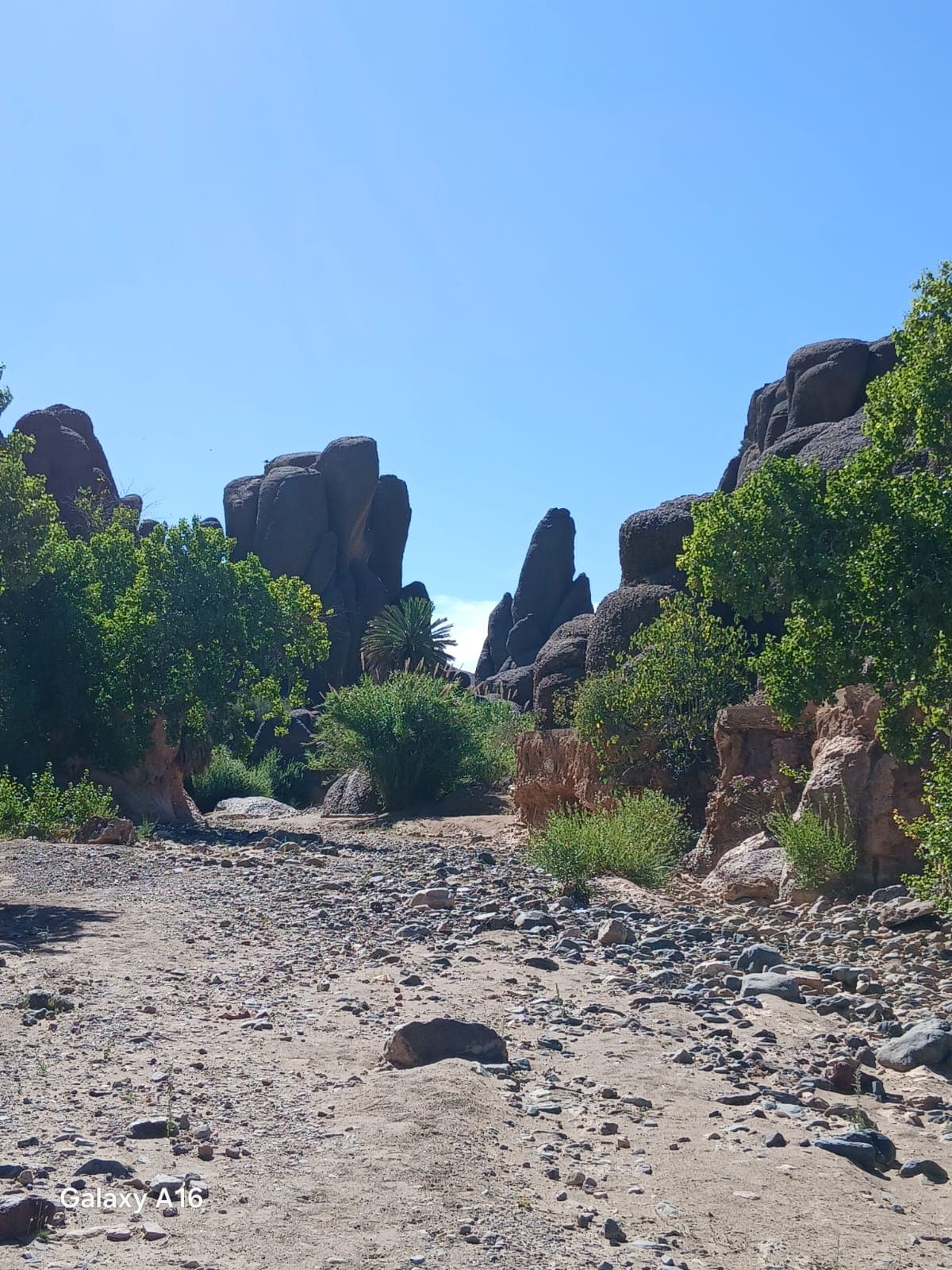
Older than the High Atlas, lower, drier and almost empty of visitors. Painted rock, almond terraces, and granite the colour of rust.

Hospitality in the Atlas is a real obligation, not a performance — which is exactly why it can be strained by visitors who do not know what is being offered.

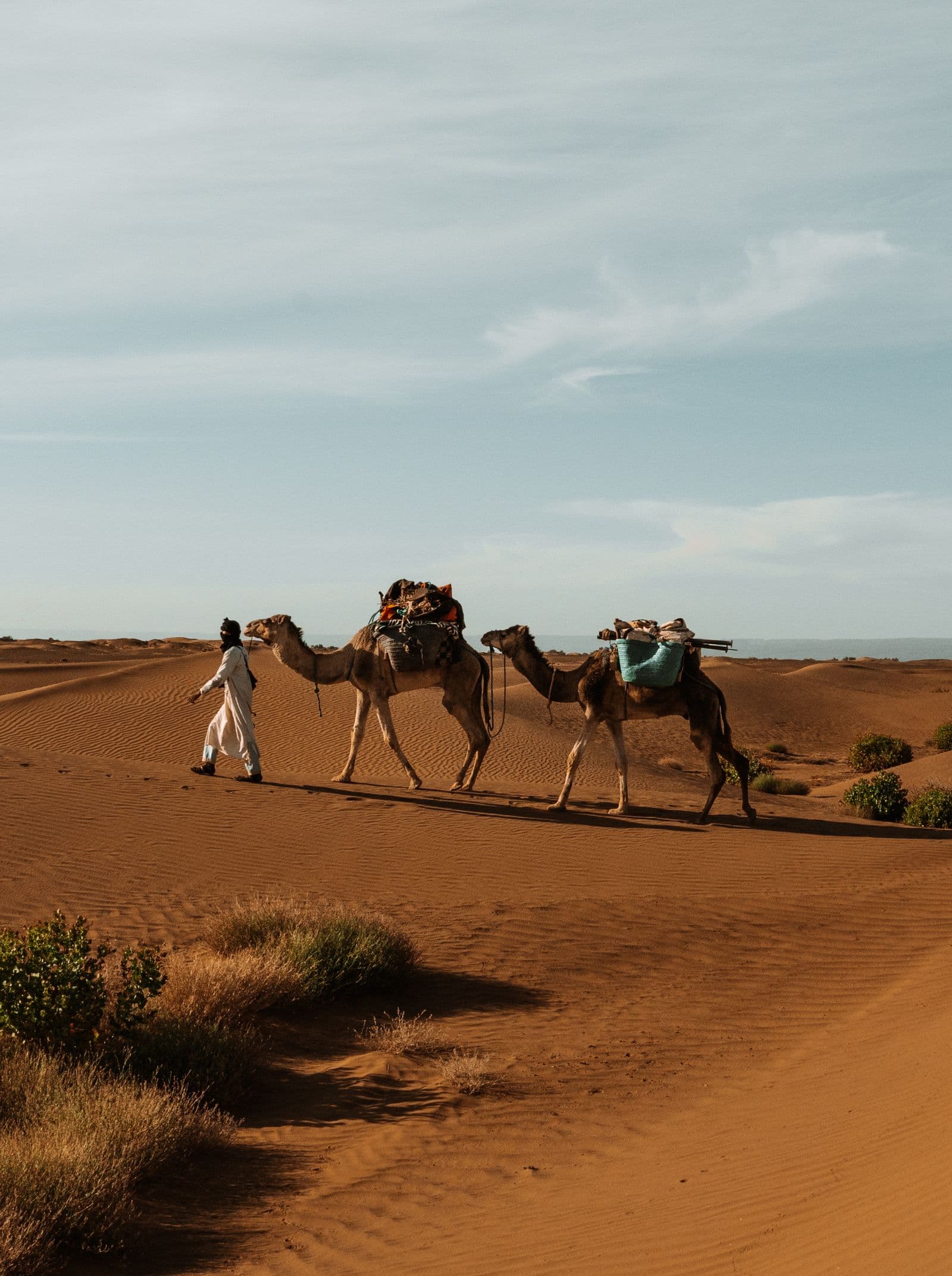
Before the 4×4 transfer and the fixed camp, the desert was crossed on foot at the pace of a loaded camel. A handful of routes still work that way.

It is one of the easier countries to travel with kids — children are genuinely welcome everywhere. The difficulty is distance, heat and the medina at three in the afternoon.

Not dangerous, frequently tiring. What actually happens, what reduces it, and why the trips women report enjoying most are the ones that leave the cities.

Group trips fail on decisions, not distance. A route that suits six people with different budgets, different fitness and one person who wants to shop.

A tailored trip is not a package with your name on it. Here is what genuinely changes when a trip is built for you, and when it is not worth the money.

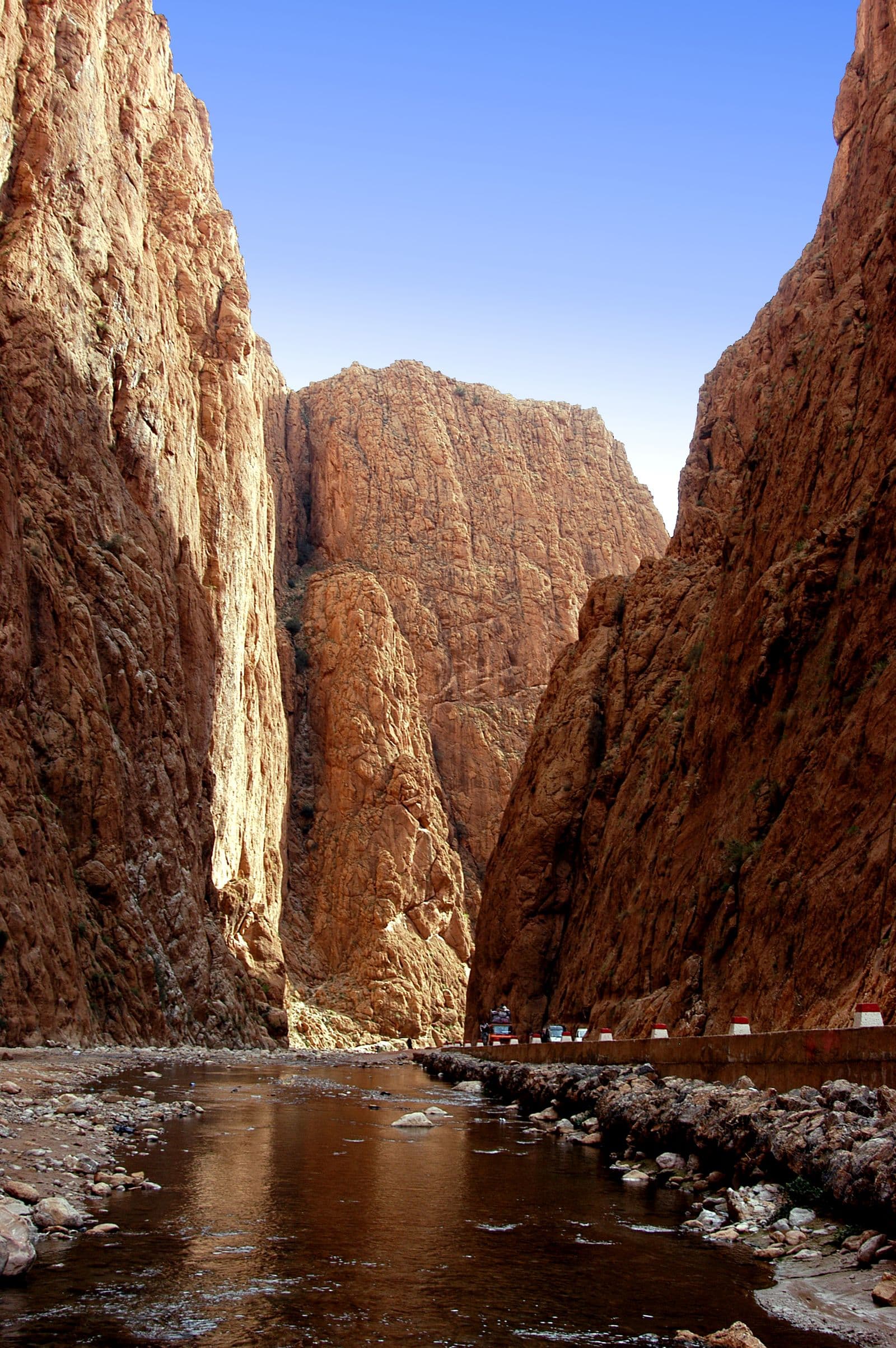
Over the Tichka, down the Drâa, through the gorges and back. The classic multi-day route south of Marrakech, and how to drive it without spending the week in the car.

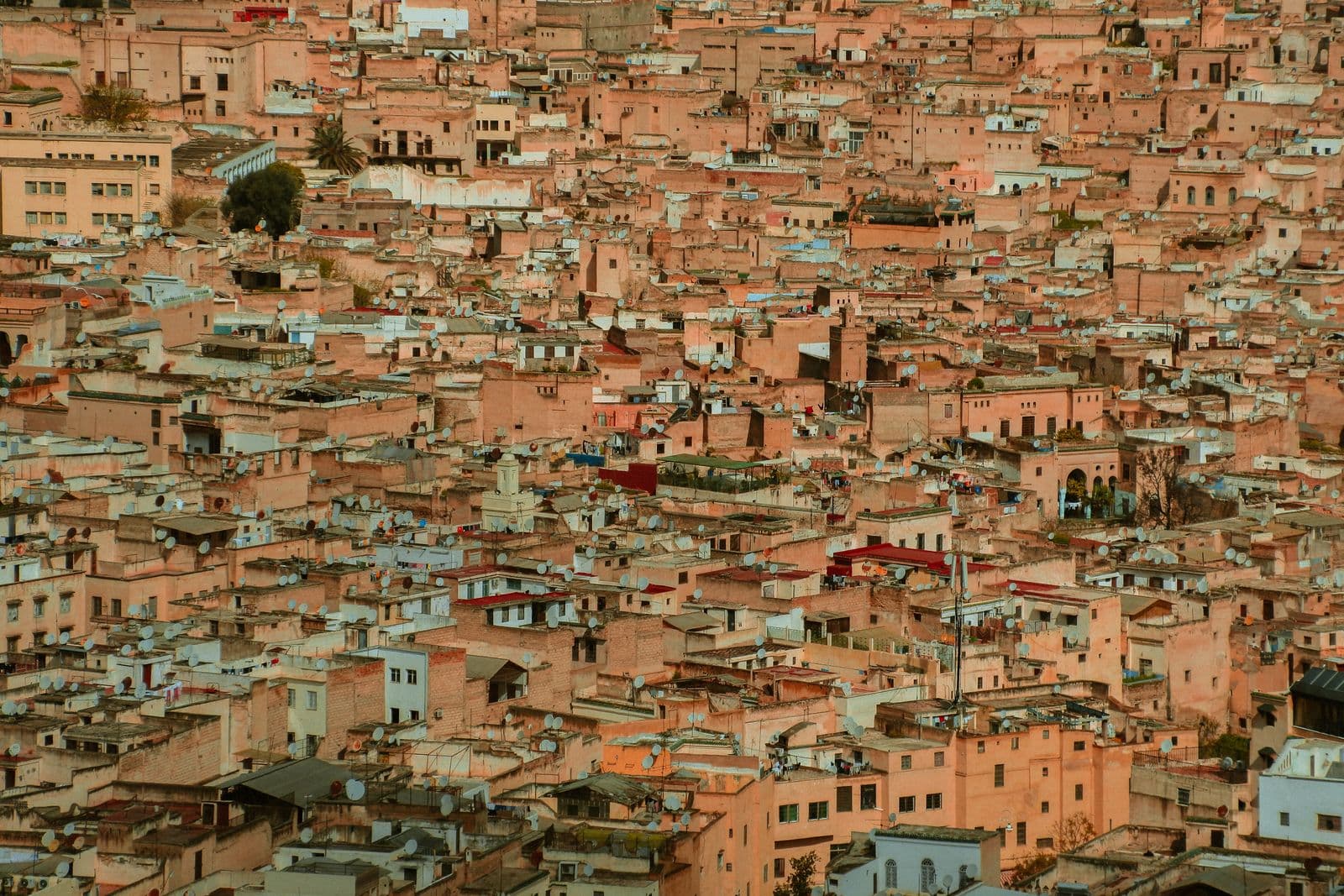
Arriving in the red city for the first time, and the hour it takes to stop trying to understand it.

The country has walking at every altitude from sea level to 4,167 metres, which means somewhere is always in season — and somewhere is always a mistake.

A medina market is not a random sprawl. It is organised by trade, by smell, by noise and by proximity to the mosque — and once you see the logic you stop getting lost.

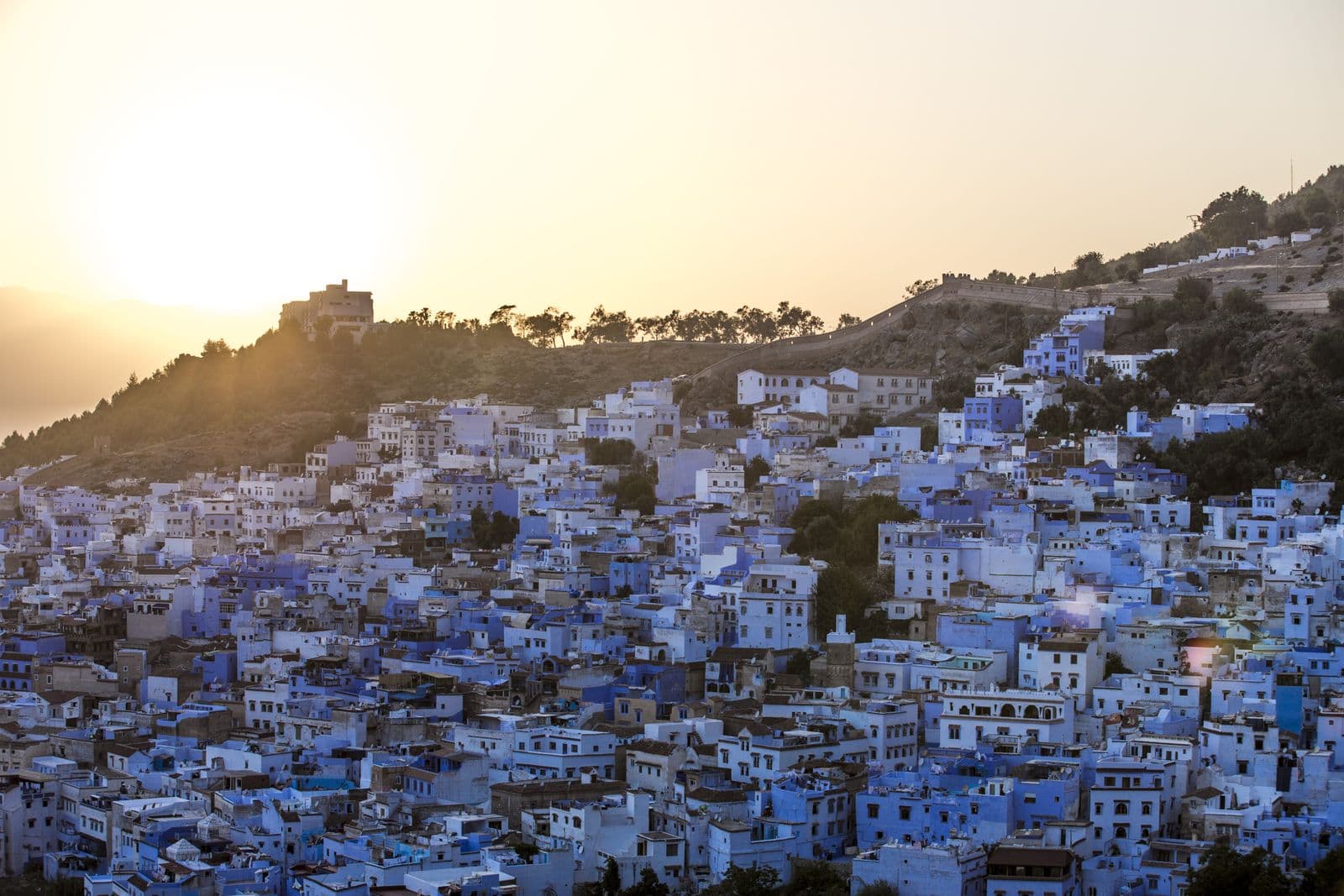
The blue town is genuinely worth the trip and takes about a day. The mountains it sits in are the least-visited range in Morocco and take considerably longer.

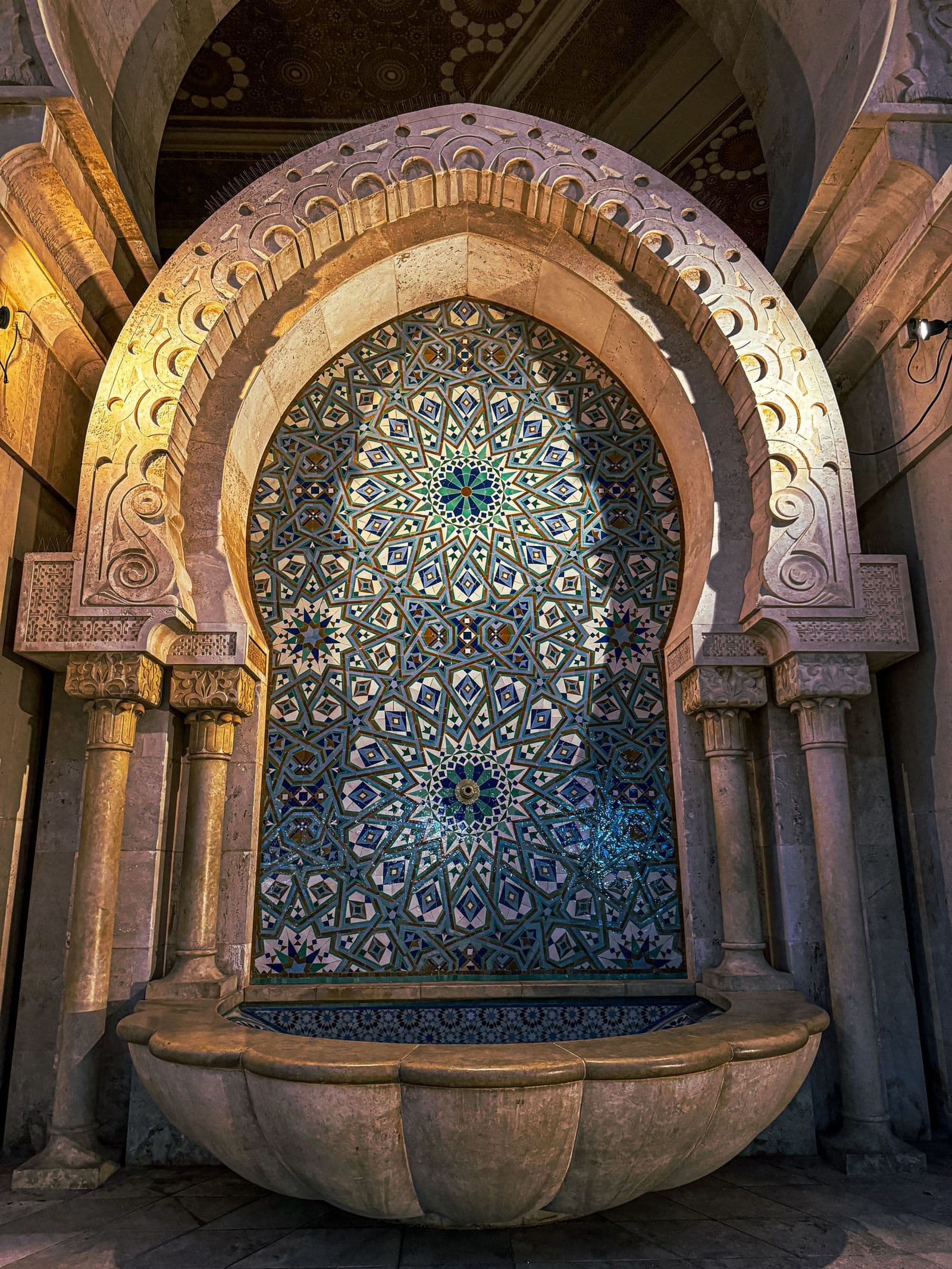
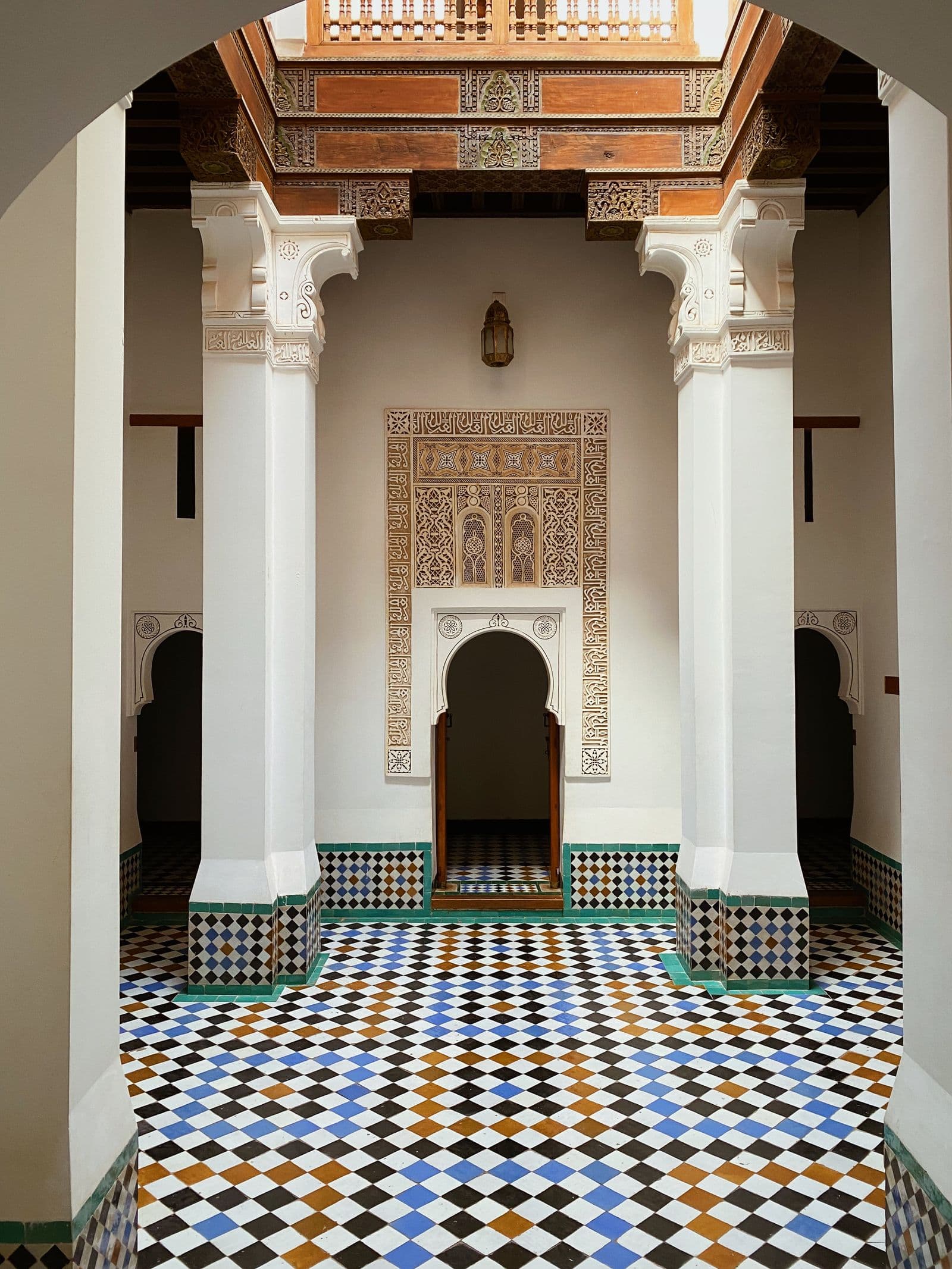
Every Moroccan tile pattern begins with an eight-pointed star, and every eight-pointed star begins with two squares.

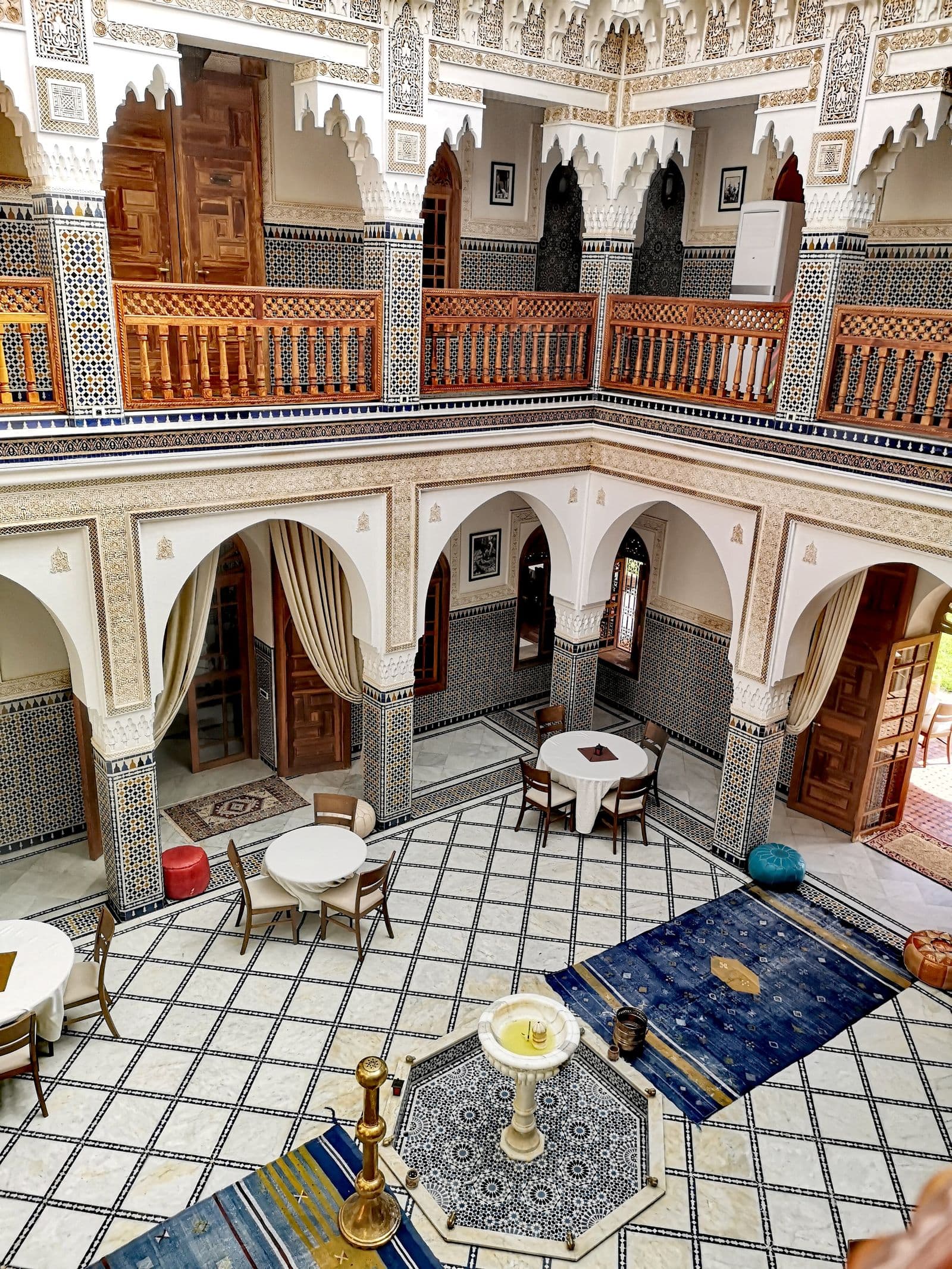
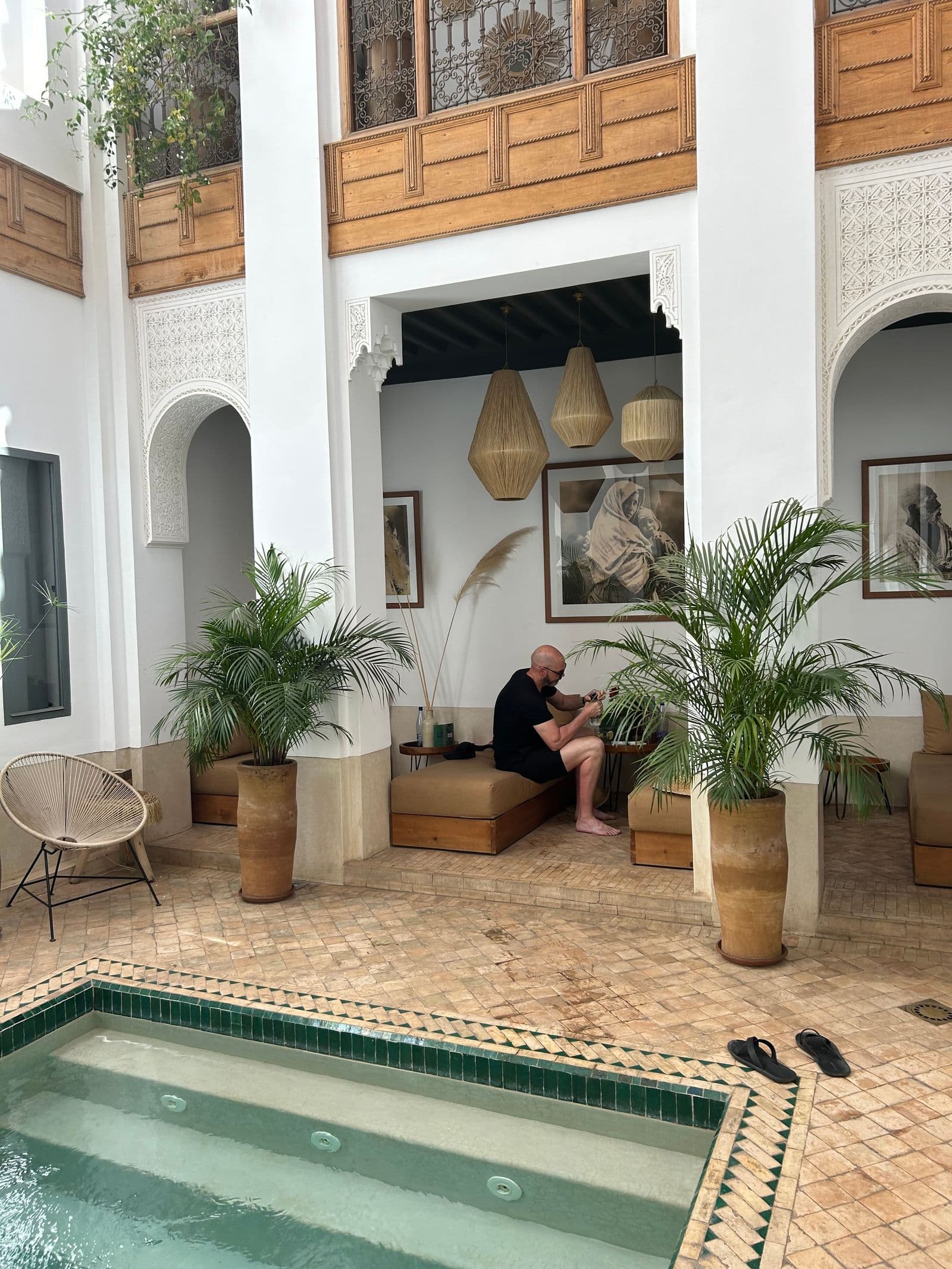
The Moroccan courtyard house turns its back on the street entirely — and that single decision explains everything else about it.

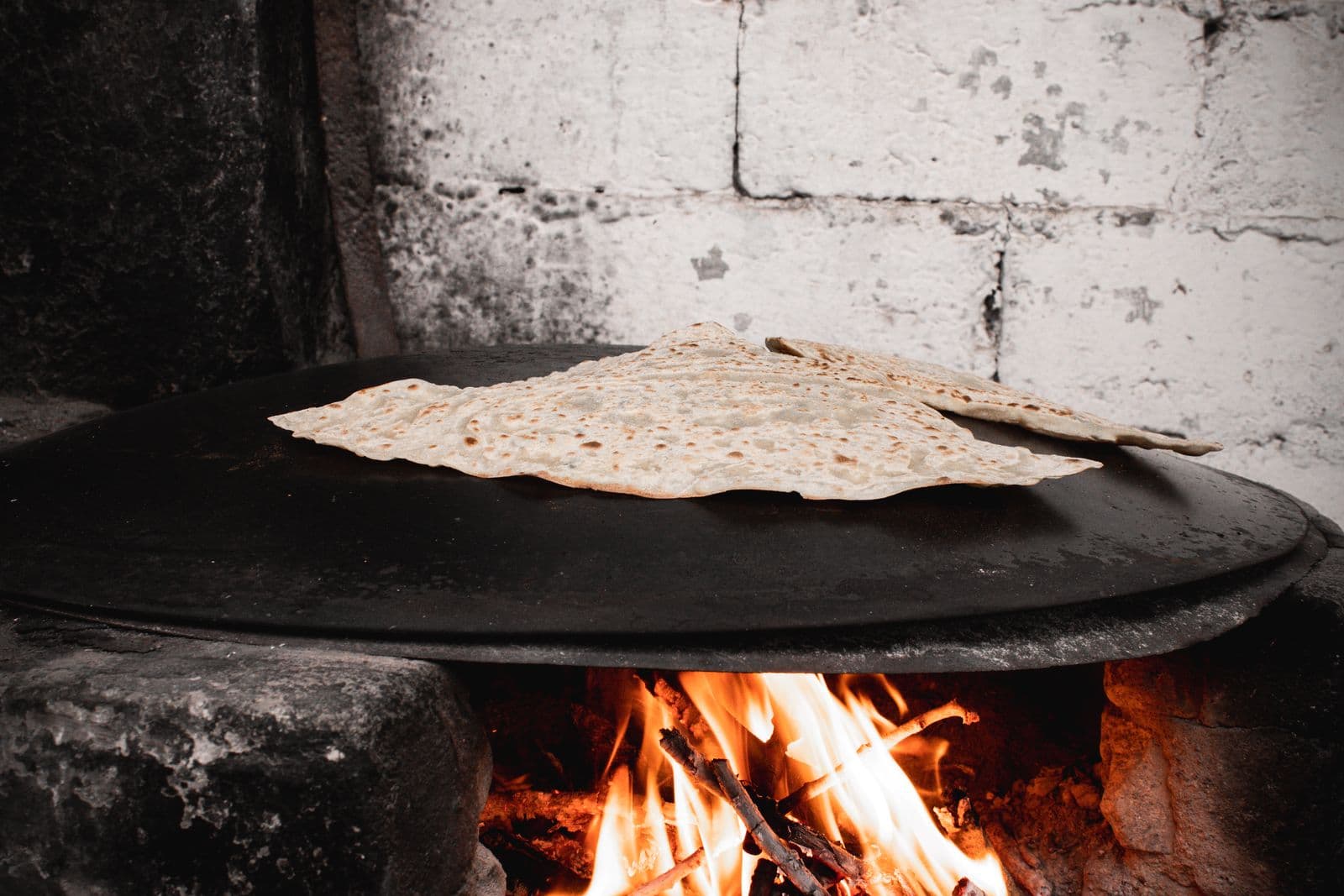
In the old medina, families still carry their dough to a shared oven — and the man who bakes it knows every household by their loaf.

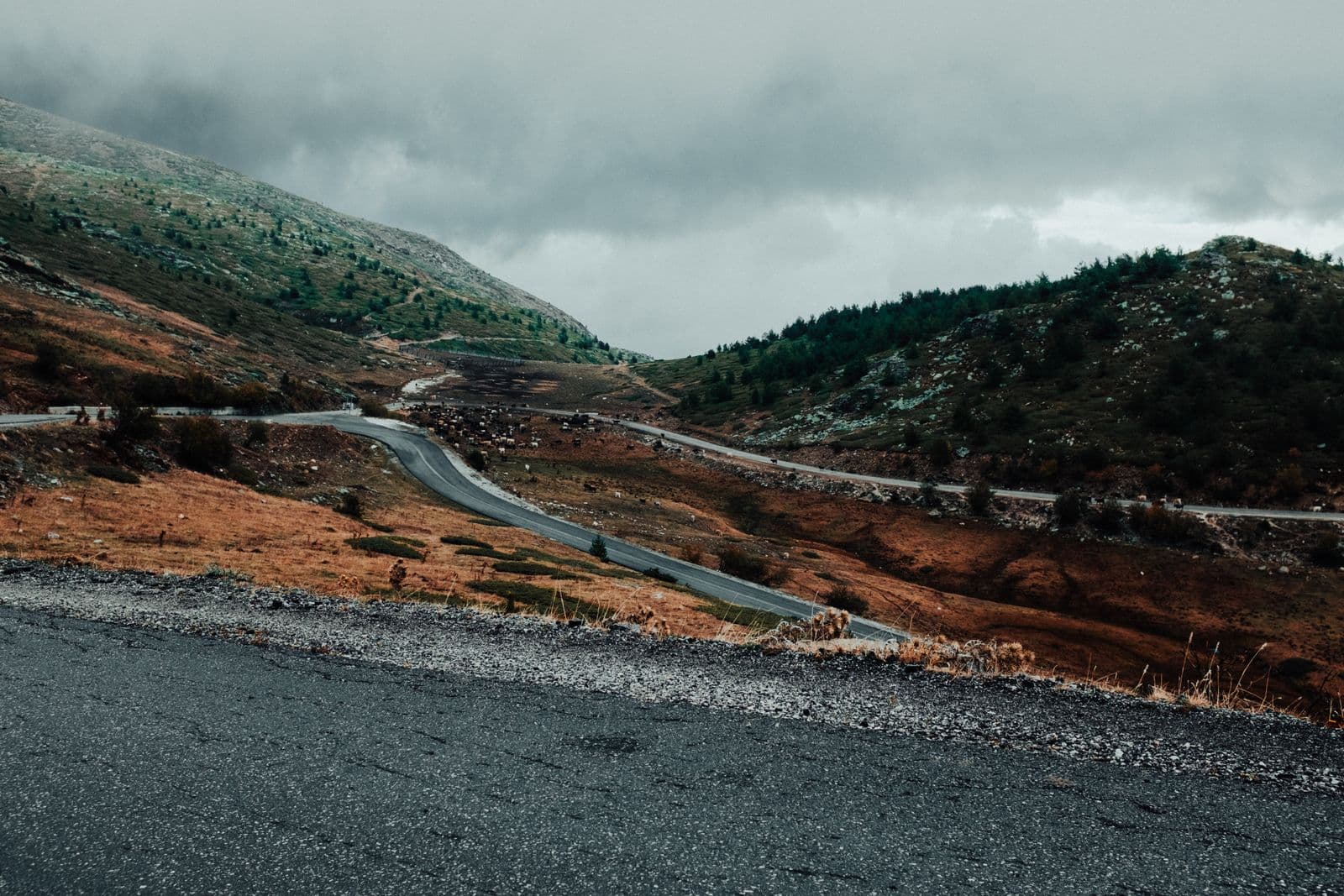
Two thousand two hundred and sixty metres, a hundred and eighty kilometres of switchbacks, and the moment the country changes completely.

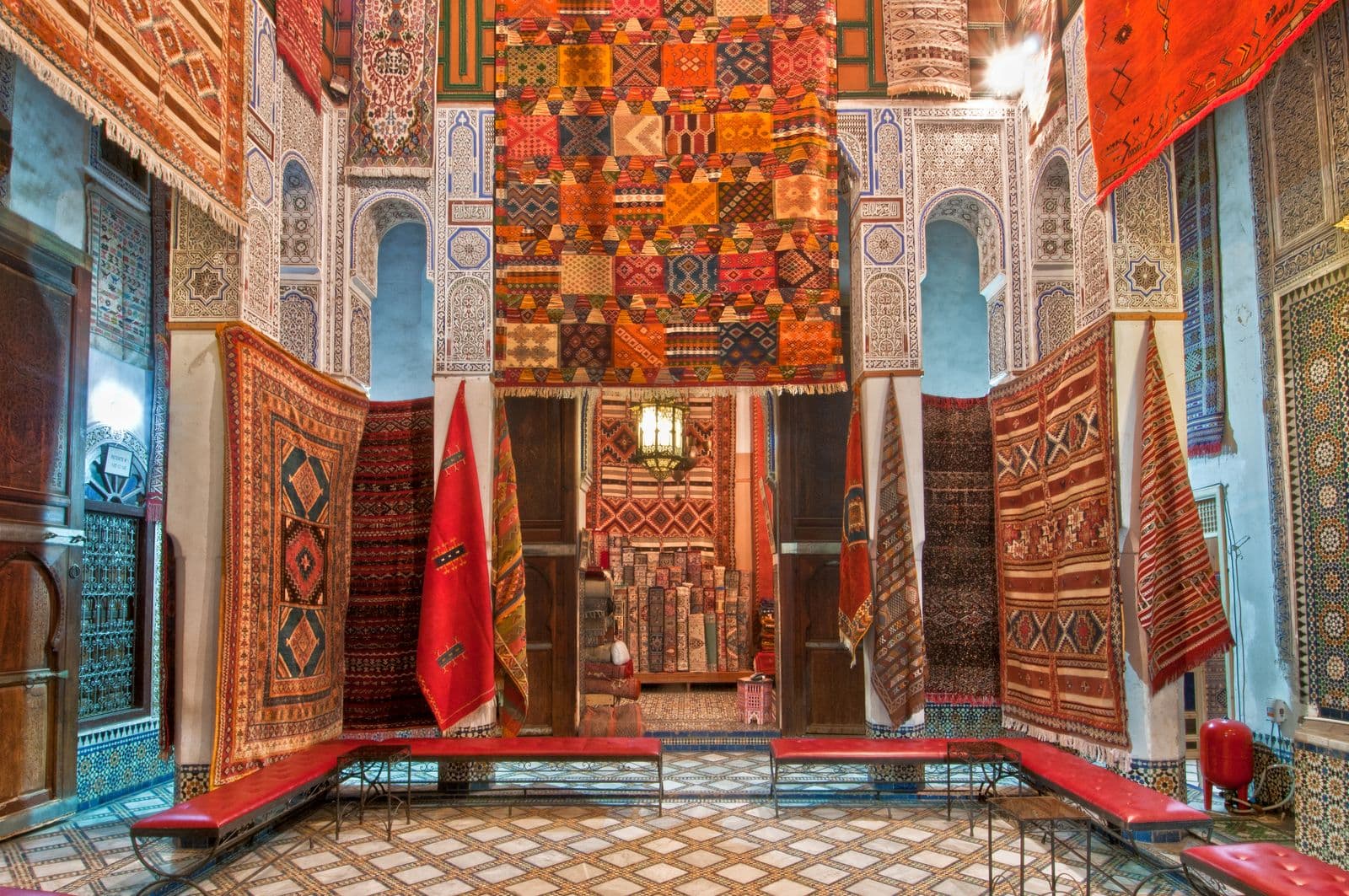
Amazigh women encoded a written language into wool for centuries — zigzag for water, diamond for protection, and a vocabulary most buyers never notice.