Two things are true at once and most writing on this subject picks one.
Morocco is not dangerous for women in the sense that matters most: violent crime against tourists is rare, and the great majority of trips pass without incident. Morocco is also, for many women, persistently wearing in the cities — a constant low-level stream of comments, follows and attention that is not threatening individually and is genuinely exhausting cumulatively.
Both. Neither cancels the other.
What actually happens
In the medinas of Marrakech and Fez, and around the main squares, expect to be addressed frequently by men. Most of it is commercial — shop touts, faux guides, restaurant hustlers. Some of it is comment on appearance. Occasionally someone follows for a street or two.
It is very rarely physical. When it is, it is usually a brush in a crowd that may or may not have been deliberate.
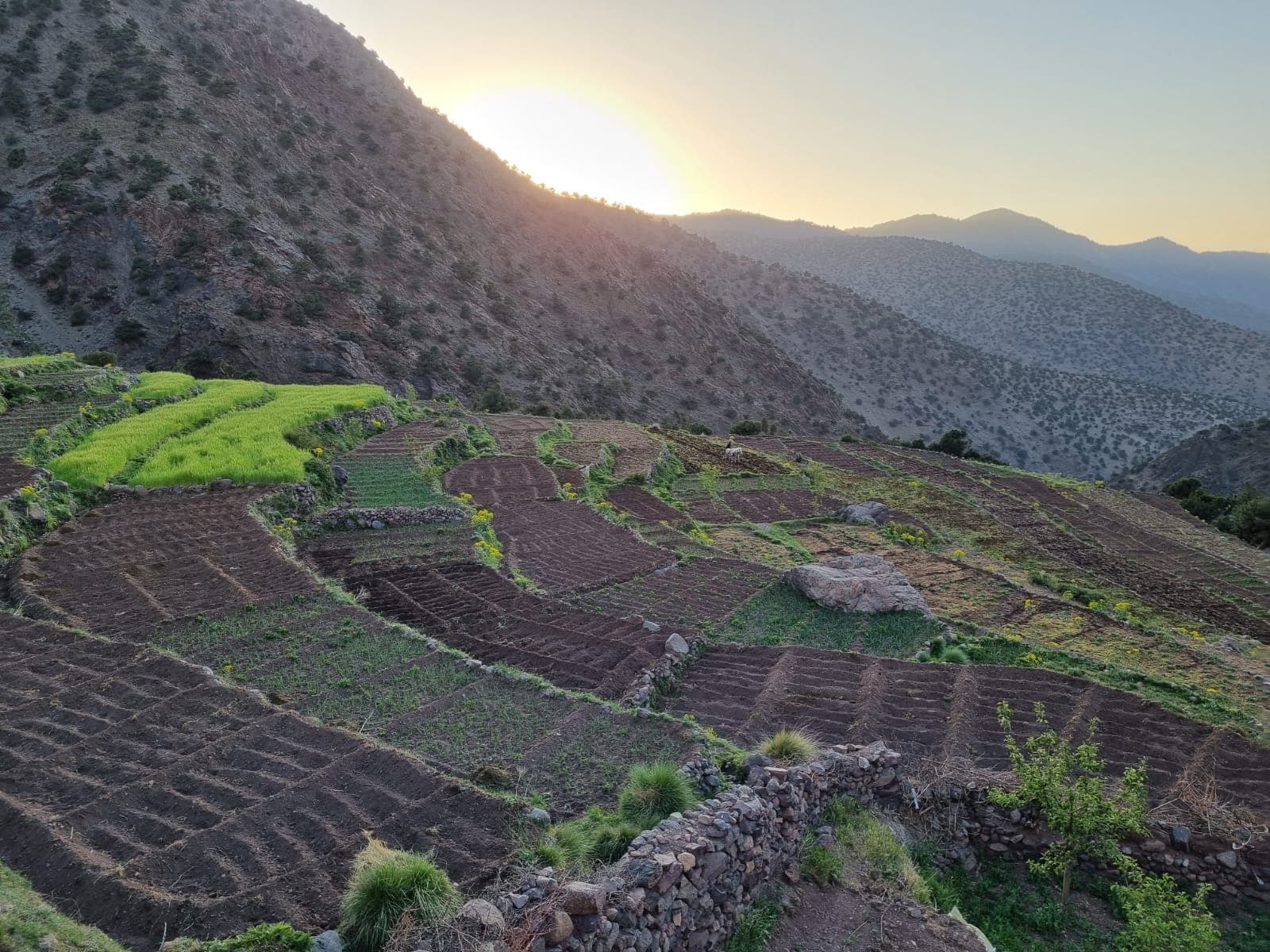
Outside the tourist cities this drops off sharply. In mountain villages, on treks, in the south, in Essaouira and Chefchaouen, most women report it barely happening at all. The intensity is a feature of high-tourist urban zones, not of the country.
What reduces it
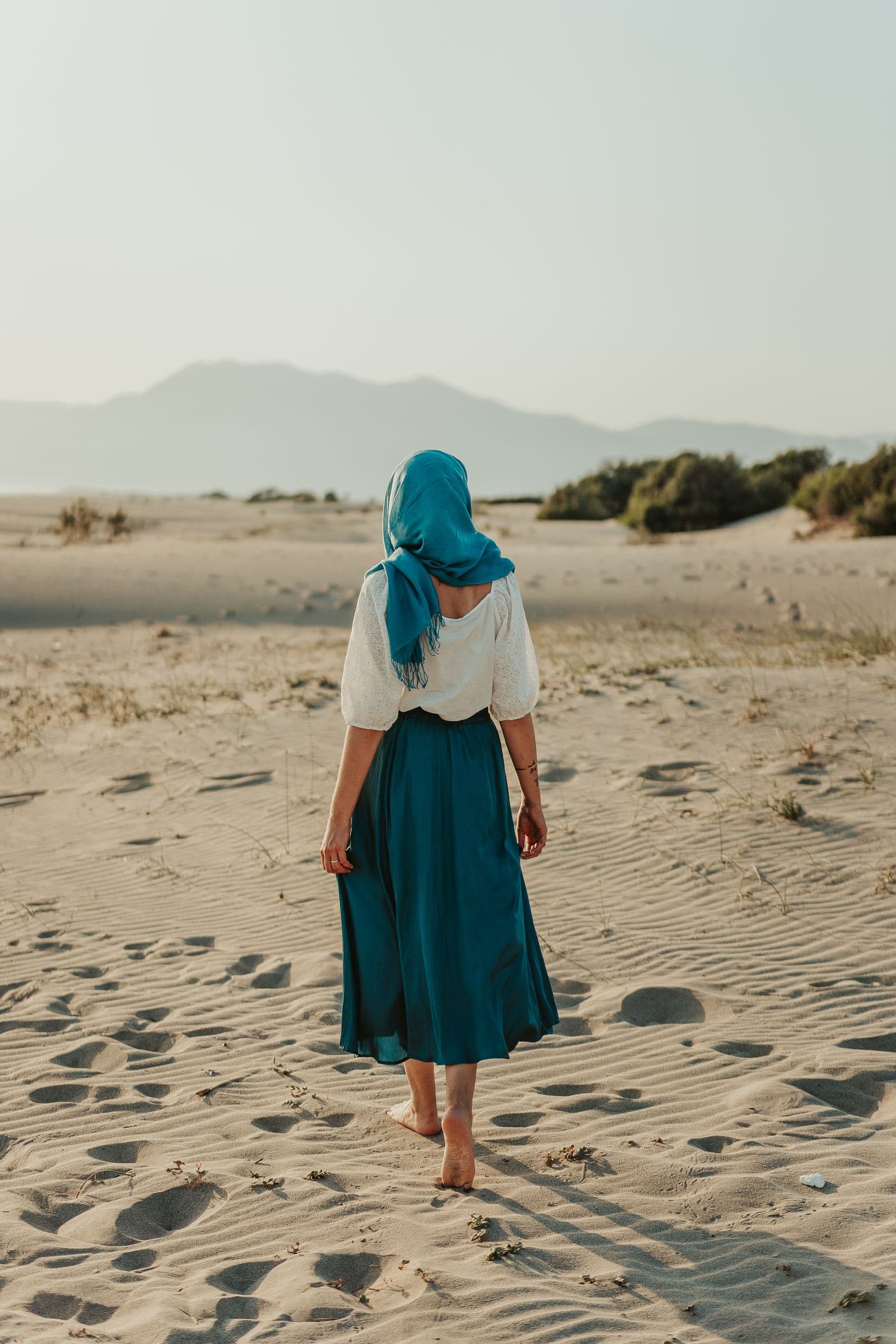
Dress. Shoulders and knees covered. Not because you owe anyone modesty, but because it measurably reduces attention and costs you very little. Loose linen in summer is more comfortable than shorts in that heat anyway. Hair does not need covering.
Sunglasses. Trivial and effective. Eye contact is read as engagement.
A destination. Walking with evident purpose gets far less attention than standing still looking at a map. Step into a shop or café to navigate.
No response. Not rude, not engaging, not smiling. Engaging — even to decline — is read as an opening. This feels impolite to most Western women and is the single highest-return adjustment.
"La, shukran." No, thank you. Said once, firmly, without stopping.
A wedding ring, real or not, and a husband who is "meeting me here." Widely recommended, widely effective, and slightly depressing that it is.
Practical arrangements
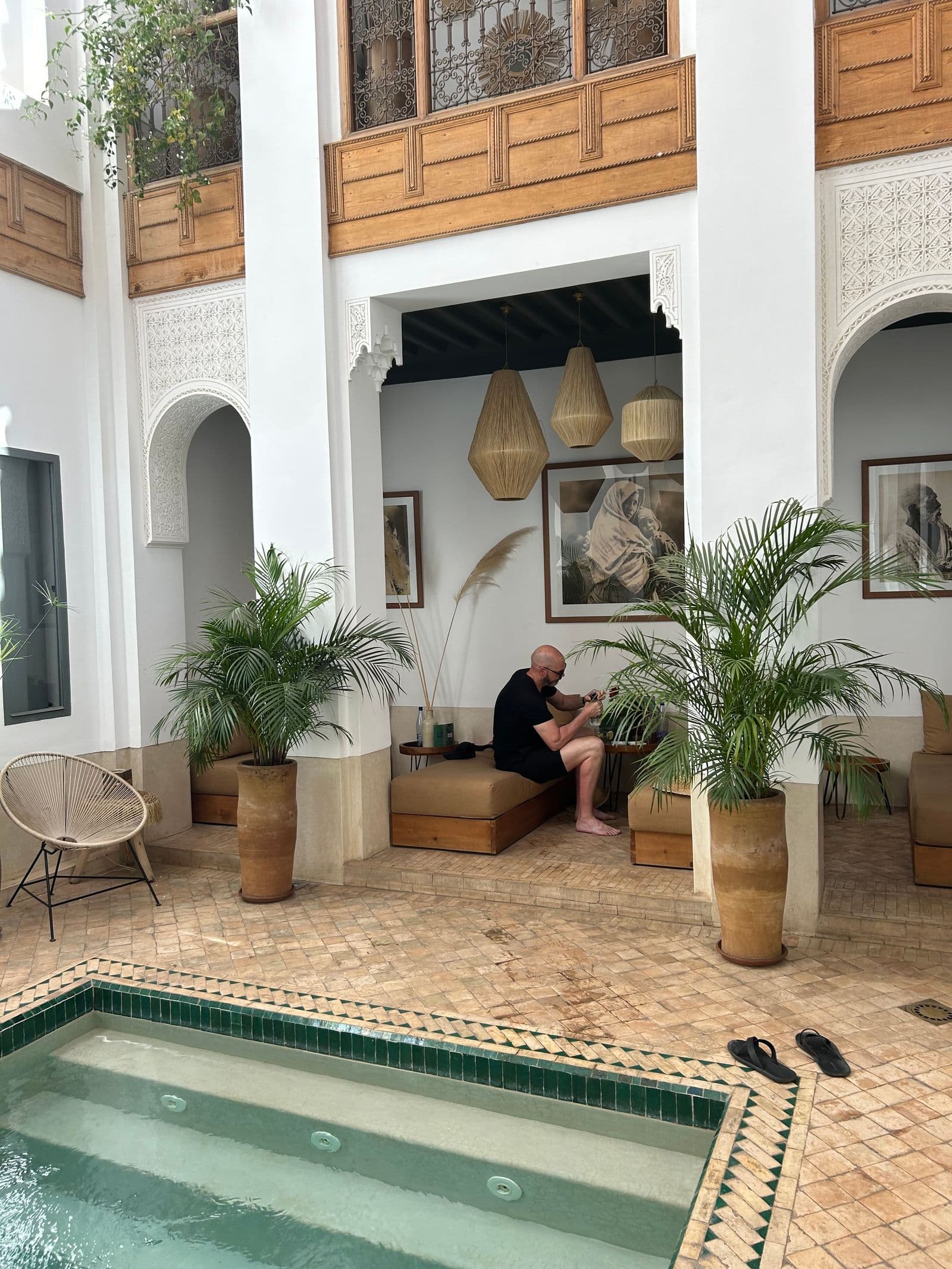
Riads over hotels. Small, staffed by people who learn your name in a day, and the door is locked. Ask them to arrange taxis; a taxi from your riad is accountable in a way a street taxi is not.
Arrive in daylight. Especially in Fez, where the medina is genuinely difficult to navigate and the arrival is the hardest part of the trip.
Petit taxis should use the meter. They frequently will not for obvious tourists — agree the fare before getting in.
Hammams. Public hammams are single-sex and entirely fine; it is one of the better experiences available and one of the few places you will be surrounded only by Moroccan women. Bring flip-flops and expect to be scrubbed harder than you anticipated.
Solo, and the alternative
Solo travel here is entirely feasible and many women do it happily. It is also more work than solo travel in, say, Portugal, and it is fair to want a trip that is not work.
The middle path a lot of women choose: a walking trip or a small group tour for part of it. On a trek you are with a guide and a group all day, the villages are relaxed, the attention issue essentially vanishes, and you still get the country. Women-only group trips exist and are increasingly common — they are not a retreat from Morocco, they are a way of having the parts of it that are good without the part that is tiring.
The part worth saying plainly
The hassle is concentrated, avoidable, and not the whole country. Women who spend their whole trip in the Marrakech medina come home with one story. Women who spend four days of it in the Atlas or the Anti-Atlas come home with a different one.
Plan the second trip.