South of Marrakech there is one dominant route, and almost every adventure circuit sold in Morocco is a variation on it. It crosses the High Atlas, runs along the southern flank through the oasis valleys, turns north through a gorge, and comes back over the mountains.
Done well it is one of the great drives. Done badly it is five days of arriving after dark.
The route
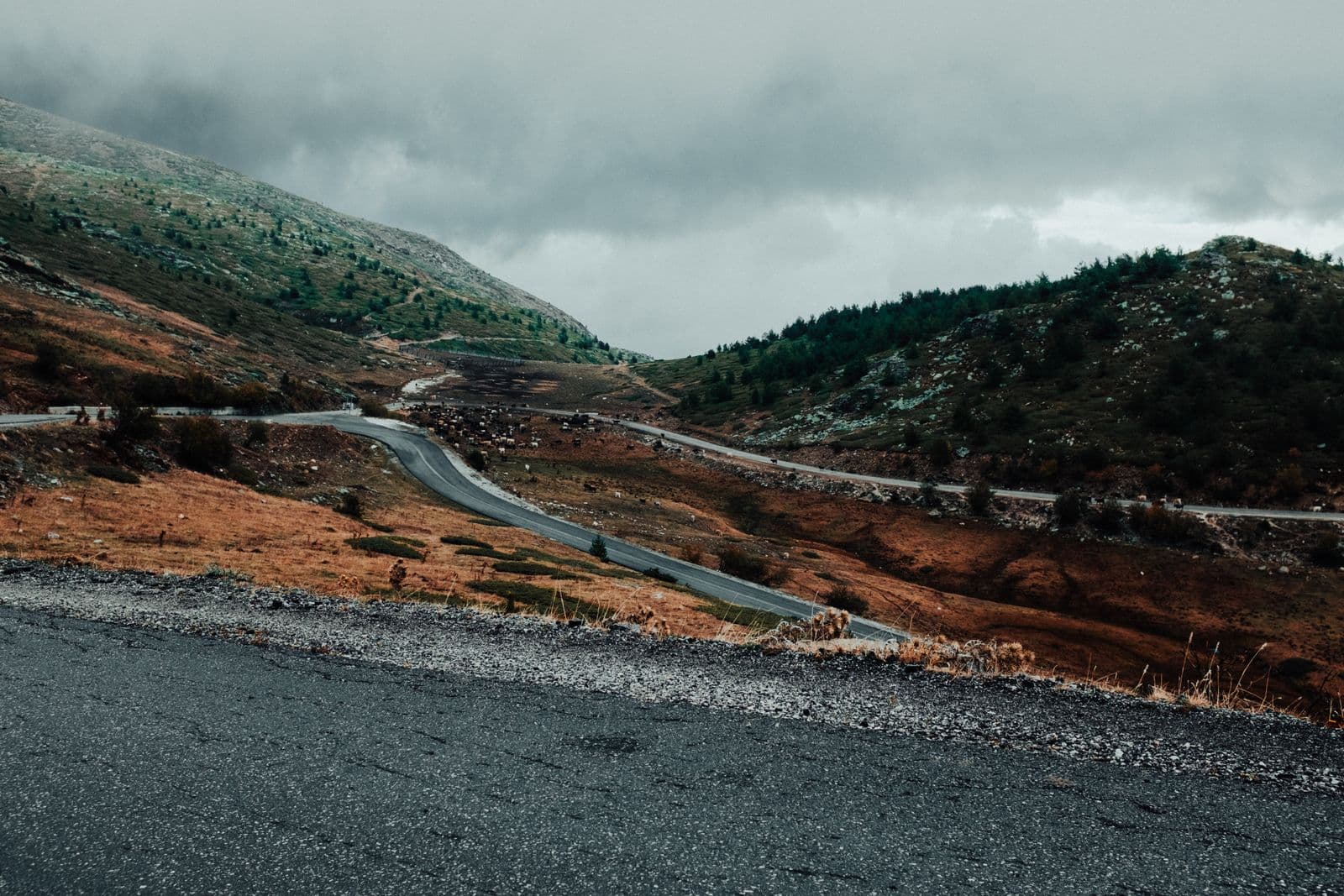
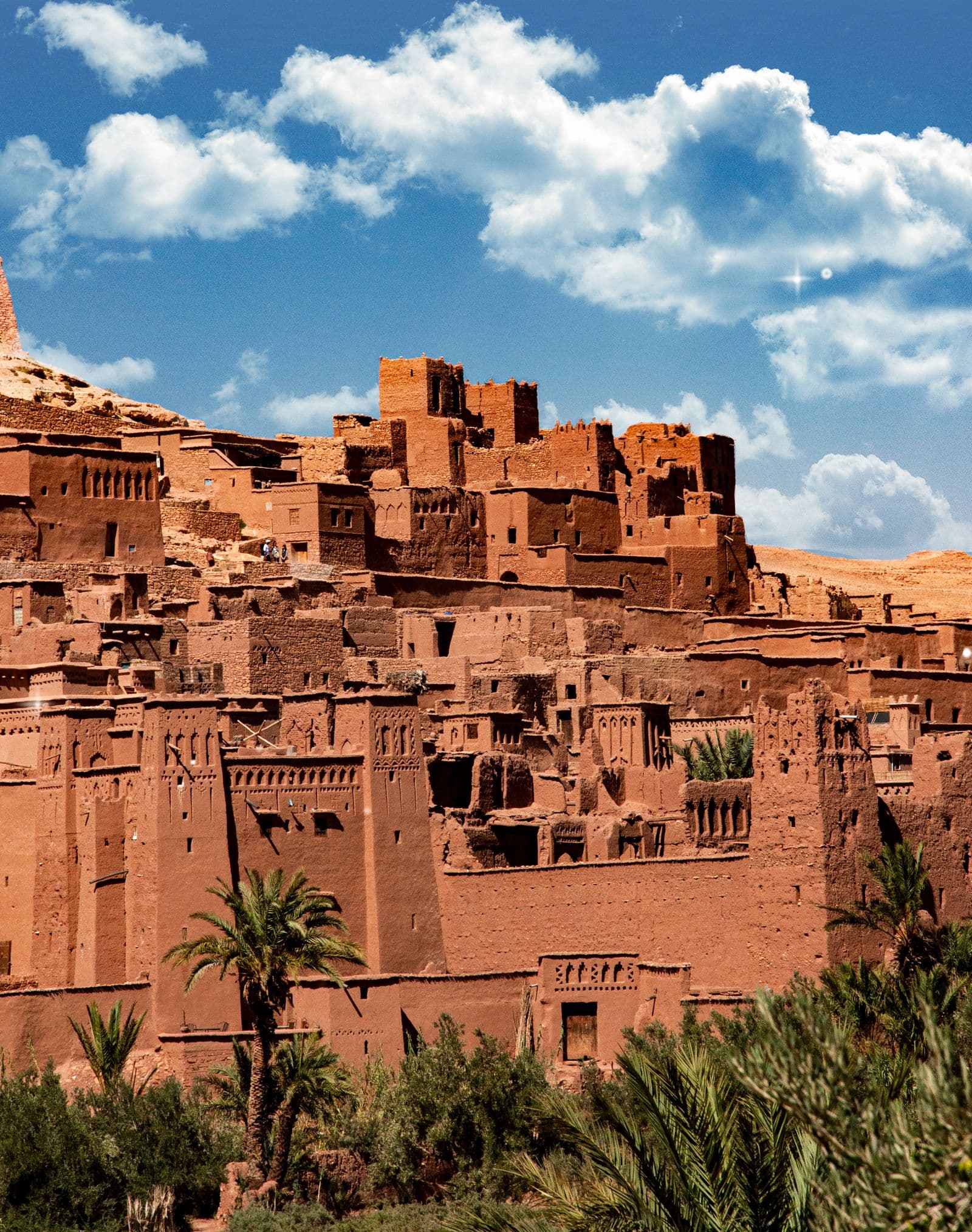
Marrakech → Tizi n'Tichka → Aït Ben Haddou → Ouarzazate. The pass tops out at 2,260 metres and the road was substantially rebuilt in recent years, so it is faster than older accounts suggest — but it is still four hours to Ouarzazate with stops, and you will want stops. Aït Ben Haddou, the fortified ksar on the far side, is the single most photographed building in Morocco and deserves an hour rather than fifteen minutes.
Ouarzazate → Drâa valley → Zagora → M'Hamid. South-east into the palm groves. The Drâa is the longest river in Morocco and the valley is a continuous ribbon of date palms and earthen villages. M'Hamid is the end of the tarmac and the jumping point for Erg Chigaga.
Or: Ouarzazate → Dadès → Todra → Merzouga. East instead of south. The Dadès gorge with its switchback road, the Todra gorge with its 300-metre walls, and out across the hamada to the dunes at Erg Chebbi.
Return: north through Midelt and Ifrane, or back over the Tichka. The northern return via the Middle Atlas is longer but not a repeat, and Ifrane — an Alpine-style town built under the French Protectorate — is one of the odder sights in the country.
The decision that shapes everything
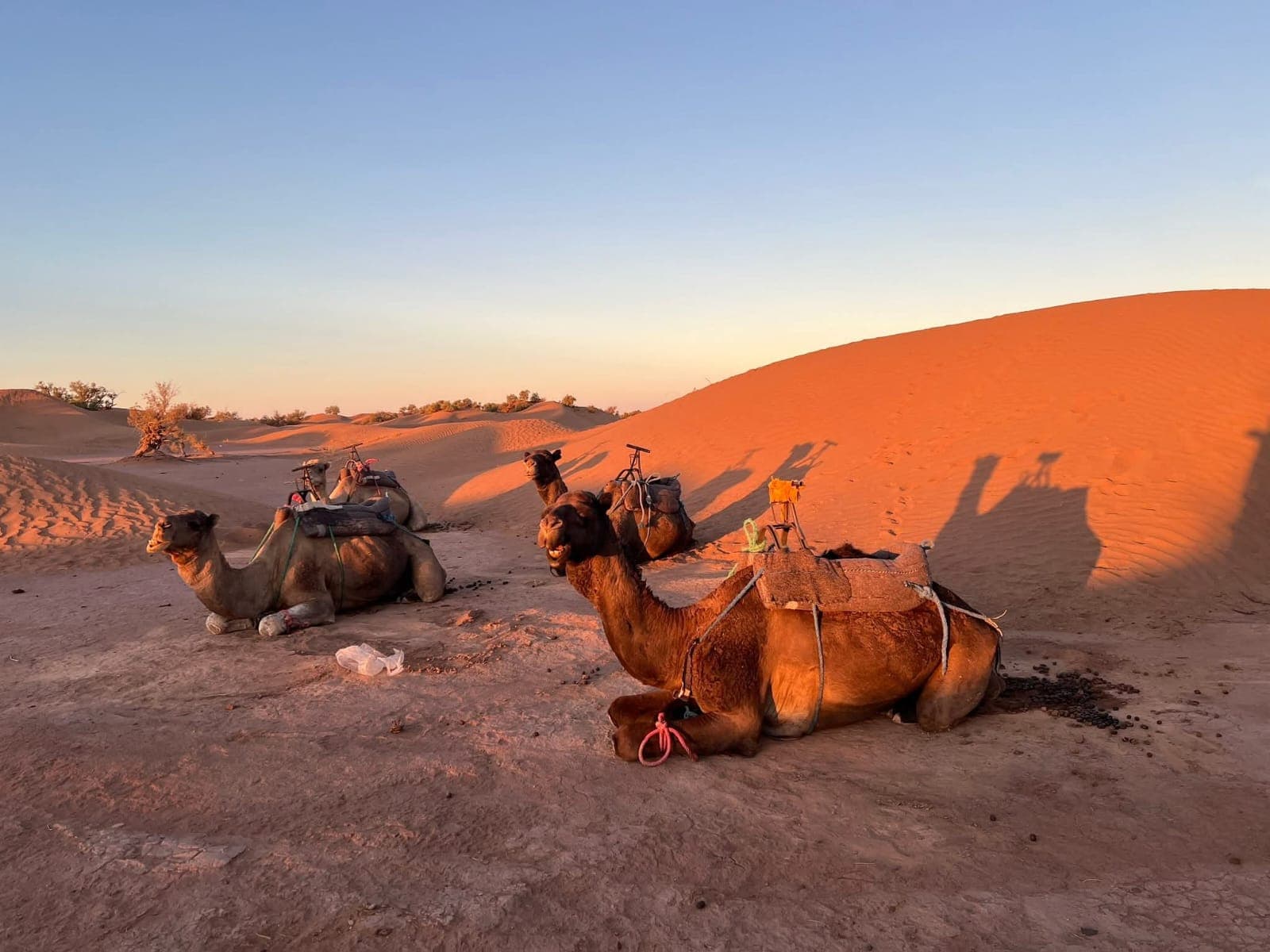
You cannot do both deserts. Chigaga and Chebbi are at opposite ends of the southern route and joining them is a very long day across the hamada with nothing in between.
Choose. If you want the drive to be the trip, go down the Drâa to Chigaga. If you want the gorges, go east through Dadès and Todra to Chebbi. The second is more popular and, for a first visit, better — the gorges are genuinely spectacular and they break the driving up.
Minimum days
Four days to Merzouga and back is the absolute floor and it is tight. Five is comfortable. Seven lets you walk in the gorges rather than photograph them from the road, which is the difference between having seen the Dadès and having been there.
Anything sold as a three-day Marrakech–Sahara–Marrakech trip is roughly twenty hours of driving for one night on sand. People do it. Few recommend it afterwards.
Where the walking is
The circuit is a drive, but it has good short walks that most itineraries skip.
Aït Ben Haddou — up through the ksar to the granary at the top, twenty minutes, and the view back over the valley.
Dadès — the trail up the Berber valley from the switchbacks, two to three hours through villages and almond terraces.
Todra — walk into the gorge itself in the early morning before the tour buses, then the palm-grove path on the far side.
Rose valley near El Kelaa M'Gouna — best in the two weeks around the rose harvest in May.
Practical
Vehicle. A normal car does the entire tarmac circuit. You need a 4×4 only for the Chigaga off-piste section, and if you are going there you will be handing the driving over anyway.
Fuel. Fill up in the towns. The stretches between are long and the pumps in the smaller villages are not always working.
Season. March to May and September to November. Summer in the Drâa and around Merzouga is brutally hot. Winter is fine in the day and cold at night, and the Tichka can close briefly in snow.
Booking ahead. In spring and autumn the good guesthouses in Dadès and the better camps at Merzouga fill up. In summer and midwinter you can improvise.
The stop most people miss
Skoura, between Ouarzazate and the Dadès — a large working palm oasis with kasbahs still standing in it, including Amerhidil. It is twenty minutes off the main road and almost every tour drives past it to make time. Stay a night there instead of a second one in Ouarzazate, which is a film-industry town and not the reason you came.