We are asked this more than any other question, and it usually arrives with an apology attached, as though it were an impolite thing to want to know. It is not. It is the first thing anyone should ask about a country they have not been to.
The short answer: yes, Morocco is a safe country to travel in, and the main thing that will trouble you is not danger but persistence. Understanding the difference between the two is most of what you need.
What the risk actually looks like
Violent crime against tourists is uncommon. Morocco depends heavily on tourism, the tourist police (Brigade Touristique) are a real force in the main cities, and serious offences against visitors are treated harshly. In the medinas of Marrakech and Fez, at the hours when tourists are actually out, you are statistically safer than in most large European cities.
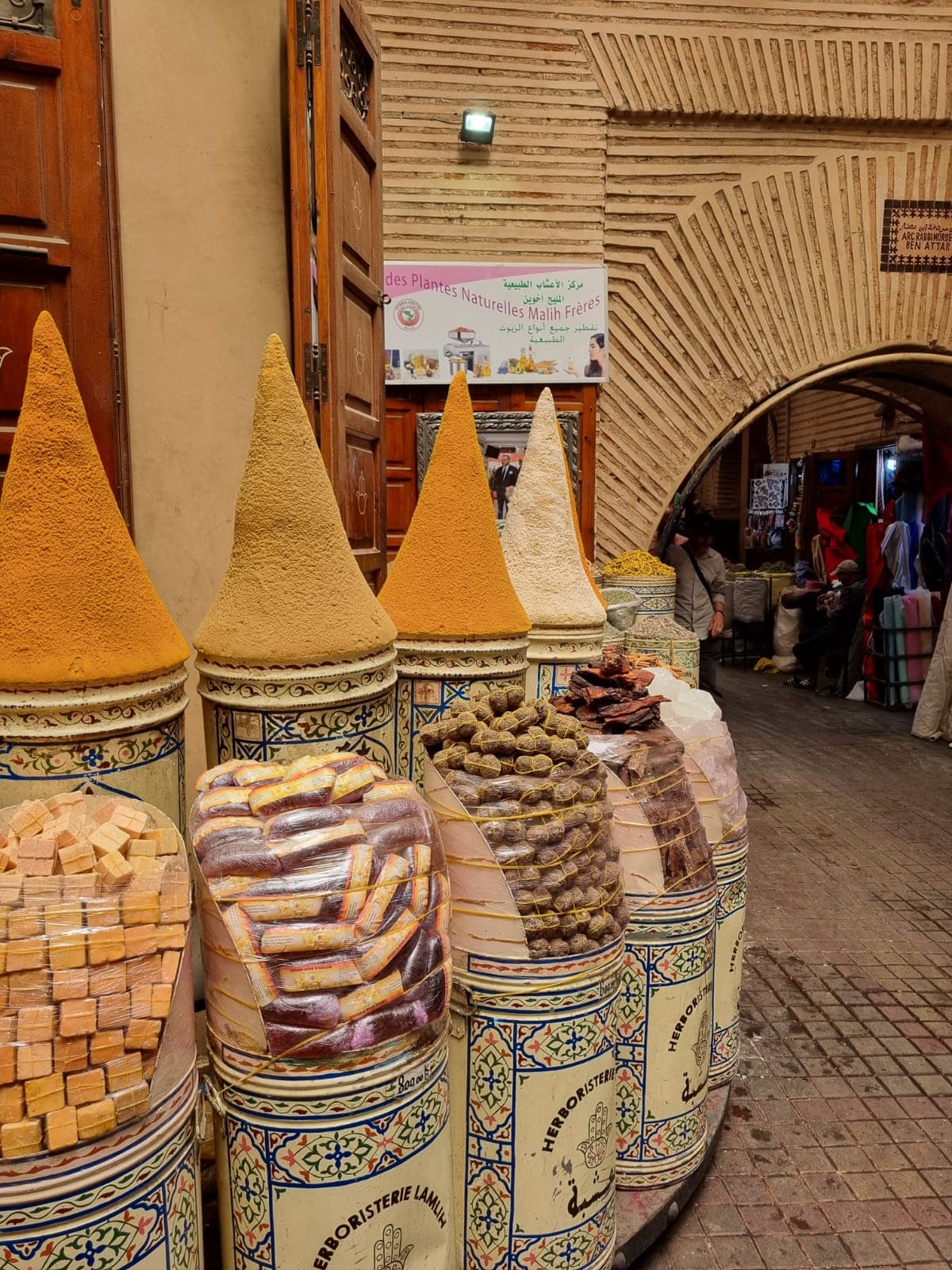
What you will meet instead is commercial pressure, and a lot of it. Someone telling you the square is closed today and offering to take you to a better one. Someone telling you the tannery is only accessible through their friend's shop. A "student" who wants to practise English and then wants a tip for the walk. A henna artist who takes your hand before you have agreed to anything and then names a price.
None of these will hurt you. All of them will wear you down if you have not decided in advance how to respond.
The specific things that go wrong
The wrong-direction gambit. You are heading somewhere; a stranger tells you it is closed, under repair, or only open to groups, and offers an alternative. This is the single most common approach in Marrakech and Fez. Nothing you want to visit is ever unexpectedly closed because a man in the street says so. Keep walking.
Unofficial guides. Someone attaches themselves to you, delivers commentary you did not request, and demands payment at the end. The fix is to decline clearly at the first sentence, not the fifth — politeness that reads as hesitation is interpreted as negotiation.
Taxi fares. Petit taxis have meters. Many drivers will not use them for obviously foreign passengers. Agree the fare before the door closes, or insist on the meter. In Marrakech, most in-city journeys are 20–40 dirham; if you are quoted 150, that is the tourist rate, not the real one.
The photograph. Anyone who poses for you — snake charmers, water sellers, monkey handlers in Jemaa el-Fna — expects money, and the amount will be argued after the shutter, not before. Decide whether you want the photo enough to pay for it, and settle the price first if you do.
Carpet and argan pressure. Shopping in Morocco involves sustained hospitality that is designed to make leaving feel rude. Mint tea does not obligate you. It is entirely normal and acceptable to drink it, thank the shopkeeper, and buy nothing.
Women travelling
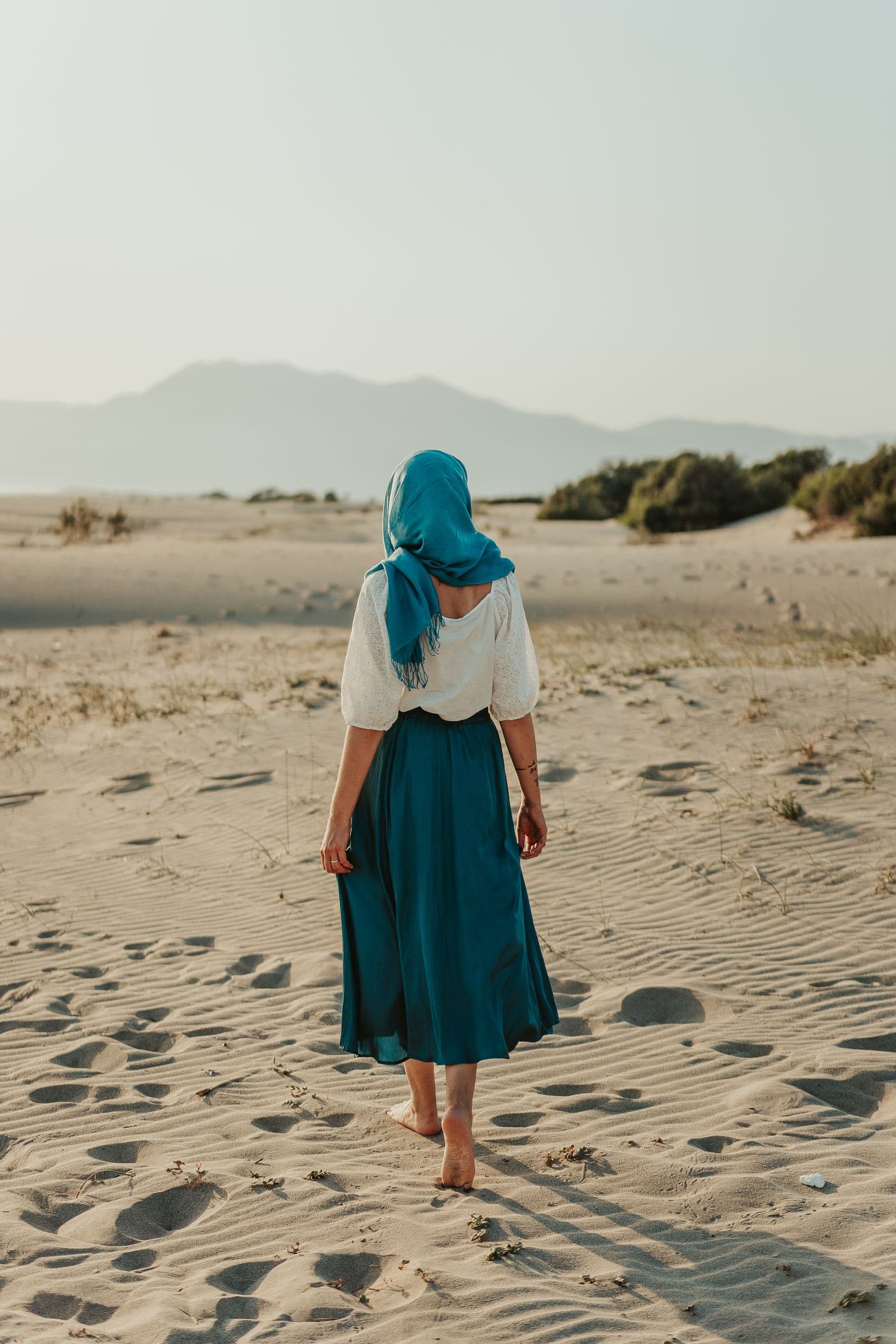
This deserves more than a line, and we have written about it at length elsewhere. The compressed version: street harassment — comments, following, persistent attention — is more common than most guidebooks admit, and it is a genuine irritation rather than a genuine danger. It reduces sharply outside the big-city medinas and is close to absent in the mountains and villages, where you are a guest and treated as one.
Practical things that help: a firm, unsmiling "la, shukran" and continued walking; sunglasses; not stopping to explain. Dressing with covered shoulders and knees is not a rule but it noticeably lowers the volume.
Where actual caution is warranted
The real risks in Morocco are not criminal. They are environmental and logistical, and they get far less attention than they deserve:
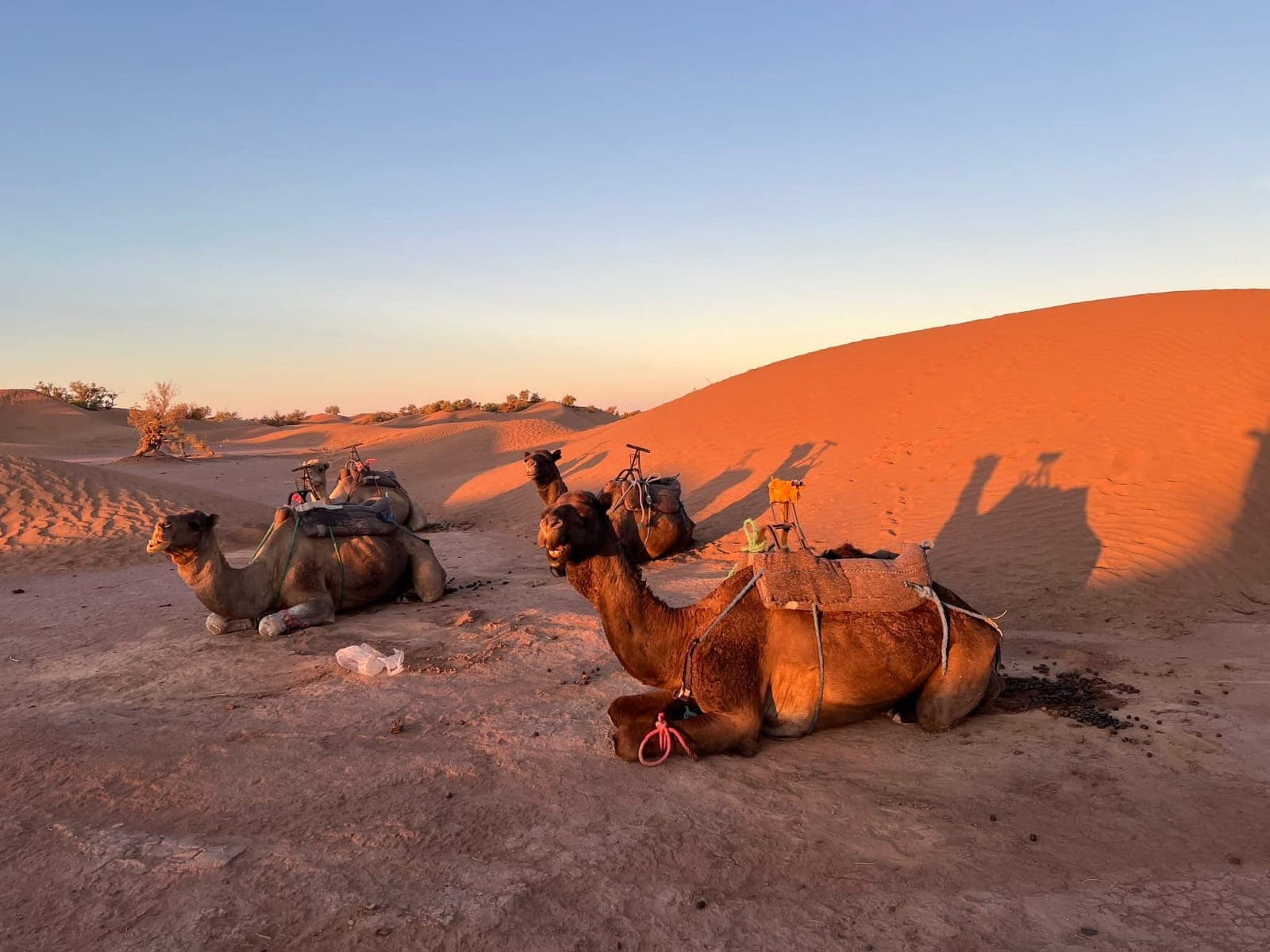
Heat. Summer temperatures in Marrakech and the desert regularly exceed 45°C. Heat exhaustion sends more visitors to a clinic than anything else on this page.
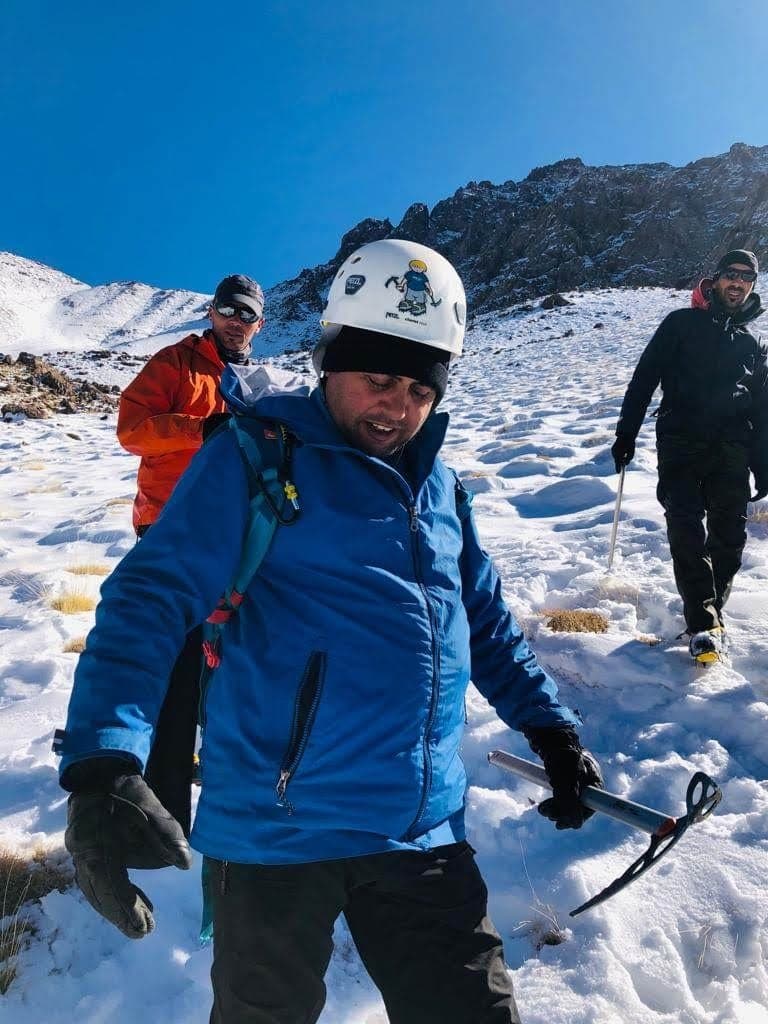
Altitude. Toubkal is 4,167 metres. Altitude sickness at that height is common, and people attempt it in two days from sea level without acclimatising because it requires no technical skill.
Flash flooding. Dry riverbeds in the south fill extremely fast during rain that may be falling many kilometres upstream. Gorges are the specific hazard.
Road driving. Mountain roads are narrow, shared with trucks, and taken at speed by drivers who know them. Night driving outside cities is worth avoiding.
Stomach upsets. Drink bottled or filtered water, and be sensible about salads washed in tap water early in a trip.
Solo travel
Morocco is a well-established solo destination and the infrastructure supports it — riads are sociable, transport is easy, and other travellers are everywhere on the main routes. Solo women travel here in large numbers and the great majority have a good time. The adjustments are the ones above, applied a little more firmly.
The one genuine constraint: for Toubkal and the national park, a licensed mountain guide is legally required. That is not a safety recommendation; it is a regulation, and it is enforced at the Imlil trailhead.
The summary we give guests
Morocco is safe in the way that matters — you are very unlikely to be harmed. It is tiring in a way that catches people off guard, because the constant low-level commercial attention in the medinas is genuinely draining for the first two days and then largely stops bothering you once you have learned to say no without guilt.
Almost everyone who has a bad time in Morocco had it in the first forty-eight hours in a big-city medina. Almost everyone who stayed longer, or went to the mountains, came back saying it was one of the friendliest countries they had visited. Both of those things are true at the same time.