Morocco is about the size of France with worse roads through the middle of it. That one sentence explains most of what goes wrong with trip planning here.
People arrive with a list — Marrakech, Fez, the Sahara, Chefchaouen, Essaouira — and a week, and the list is a fortnight's worth of country. The result is a holiday spent watching the Middle Atlas through a window.
Here is what each length genuinely reaches.
Five days
One base, one excursion. That is the whole budget.
Realistically: Marrakech for two days, the Atlas for one or two, and a travel day at each end. Or Fez for two days with a Middle Atlas or Volubilis excursion.
Five days does not reach the Sahara from Marrakech in any satisfying way. The round trip alone is three days minimum, which leaves you two days for arrival, departure and the city.
It is a good length. It is just a short-trip length, and the mistake is treating it as a tour.
Seven days
Two areas, or one area plus the desert.
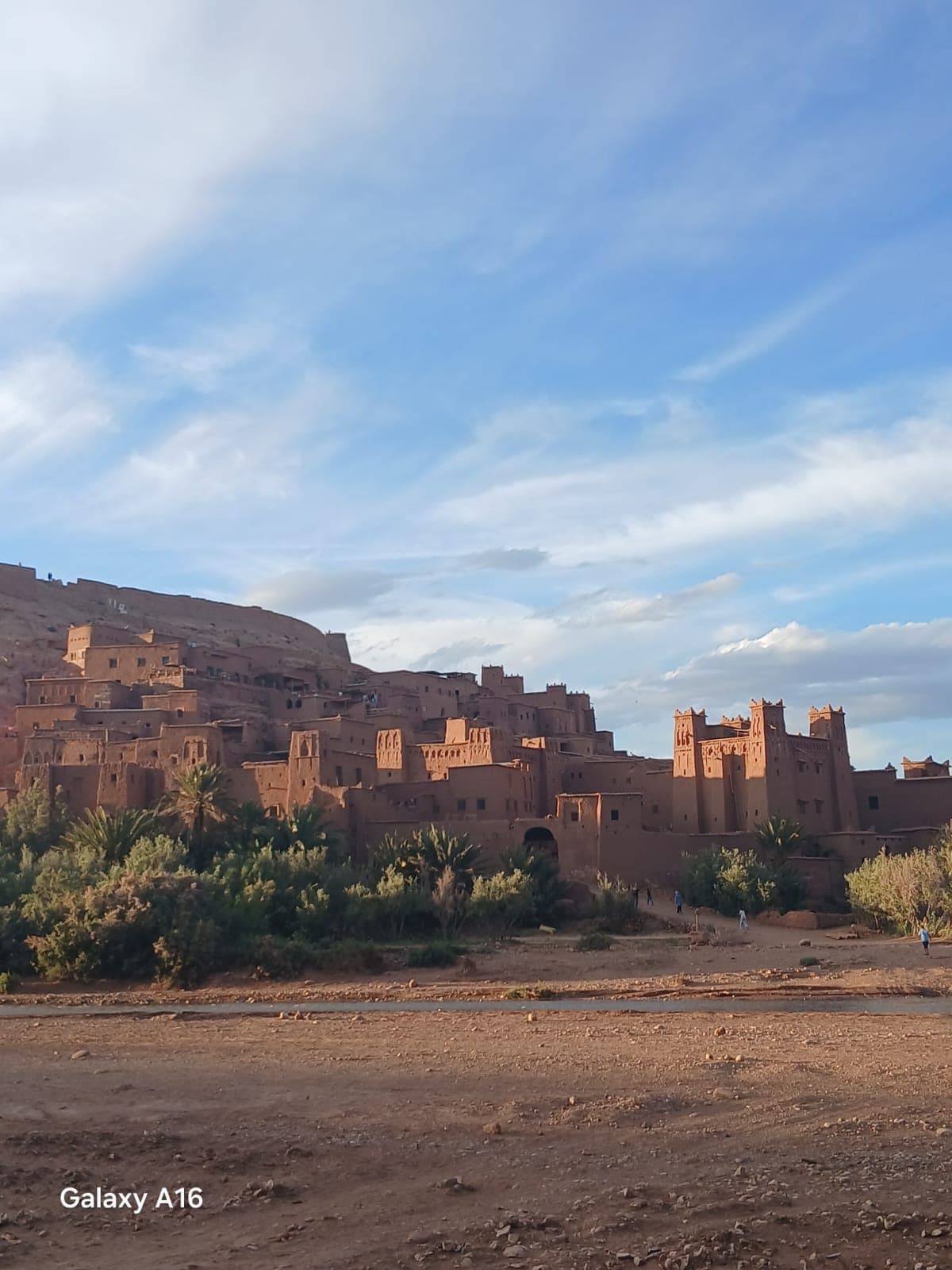
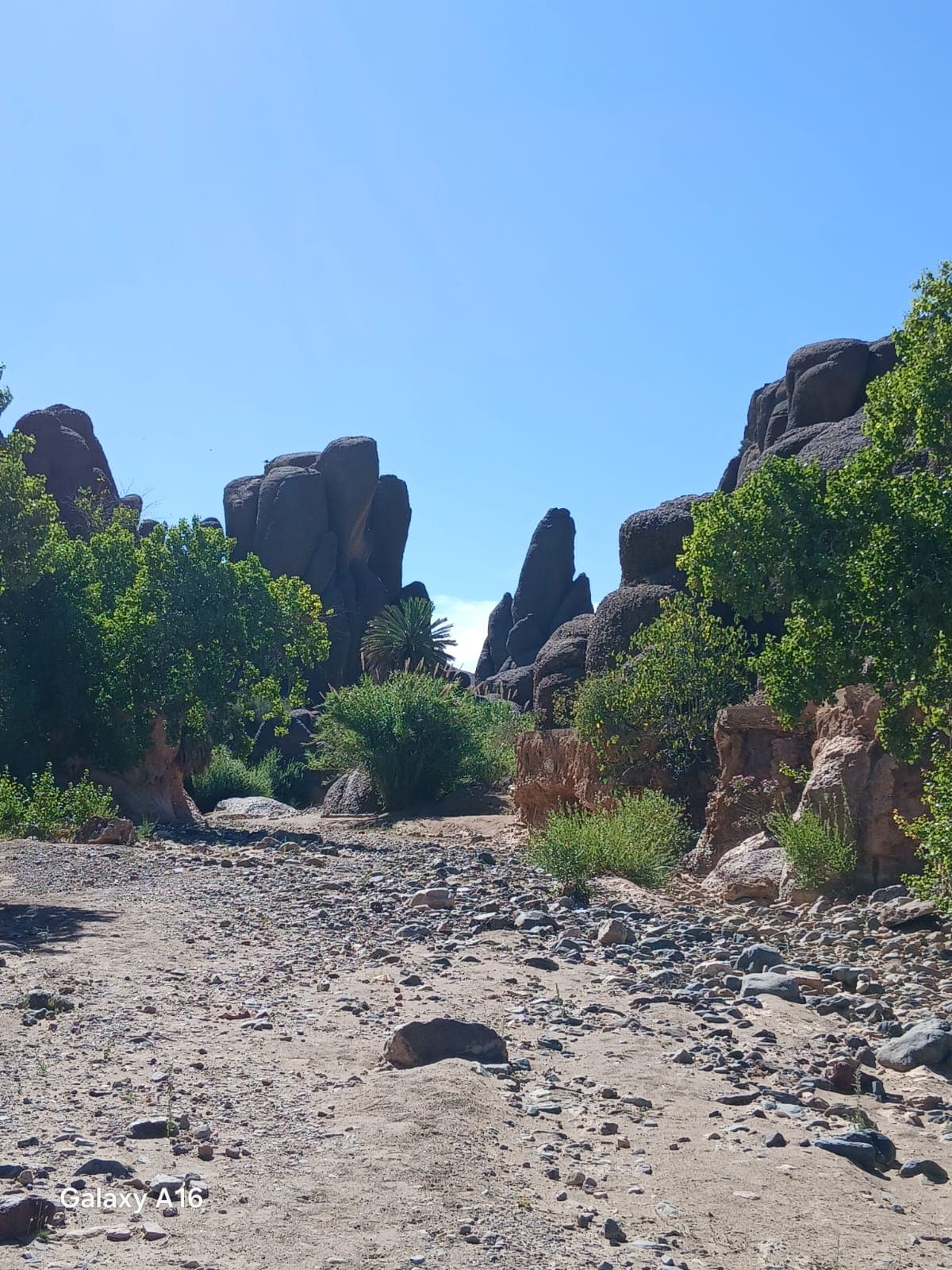
The classic: Marrakech, the Sahara loop via Aït Ben Haddou and the gorges, and a day in the Atlas on return. This is the most-booked week in the country and it works, with the honest caveat that roughly two and a half of those days are driving.
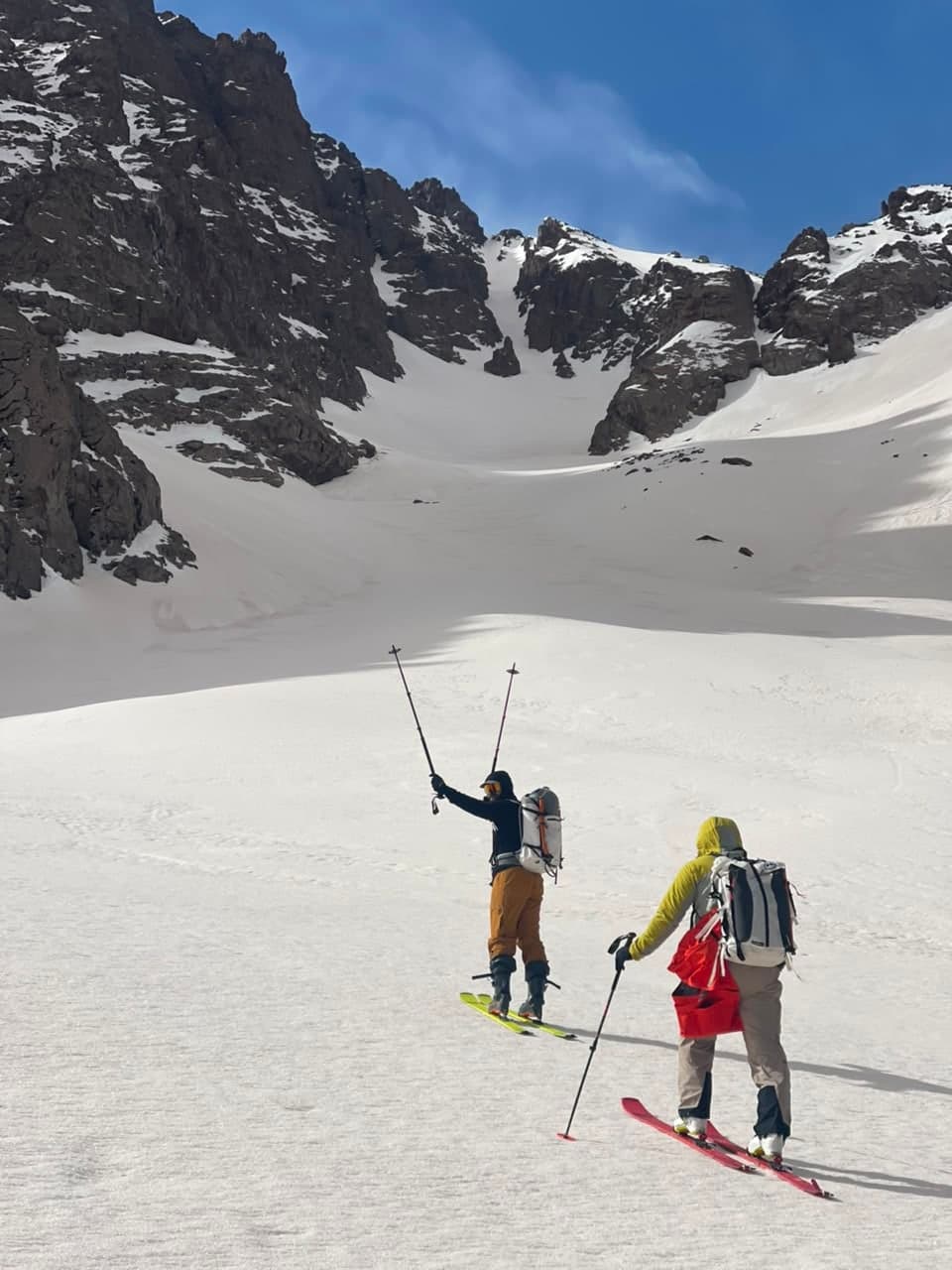
The alternative that we often prefer: Marrakech, four days trekking in the High Atlas with nights in mountain gîtes, and a final day in the medina. Under six hours of total driving for the whole week.
What seven days will not do is Marrakech and Fez and the desert. That is the most common over-reach and it produces two eight-hour transfer days.
Ten days
This is where Morocco opens up. Ten days is the first length that stops feeling like a compromise.
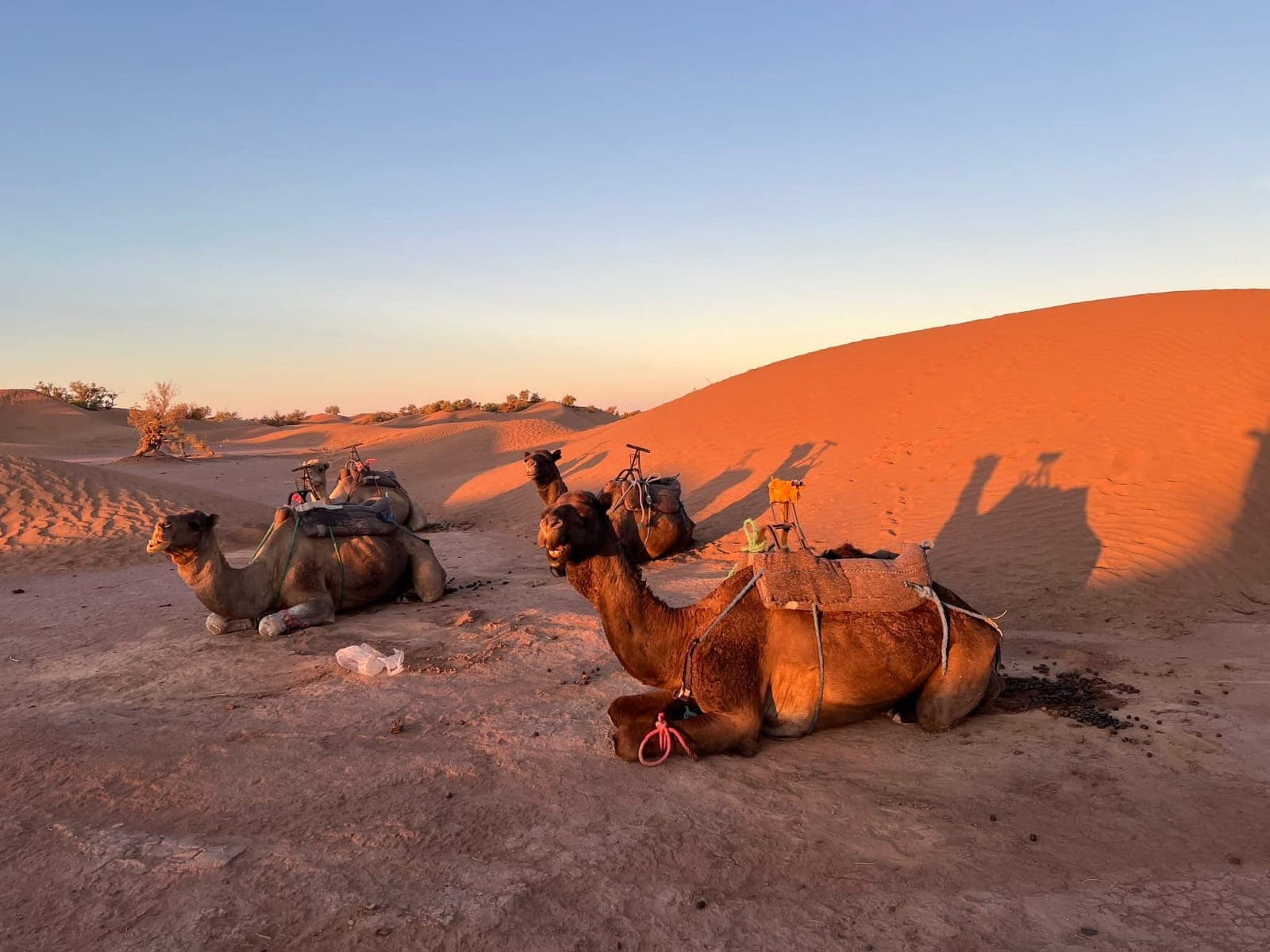
It comfortably covers the classic north-south route: Marrakech, over the Atlas, Aït Ben Haddou, the gorges, two nights in the Sahara, then north through Midelt to Fez, with two full days there. One-way, no backtracking, and each place gets enough time to become distinct rather than a stop.
Or: Marrakech, a proper five-day trek — the Toubkal circuit or the M'Goun traverse — and a decompression day on the coast at Essaouira.
If you are choosing a length and have flexibility, choose ten.
Fourteen days
Everything above, without hurrying, plus one thing that surprises you.
Two weeks lets you do the full circuit — Marrakech, the Sahara, Fez, Chefchaouen, the coast — with two nights nearly everywhere, which is the threshold at which a place stops being a stop and starts being a visit.
It also creates room for the parts of Morocco most itineraries never reach: the Anti-Atlas around Tafraoute, with its painted rocks and almond valleys; the Draa palm groves south of Ouarzazate; the Atlantic between Essaouira and Sidi Ifni. These are consistently the days guests talk about afterwards, and they are the first things cut from a shorter trip.
The rule that matters most
Two nights minimum, everywhere.
One night in a place means you arrive in the late afternoon, eat, sleep, and leave after breakfast. You have not visited it; you have slept in it. Every one-night stop in an itinerary is a place you will not remember.
The corollary: it is always better to remove a destination than to reduce every destination to one night. A seven-day trip with three places at two nights each is a far better holiday than the same week split across six.
The specific transfer times to plan around
- Marrakech → Fez: 8–9 hours driving, or a 1-hour flight plus 3 hours of airport
- Marrakech → Merzouga: 9–10 hours
- Fez → Chefchaouen: 4 hours
- Marrakech → Essaouira: 2.5–3 hours
- Fez → Merzouga: 7–8 hours
Any day containing one of the first two figures is not a sightseeing day. Count it as travel and plan nothing else in it.
Short answer
- 5 days: one city and its mountains. Skip the desert.
- 7 days: one city plus the desert, or one city plus a real trek.
- 10 days: the full north–south route, properly. The best value in time.
- 14 days: all of it, at a human pace, with room for the Morocco that is not on the list.
And if you have four days or fewer: pick Marrakech or Fez, add the mountains, and come back. Morocco rewards a second trip more than almost anywhere we know — most of our returning guests spend their second visit somewhere they had never heard of before the first.