What Everything Costs, Part 1: The Mountains
Trekking, Toubkal, ski touring, mountain biking and the Atlas day trips — real prices in dirham and euro, how long each takes, and what is genuinely included.
14 pieces matching “atlas”
Clear
Trekking, Toubkal, ski touring, mountain biking and the Atlas day trips — real prices in dirham and euro, how long each takes, and what is genuinely included.

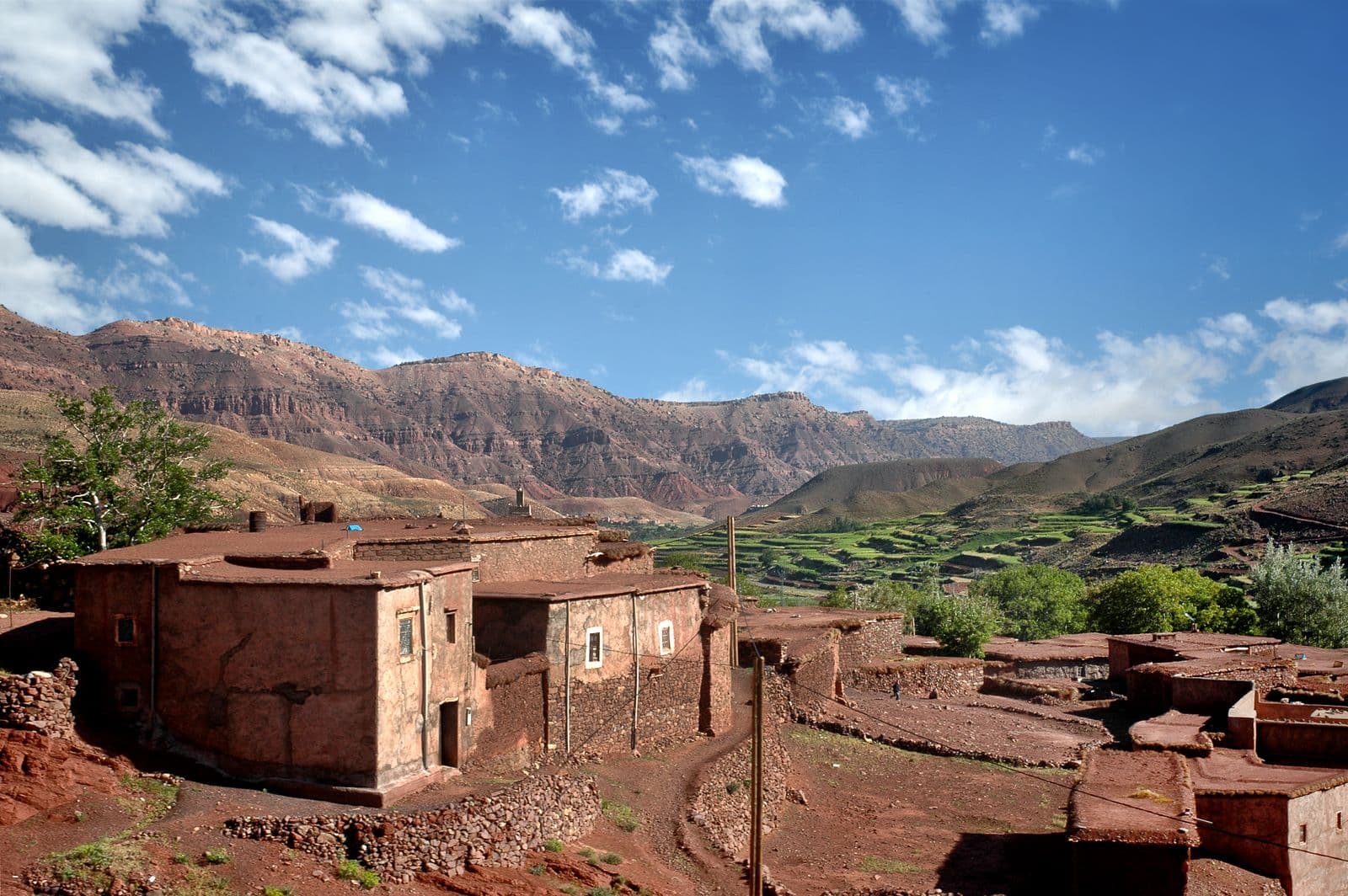
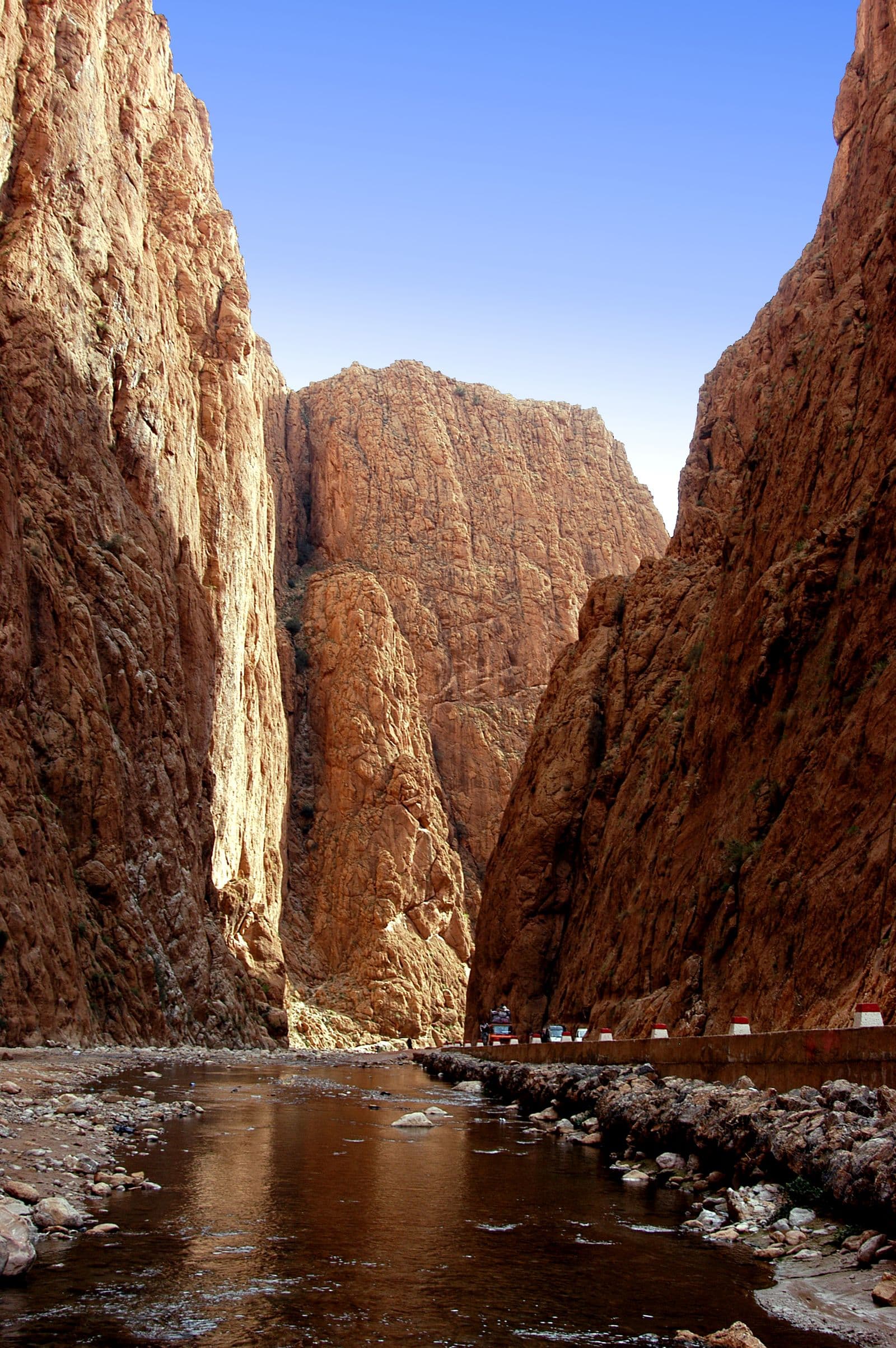
Ourika, Imlil, Ouirgane or Asni — four very different days sold under one name. Which valley suits which kind of visitor, and how to avoid the waterfall coach crush.

There is no single best month — there is a best month for what you actually want to do. Marrakech in August and the High Atlas in August are two different countries. A working calendar from people who guide in all twelve.

Retreats sell stillness; the Sahara gives it away. Where in Morocco you can genuinely hear nothing, what the hammam and Sufi traditions offer, and how to build a contemplative trip without booking a package.

One week, honestly assessed. The classic Marrakech–Sahara–Atlas loop, what it costs you in driving hours, and the three ways people ruin a seven-day trip by adding one city too many.

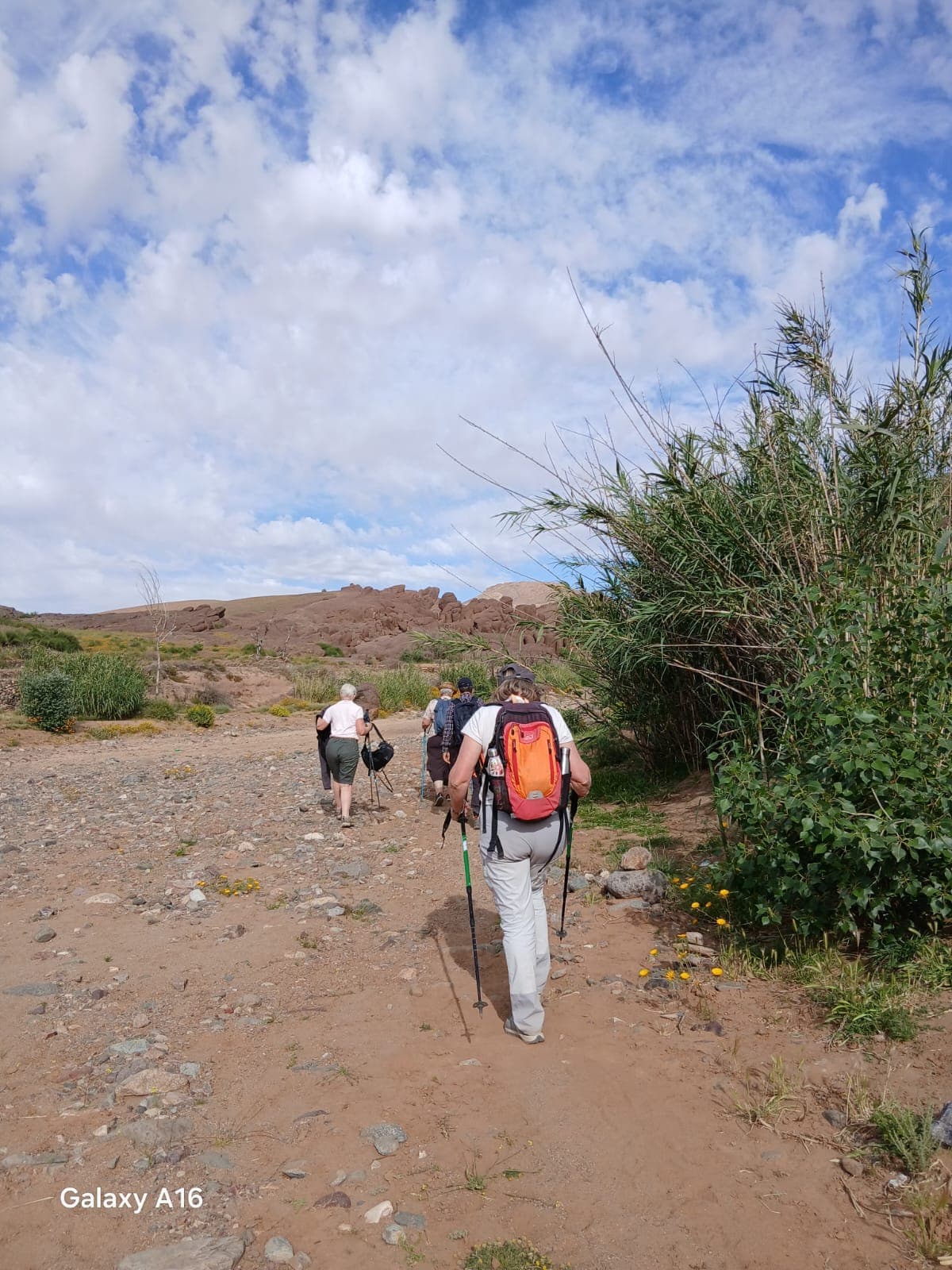
Toubkal, the M'Goun traverse, the Anti-Atlas, the Sahara and Jebel Saghro compared honestly — by days, altitude, difficulty and what each one is actually like underfoot.

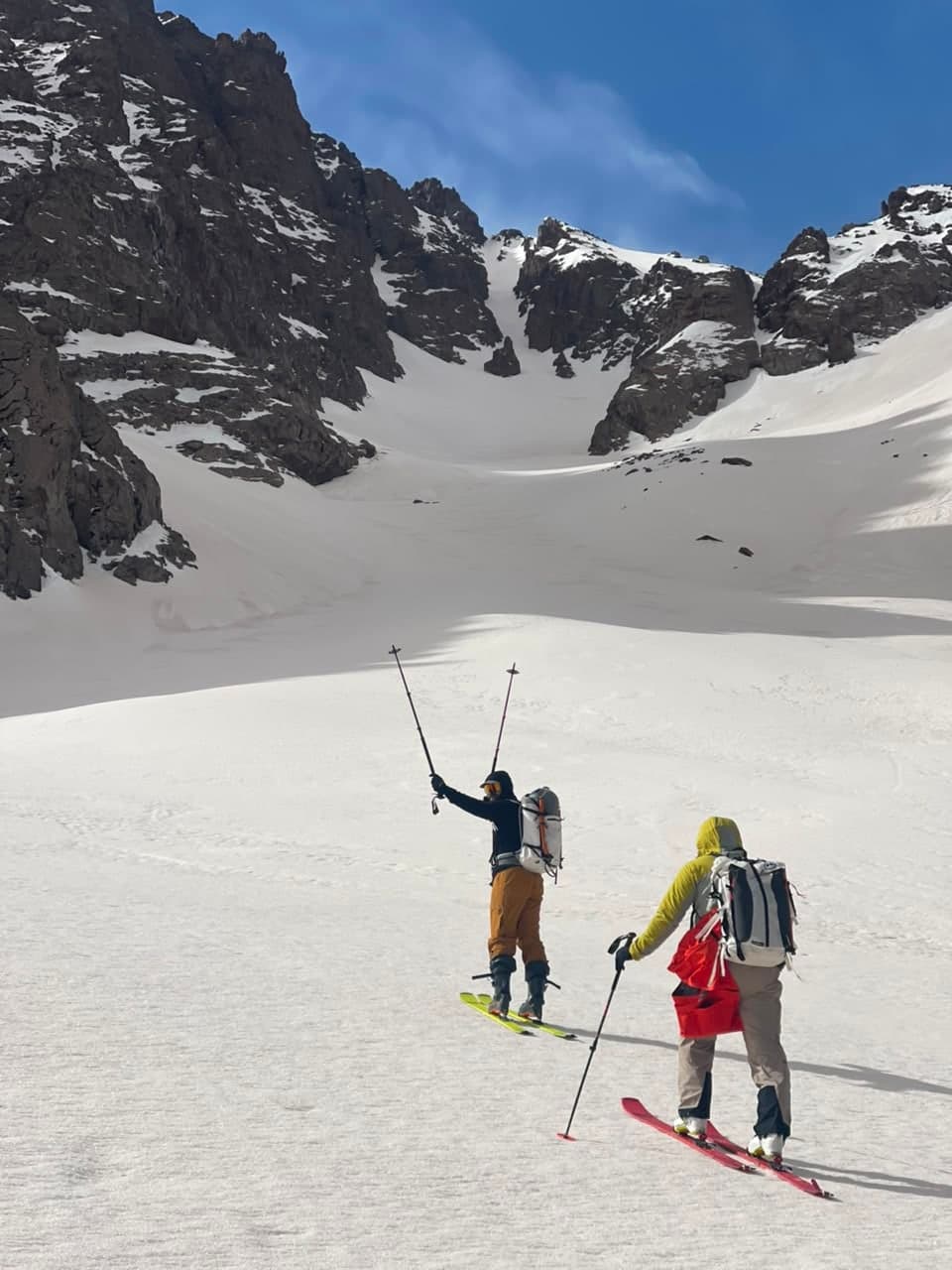
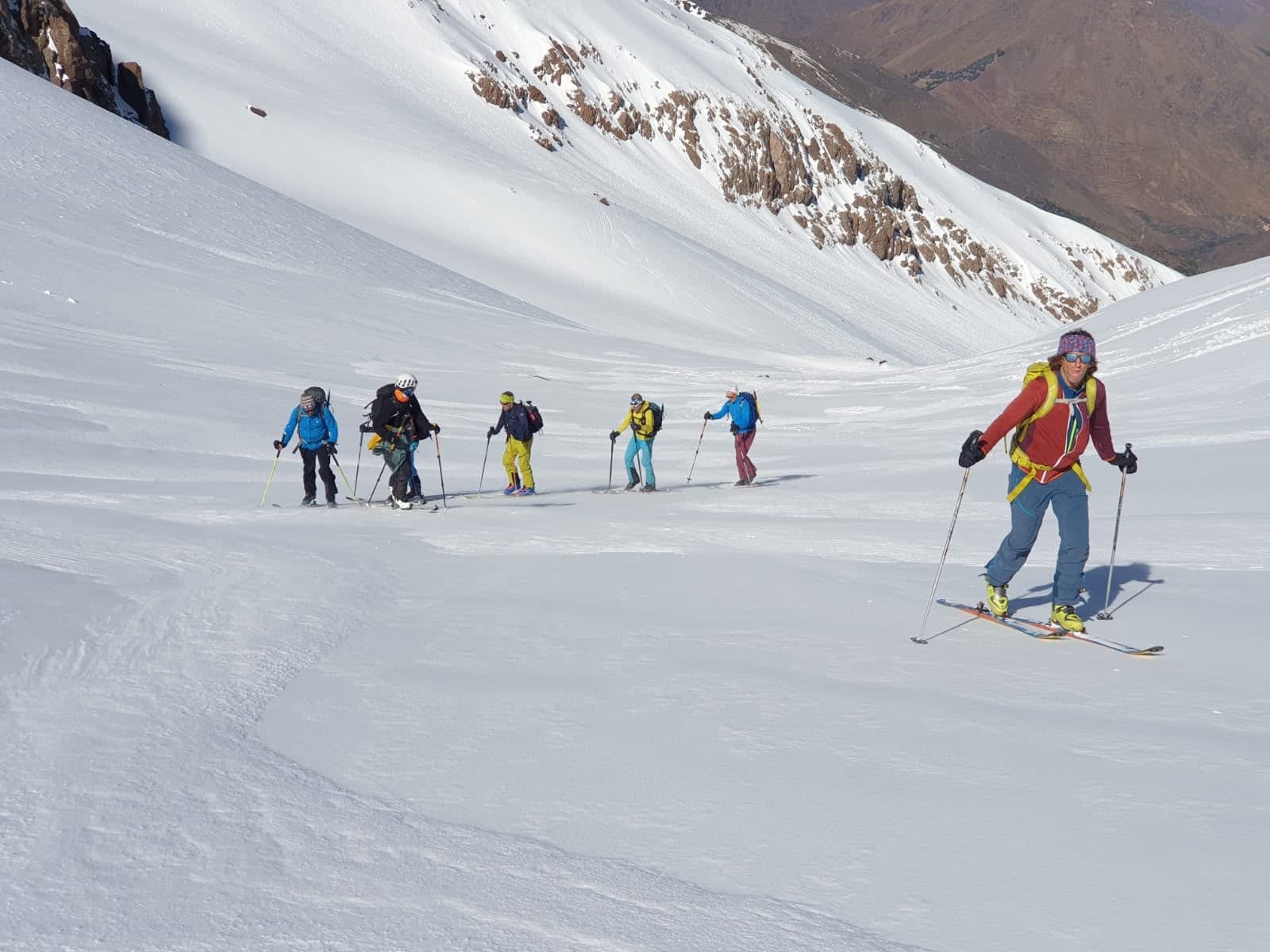
Skinning up 4,000-metre peaks with the Sahara on the horizon. The season, the routes off Toubkal and Oukaimeden, avalanche reality, what to bring, and why Morocco is the most underrated touring country in reach of Europe.

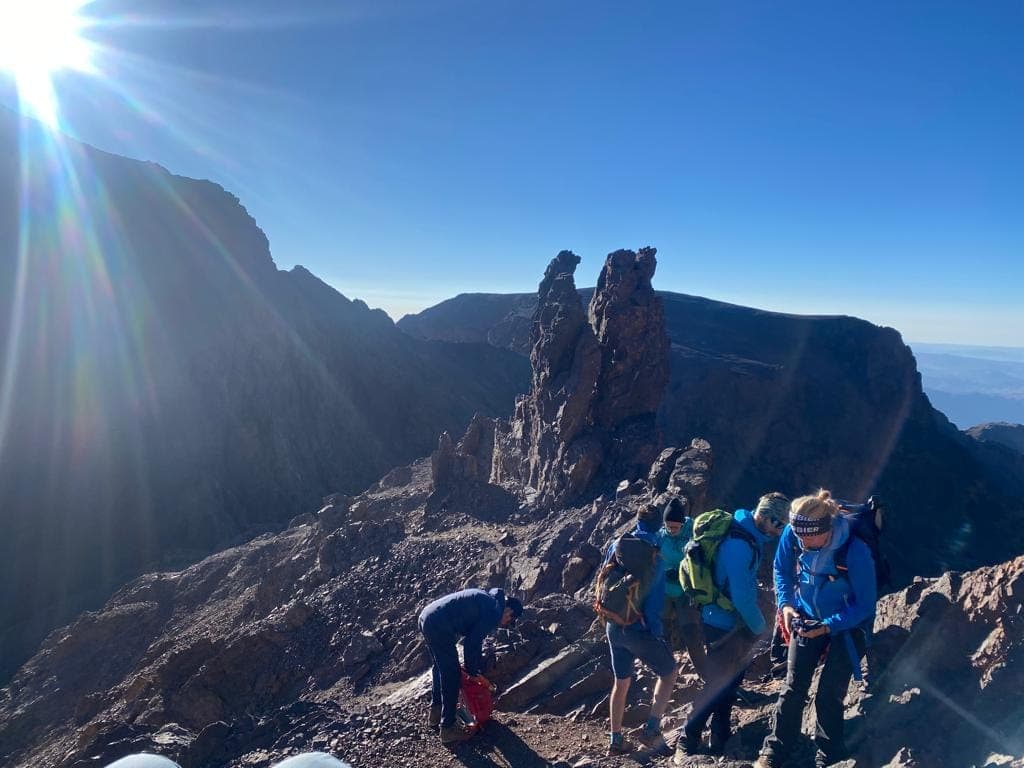
North Africa's highest peak is a walk, not a climb — but at 4,167 metres it is a walk that punishes anyone who treats it casually. Seasons, the refuge, the guide rule, and the altitude.

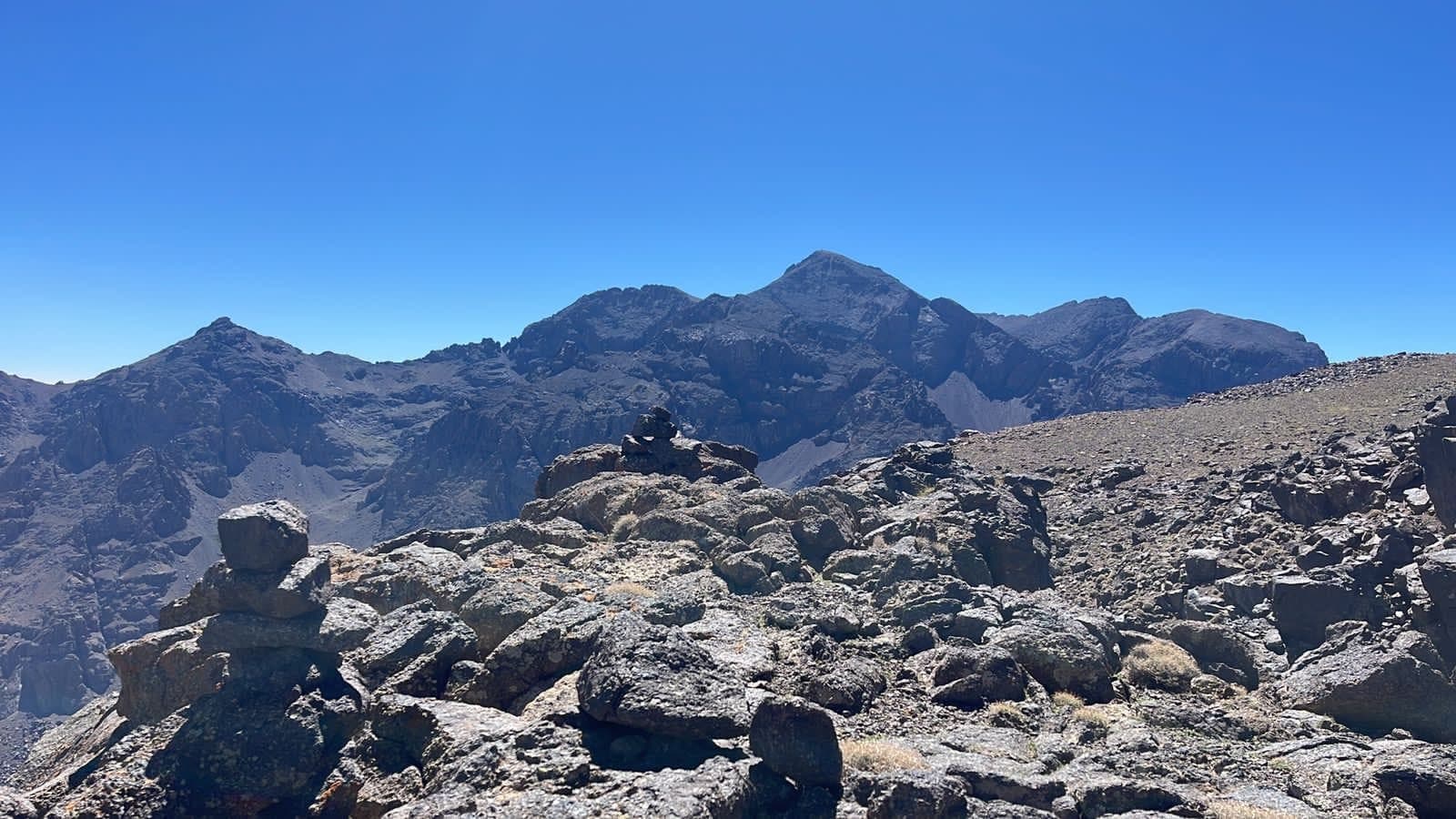
A hundred metres shorter than Toubkal and a fraction as busy. Six days from the Happy Valley over a 4,068-metre summit, through gorges you wade rather than walk.

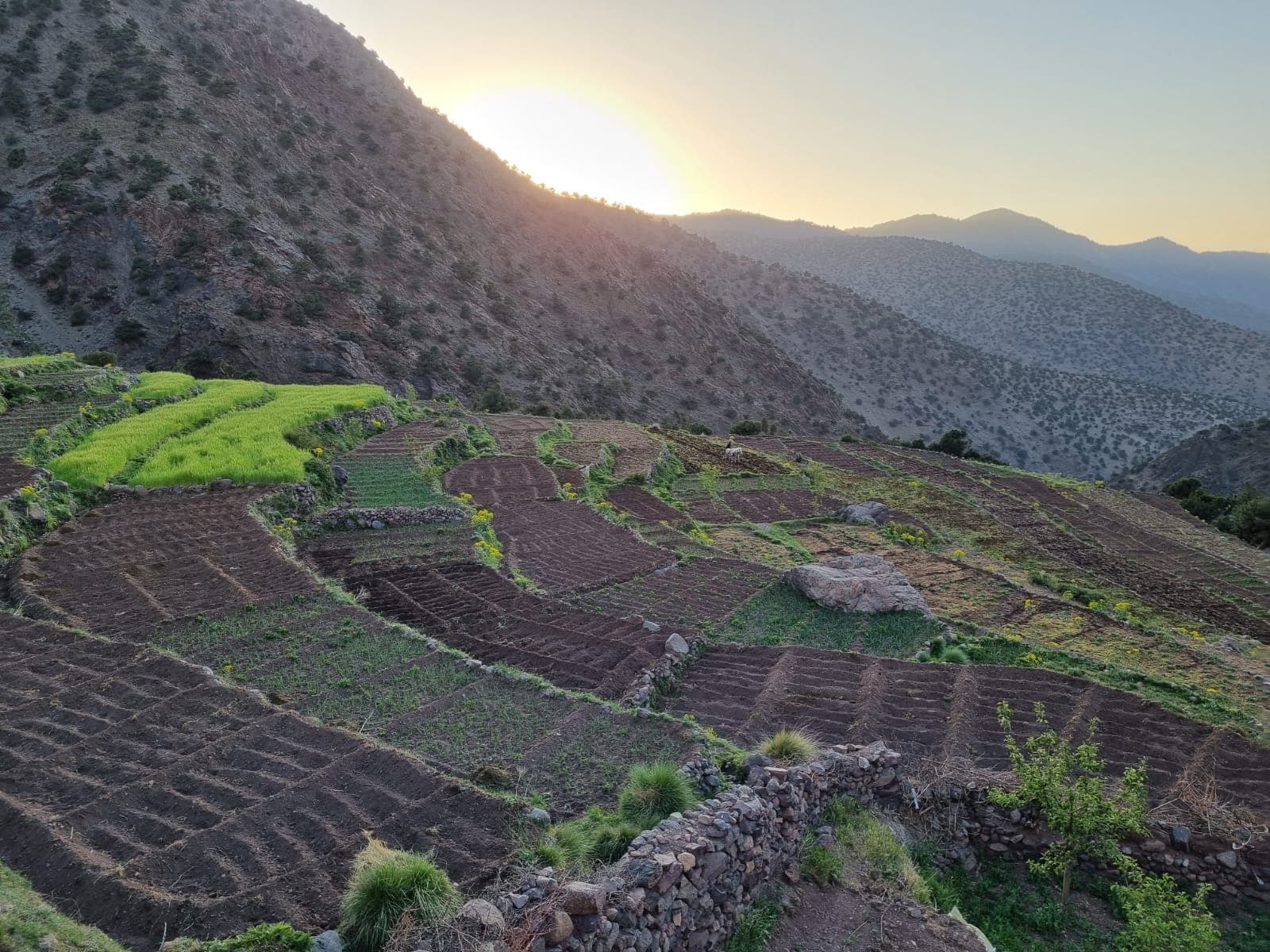
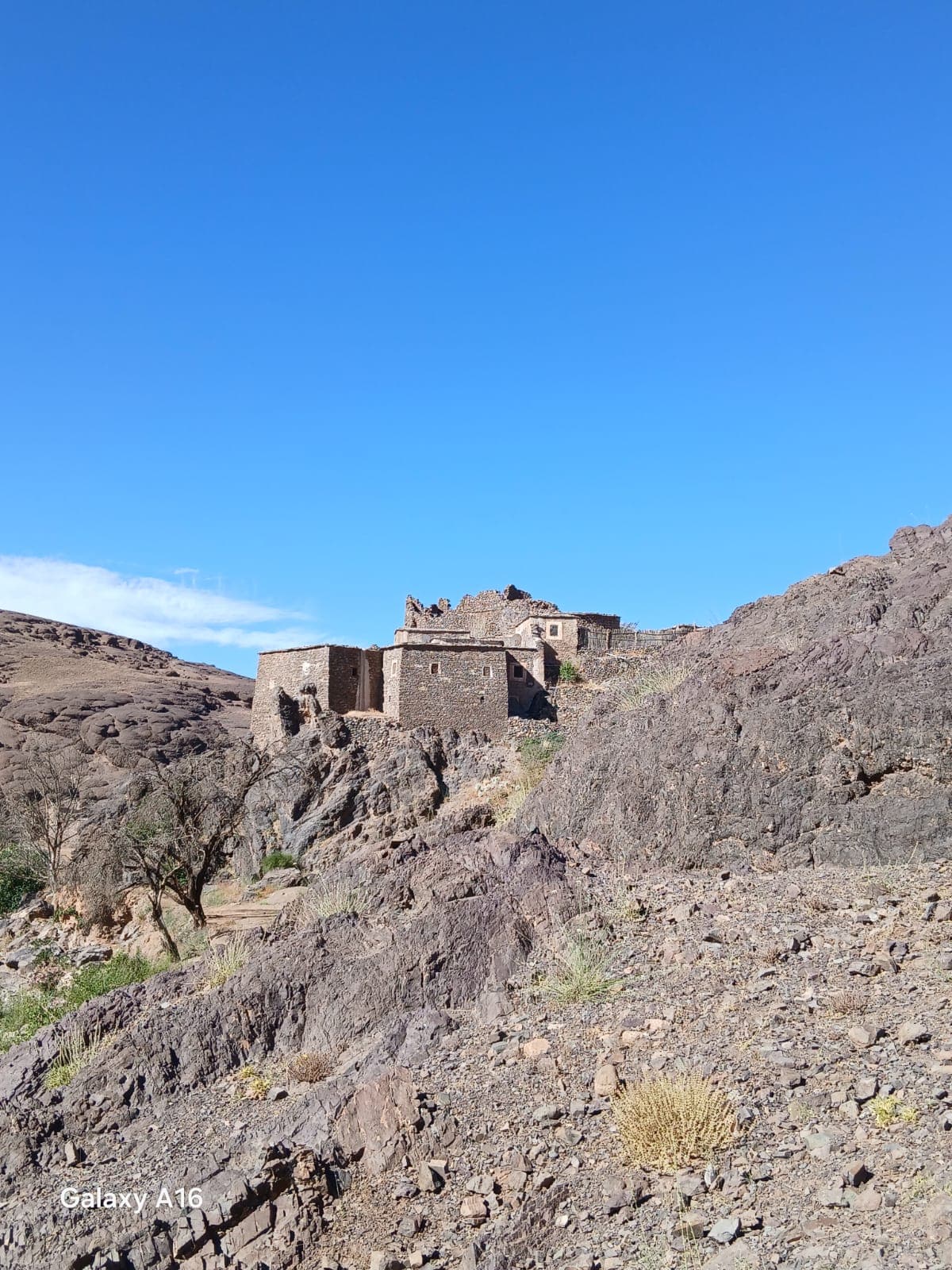
Older than the High Atlas, lower, drier and almost empty of visitors. Painted rock, almond terraces, and granite the colour of rust.

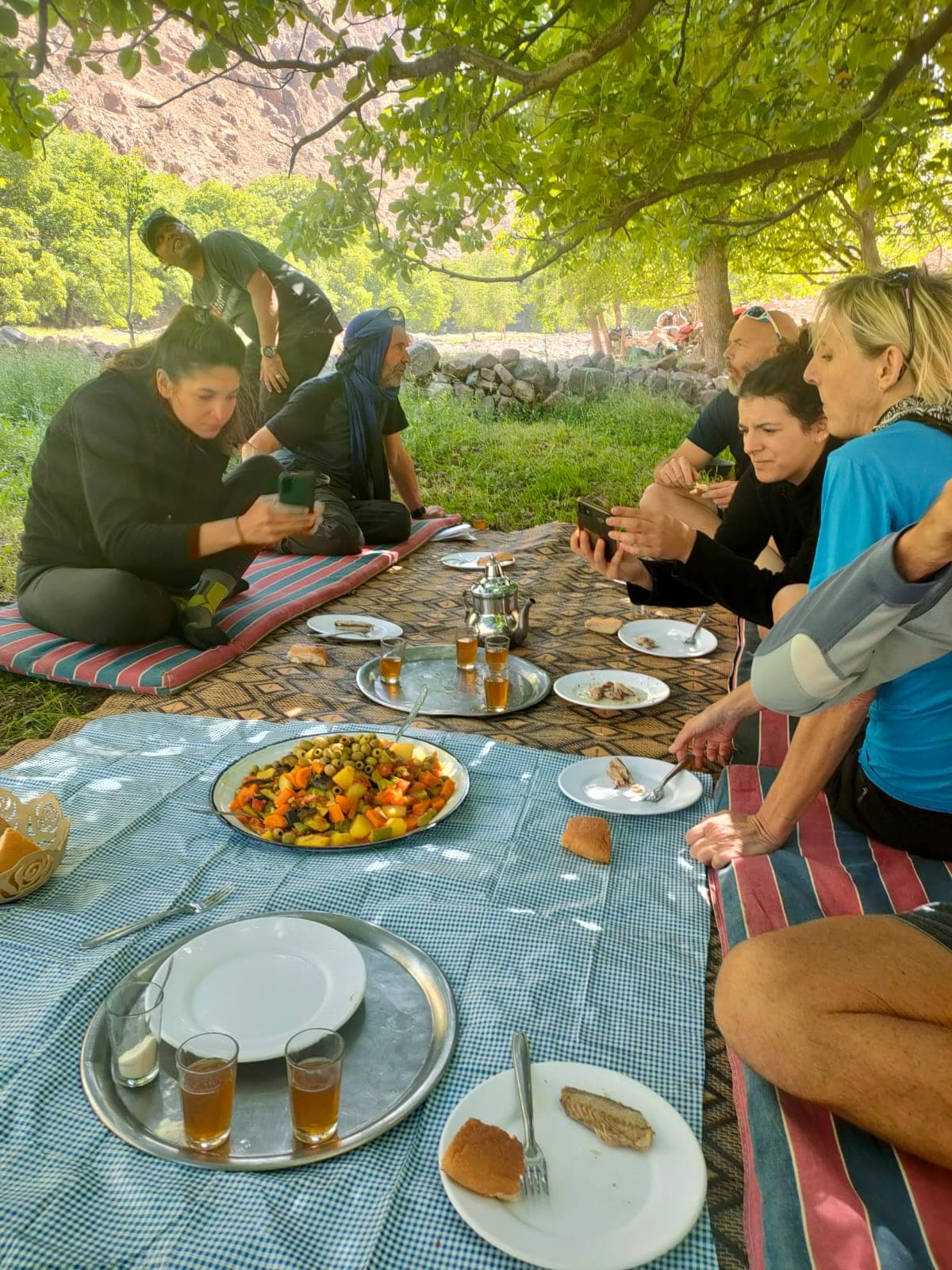
Hospitality in the Atlas is a real obligation, not a performance — which is exactly why it can be strained by visitors who do not know what is being offered.

Group trips fail on decisions, not distance. A route that suits six people with different budgets, different fitness and one person who wants to shop.

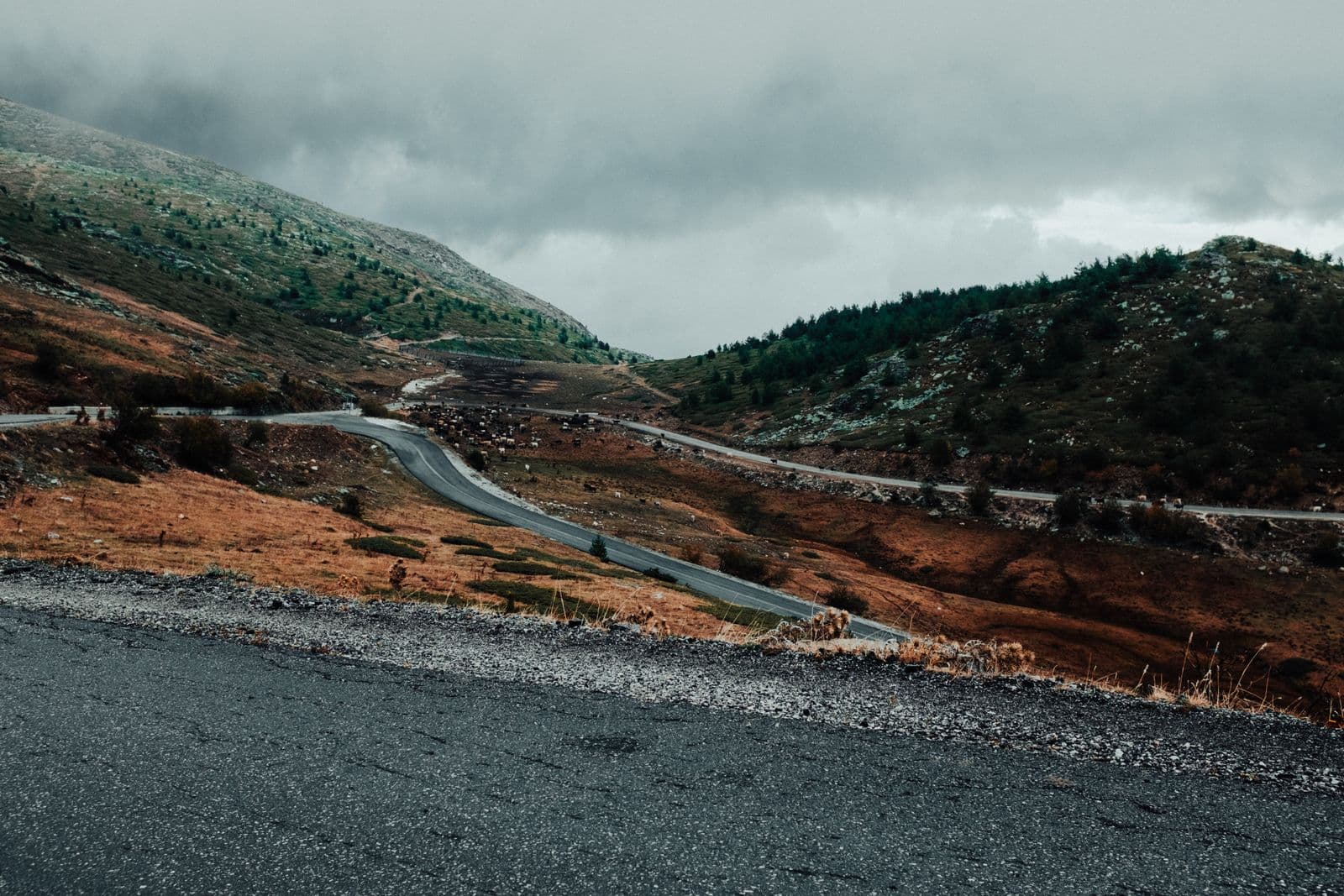
Two thousand two hundred and sixty metres, a hundred and eighty kilometres of switchbacks, and the moment the country changes completely.

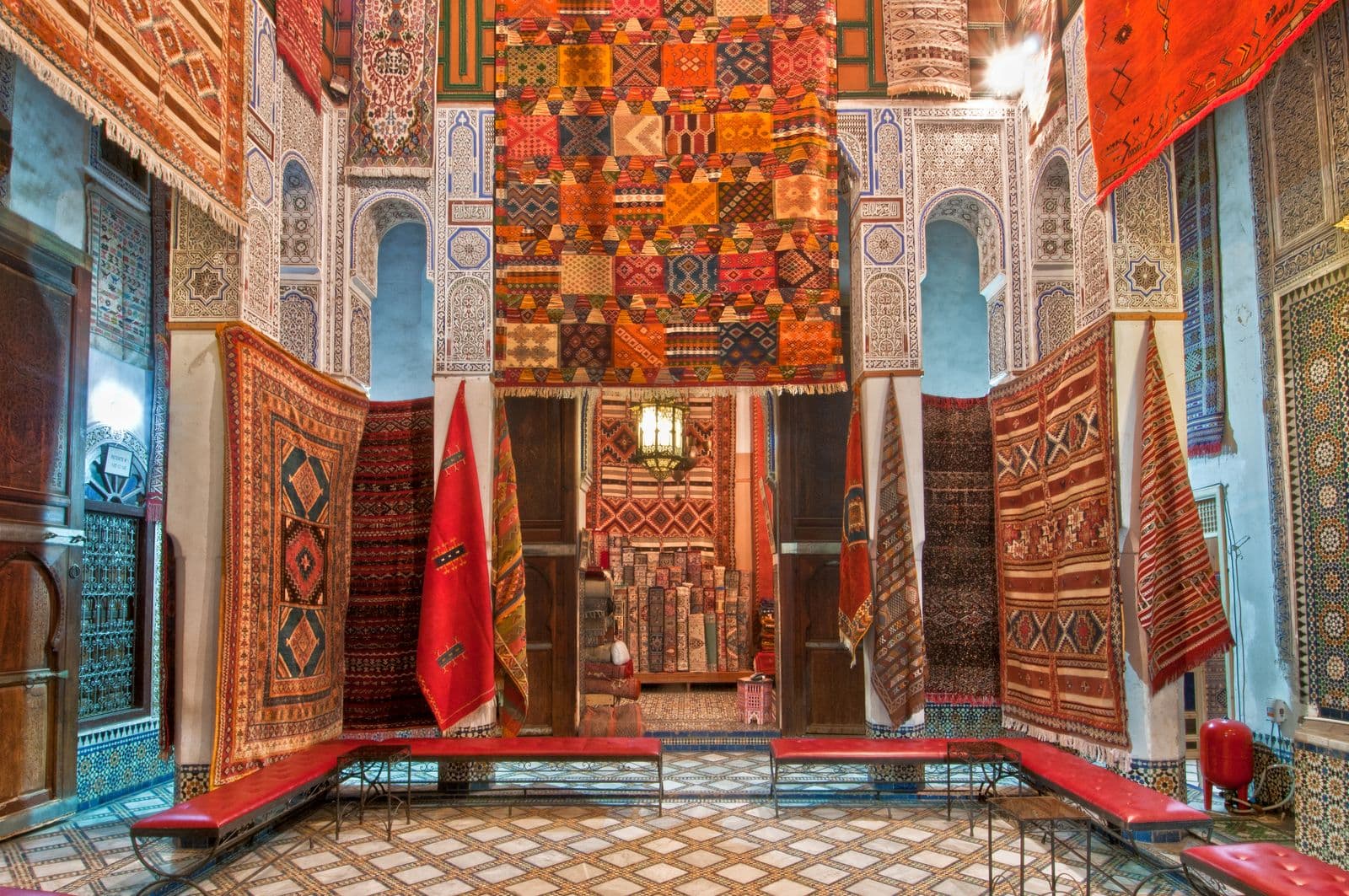
Amazigh women encoded a written language into wool for centuries — zigzag for water, diamond for protection, and a vocabulary most buyers never notice.